

As we all know, the most basic type of visual inspection is using the human eye to examine tools, goods, and materials. As it works well for identifying surface-level flaws, it is being utilised today in the industrial, energy, and medical sectors.
In these fields, special inspectors were trained to spot flaws in the pre-digital period, sometimes with the unaided eye and other times using the most basic instruments, such as lamps and magnifying glasses. However, with the digital transformation in the world, visual inspection has advanced to a new level with the development of drones and portable, high-quality cameras.
In order to do computer-backed visual inspections, businesses now gather digital photos and videos of industrial goods, machinery, and other elements of physical processes. Video footage and imaging inspections can be conducted in real time from a remote location, or they can be evaluated after the camera that collected the imagery has been recovered.
In this article, we reveal how to implement computer vision inspection for industrial equipment.
What is Visual Inspection?
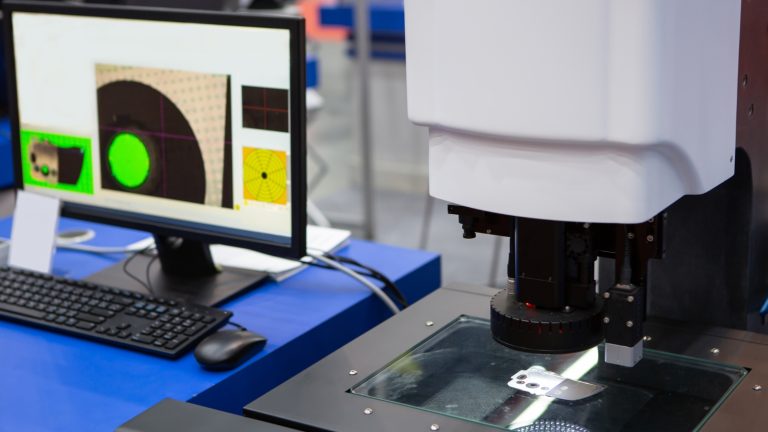
Visual inspection is a method for identifying flaws with the unaided eye to confirm that machinery is operating correctly or that manufactured goods are being produced in accordance with specifications. Visual inspections carried out in person or virtually utilising digital photos can fall under this category.
One type of non-destructive testing (NDT) is visual examination. Inspectors can evaluate a system or component using non-destructive methods without making any lasting changes. NDT comprises inspection methods like emissions, radiography, X-ray and infrared, and ultrasonic testing in addition to visual inspections.
Organisations may perform inspections more quickly, precisely, and economically in a variety of settings with this technology, also known as intelligent visual inspections.
Businesses may preserve worker safety without compromising the advantages of visual inspection by using machines to perform visual testing, which keeps people out of dangerous regions and cramped spaces like storage tanks.
Key Takeaways
- Computer vision enables real-time industrial equipment inspection by automatically identifying visible defects, irregularities, and potential equipment issues.
- AI-powered image analysis can improve inspection accuracy, reduce manual effort, and help detect problems earlier.
- Integrating computer vision into industrial operations supports proactive maintenance, improved product quality, and greater operational efficiency.
Key Methods of Computer Visual Inspection
Organisations can apply a variety of techniques to conduct visual inspections when a procedure has been created, such as:
Full Manual Sampling
A person qualified to spot flaws manually inspects every product. This can be physically taxing work with repetitive tasks; thus, safety regulations, ergonomic gear, and the right tools should be used.
Random Sampling
Randomly chosen goods or tangible assets are subjected to quality inspections. Products are frequently inspected for glaring visual flaws along the production line.
Remote Visual Inspection (RVI)
Organisations can safely monitor equipment from a distance by using drones, edge technology, and remote cameras. This inspection method can be carried out in real time, or it can be carried out by downloading the photographs and analysing them later at remote locations where connectivity might be a problem.
Automated Visual Inspection
Real-time product inspection is done via cameras, image processing techniques, and machine learning algorithms.
Automated visual inspections are usually carried out on-site in a single location, in contrast to RVI, when crews transport inspection equipment into the field.
What are the Main Benefits of Computer Visual Inspection?
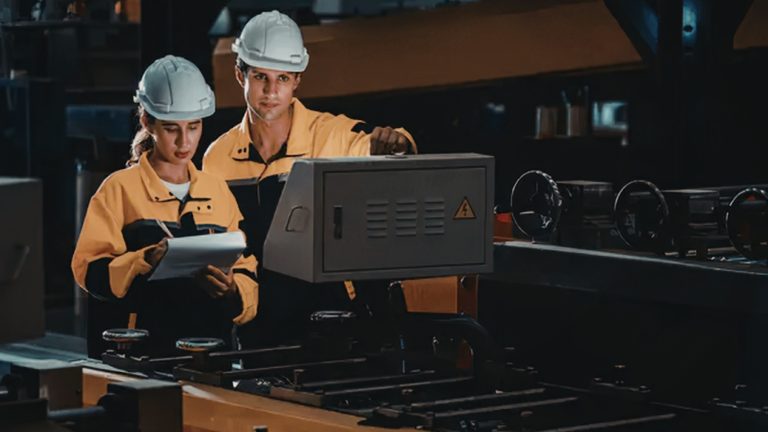
For many years, quality and safety have been guaranteed by visual examination. Furthermore, computer-aided visual inspection provides the following advantages:
Improved Safety: The latter makes it possible for businesses to conduct visual inspections more safely than before by assisting them in locating potentially dangerous flaws in settings.
Accurate Object Detection: By creating boundaries around items in an image or video, this method locates and identifies them so that they can be examined in greater detail within their environment.
Cost Savings: Businesses can save the cost of discarding faulty goods or find assets that require quicker repair by spotting flaws as soon as possible.
Remote Monitoring: Similar to remote visual inspection, remote monitoring uses either human or AI-powered technology to examine and examine an object through an image or video.
Quality Optimisation: Visual inspections are a rapid, low-cost, and non-intensive method of evaluating quality. Organisations can further optimise the inspection process by cutting down on hands-on time when implementing automated visual inspections.
Image Recognition: This makes it possible for computers to deduce context and meaning from an image, including the identification of people, places, objects, and handwriting.
Heightened Speed: When employing automated visual inspection, the inspections can take place at any time of day or night and are completed more quickly than when using human labour.
Predictive Asset Management: Businesses can use data from machines and assets to determine an asset’s overall lifecycle health and then use this information to forecast when a failure can happen.
Boosted Fact Accuracy: Automated visual inspections have the potential to be more accurate than human inspections due to their ability to detect minute flaws that are easily overlooked or undetectable.
Worker Safety Alerts: The systems can notify employees of possible danger when they detect an unsafe scenario in a confined space or other controlled environment.
How Tigernix Asset Predictive Analytics Uses AI for Real-Time Equipment Inspection
It is time to enhance industrial equipment inspection with the Tigernix Asset Predictive Analytics System, which employs AI-powered computer vision and Industry 4.0 technologies. Your organisation can analyse real-time images and video feeds to detect defects, identify anomalies, and monitor equipment conditions accurately.
Our software solution’s integrated analytics and automated alerts help you accelerate inspections, reduce human error, prevent unexpected failures, minimise downtime, and optimise maintenance planning for safer, smarter, and more efficient enterprise operations.
Call for a free demo.
Tigernix-Your Enterprise Asset Is Our Priority
FAQs About Implementing Computer Vision for Industrial Equipment
Computer vision inspection employs a combination of cameras and AI algorithms to monitor conditions, find anomalies, find equipment flaws, and increase the precision and effectiveness of industrial inspections.
Computer vision enables quicker and more reliable examinations by instantly analysing photos and videos to find wear, corrosion, cracks, and other flaws.
Computer vision inspection lessens the workload associated with manual inspections, boosts worker safety, minimises equipment downtime, improves problem identification, and supports more dependable maintenance decisions.
AI models assess visual data from cameras and sensors to identify flaws, spot odd equipment states, monitor deterioration, and assist with predictive maintenance plans.