

At work, a factory manager receives an alert that a machine component will fail in two days, allowing maintenance to happen before production stops. Across a bustling city, traffic signals adjust automatically based on congestion, helping thousands of commuters reach their destinations faster. These scenarios are no longer futuristic concepts. They are everyday examples of the Internet of Things (IoT) transforming how people live, work, and interact with technology.
The journey of IoT has been remarkable. What began as a simple idea of connecting devices to the internet has evolved into an intelligent ecosystem where billions of devices continuously collect, exchange, and analyse data.
Today, IoT powers industries, improves healthcare, enhances transportation, modernises agriculture, and creates smarter homes and cities. As artificial intelligence, edge computing, and next-generation connectivity continue to advance, IoT is entering an entirely new era of automation and intelligence.
Understanding IoT requires looking beyond today’s connected devices. Its history reveals decades of technological innovation, while its present demonstrates enormous business value. More importantly, its future promises a world where intelligent systems make faster, smarter, and more autonomous decisions than ever before.
This article explores IoT yesterday, today, and tomorrow, examining how the technology has evolved and why it continues to shape the future of digital transformation.
We reveal
- What Is the Internet of Things (IoT)?
- The Early Days of IoT: Yesterday’s Connected Vision
- IoT Today: Transforming Industries and Everyday Life
- The Challenges That Continue to Shape IoT Adoption
- Tomorrow’s IoT: What the Future Holds
- How Businesses Can Prepare for the Next Generation of IoT
- FAQs About IoT
What Is the Internet of Things (IoT)?
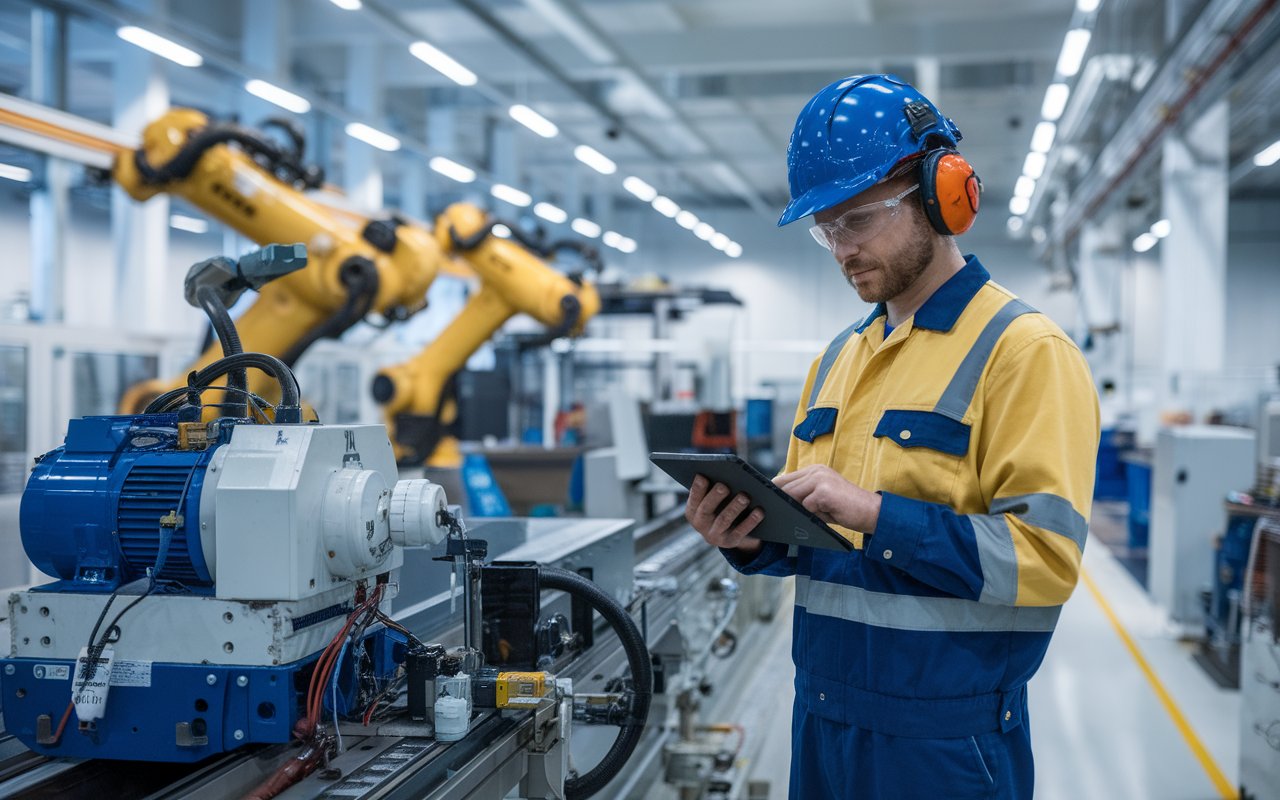
The Internet of Things (IoT) refers to a network of physical devices embedded with sensors, software, processors, and communication technologies that enable them to collect, exchange, and analyse data through the internet or other communication networks.
These connected devices range from wearable fitness trackers and household appliances to industrial machinery, autonomous vehicles, medical equipment, and smart city infrastructure. Instead of operating independently, IoT devices continuously communicate with each other and with central platforms, enabling automated monitoring, real-time decision-making, and predictive analytics.
Unlike traditional systems that require human intervention for every task, IoT creates intelligent environments where devices respond automatically to changing conditions. A temperature sensor may activate a cooling system when heat levels rise, while a manufacturing machine can notify engineers before equipment failure occurs.
These capabilities improve operational efficiency, reduce downtime, lower costs, and enhance customer experiences across virtually every industry.
As cloud computing, artificial intelligence, and high-speed connectivity continue to mature, IoT has become one of the most important foundations of modern digital transformation.
Key Takeaways
- IoT has evolved from simple connected devices into intelligent, AI-driven ecosystems.
- Modern IoT enables real-time automation, predictive analytics, and smarter decision-making.
- Security, interoperability, and scalability remain essential for successful IoT adoption.
- The future of IoT will be powered by AI, edge computing, digital twins, and advanced connectivity.
The Early Days of IoT: Yesterday's Connected Vision
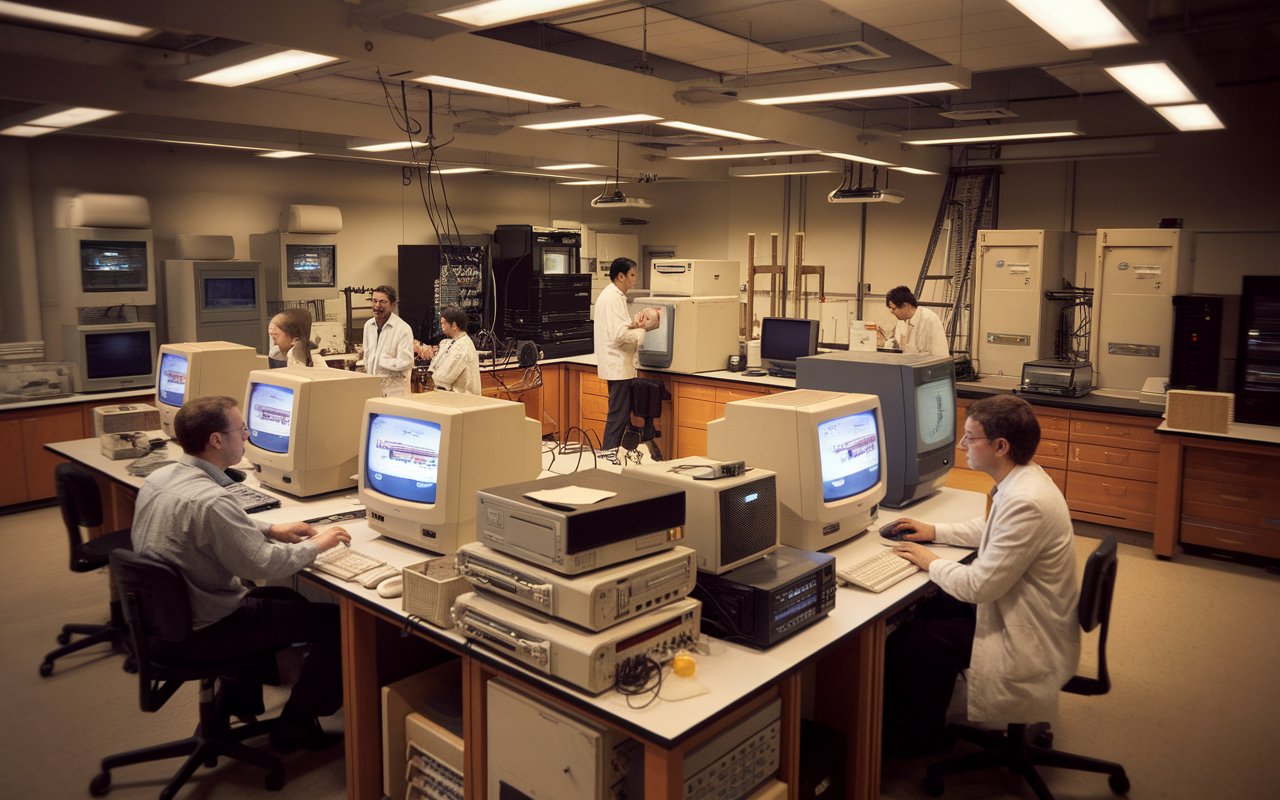
The history of IoT began with early connected devices and foundational technologies that transformed the idea of machine-to-machine communication into today’s intelligent digital ecosystems.
How the Concept of IoT Began
Long before smart homes and wearable devices became common, researchers envisioned a world where machines could communicate without constant human input.
During the 1980s and early 1990s, computers were becoming more powerful, but connectivity remained limited. One often-cited milestone involved a modified vending machine at Carnegie Mellon University that could report whether drinks were available and properly chilled before someone walked to the machine.
Although simple by today’s standards, this experiment demonstrated how connected devices could share useful information remotely.
The term ‘Internet of Things’ was later popularised in 1999 by Kevin Ashton while working on supply chain innovation using radio-frequency identification (RFID). His vision extended beyond connecting computers.
He imagined physical objects equipped with sensors that could automatically collect and transmit information without relying on manual data entry. At the time, the necessary infrastructure was still developing, and internet access was relatively slow and expensive.
Nevertheless, the concept sparked growing interest among technology companies, researchers, and manufacturers. It laid the intellectual foundation for a future where everyday objects would become active participants in the digital world rather than passive tools operated solely by humans.
The Technologies That Made Early IoT Possible
The early growth of IoT depended on several technological breakthroughs working together rather than a single revolutionary invention. Sensors became smaller, cheaper, and more reliable, allowing physical objects to measure temperature, pressure, humidity, movement, and countless other environmental conditions.
RFID technology made it possible to identify and track products throughout supply chains without requiring direct visual inspection. Wireless communication standards such as Wi-Fi and Bluetooth expanded connectivity, while mobile networks gradually enabled remote communication over greater distances.
Equally important was the emergence of cloud computing, which provided scalable storage and processing capabilities for the enormous amounts of data generated by connected devices.
Before cloud platforms became widely available, organisations struggled to store and analyse sensor data efficiently. Improvements in microprocessors also reduced power consumption while increasing computing performance, allowing devices to operate continuously in demanding environments.
Together, these innovations transformed IoT from an ambitious theoretical concept into a practical technology capable of supporting commercial applications across manufacturing, logistics, healthcare, transportation, and energy management.
Although early deployments were relatively limited compared to today’s standards, they established the technological building blocks that continue to support modern IoT ecosystems.
IoT Today: Transforming Industries and Everyday Life
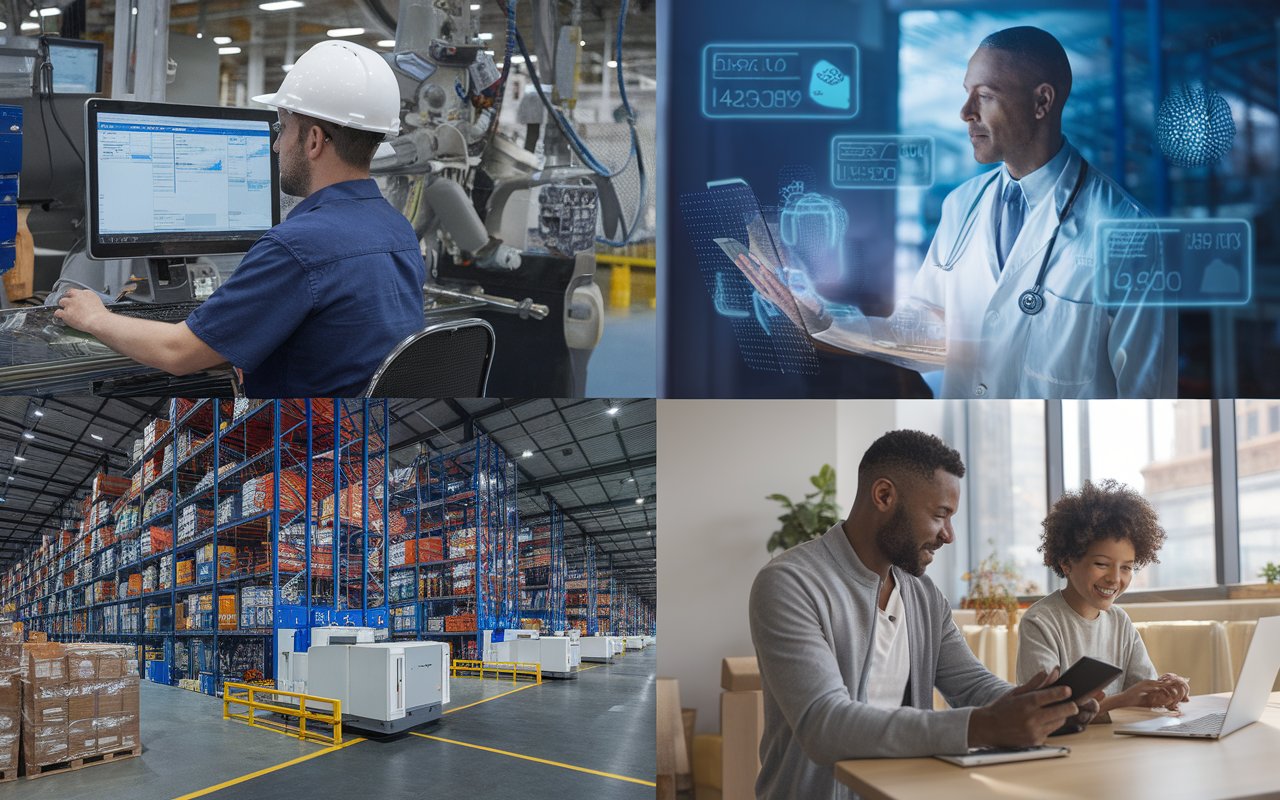
Today, IoT enables real-time connectivity, automation, and data-driven insights that are revolutionising businesses, smart cities, healthcare, transportation, and everyday consumer experiences.
How Businesses Are Using IoT Today
Walk through a modern manufacturing plant today, and the difference from factories twenty years ago is immediately noticeable.
Machines no longer operate in isolation.
Every conveyor belt, robotic arm, compressor, and production line continuously generates data that engineers monitor from central dashboards. When vibration levels increase beyond normal thresholds or temperatures begin to rise unexpectedly, maintenance teams receive alerts long before equipment fails.
Instead of reacting to breakdowns, businesses can predict them, dramatically reducing costly downtime and extending the lifespan of critical assets.
This transformation extends well beyond manufacturing. Healthcare providers use IoT-enabled medical devices to monitor patients remotely, allowing clinicians to identify health concerns before they become emergencies.
Logistics companies track shipments in real time, ensuring sensitive products such as pharmaceuticals and fresh food remain within safe environmental conditions throughout transportation. Agriculture has also embraced IoT through precision farming, where connected sensors monitor soil moisture, weather conditions, and crop health to optimise irrigation and fertiliser use.
In commercial buildings, intelligent energy management systems automatically regulate lighting, heating, ventilation, and air conditioning based on occupancy patterns, significantly reducing energy consumption.
Financial institutions, retailers, airports, utilities, and smart city authorities are equally embracing IoT to improve operational visibility and customer experiences. Retail stores analyse customer movement to optimise product placement, while utility providers monitor electricity, water, and gas networks to detect leaks and equipment failures before service disruptions occur.
Every connected sensor contributes valuable operational intelligence that enables organisations to make faster, more informed decisions.
Rather than simply collecting information, today’s IoT platforms combine real-time monitoring with analytics, automation, and artificial intelligence to create systems that continuously improve themselves.
How Consumers Experience IoT Every Day
For many people, IoT has quietly become part of everyday life without them even recognising it.
A homeowner asks a smart speaker to switch off the lights before bed, while a smartwatch monitors heart rate, sleep quality, and daily activity. Refrigerators notify owners when groceries are running low, robotic vacuum cleaners map entire homes for efficient cleaning, and connected security cameras send instant alerts whenever unusual movement is detected. These conveniences represent just a fraction of the consumer IoT ecosystem that continues to expand each year.
The automobile industry offers another compelling example of IoT’s growing influence.
Modern vehicles are equipped with hundreds of sensors that monitor engine performance, tyre pressure, fuel efficiency, braking systems, and driver behaviour. Many vehicles automatically contact emergency services after serious accidents or notify owners when maintenance is required.
Navigation systems analyse live traffic data to recommend faster routes, while connected charging infrastructure supports the growing adoption of electric vehicles. Consumers increasingly expect these intelligent capabilities because they improve safety, convenience, and overall user experience.
Behind these seemingly effortless interactions lies an enormous digital infrastructure. Billions of connected devices continuously exchange information through cloud platforms, mobile networks, and increasingly powerful edge computing systems. Artificial intelligence analyses these massive datasets to recognise patterns, personalise services, and automate routine decisions.
As a result, IoT has evolved beyond simple connectivity into an intelligent ecosystem that anticipates user needs rather than merely responding to commands.
The technology has become so deeply integrated into daily routines that many consumers interact with IoT dozens of times each day without consciously thinking about it.
The Challenges That Continue to Shape IoT Adoption
Despite its rapid growth, IoT adoption continues to face challenges related to cybersecurity, data privacy, interoperability, connectivity, and the scalability of connected ecosystems.
Security, Privacy, and Data Governance
Despite its enormous potential, IoT introduces significant challenges that organisations cannot afford to ignore. Every connected device represents a possible entry point for cybercriminals if proper security measures are not implemented.
As billions of sensors, controllers, cameras, and industrial devices communicate across networks, the number of potential vulnerabilities increases dramatically.
A single compromised device can sometimes provide attackers with access to larger enterprise systems, creating risks that extend far beyond one isolated endpoint.
Privacy concerns have also become increasingly important as IoT devices collect unprecedented volumes of personal and operational data. Smart homes record daily routines, wearable devices monitor health information, connected vehicles track travel patterns, and industrial sensors generate highly valuable operational intelligence.
Organisations must therefore establish robust data governance frameworks that define how information is collected, stored, processed, shared, and protected. Compliance with evolving privacy regulations requires transparency, strong encryption, identity management, secure authentication, and continuous monitoring throughout the entire IoT ecosystem.
Businesses are responding by adopting security-by-design principles rather than treating cybersecurity as an afterthought. Device authentication, zero-trust architectures, firmware updates, network segmentation, and AI-powered threat detection have become essential components of modern IoT deployments.
As connected ecosystems continue to expand, maintaining trust will depend not only on technological innovation but also on responsible data management, ethical AI practices, and comprehensive cybersecurity strategies that evolve alongside increasingly sophisticated cyber threats.
Connectivity, Interoperability, and Scalability
As organisations expand their IoT deployments, they often discover that connecting devices is only the beginning of the journey. The greater challenge lies in ensuring thousands, or even millions, of devices can communicate seamlessly, regardless of manufacturer, operating system, or communication protocol.
A manufacturing company, for example, may operate machinery installed over several decades. Some equipment supports modern IoT standards, while older machines rely on proprietary protocols that were never designed for internet connectivity.
Integrating these diverse technologies into one intelligent ecosystem requires careful planning, middleware solutions, and standardised communication frameworks.
Connectivity also varies significantly depending on the environment. Urban areas benefit from robust fibre networks, 5G infrastructure, and widespread Wi-Fi coverage, whereas remote mining operations, offshore facilities, and agricultural farms often depend on satellite communication or low-power wide-area networks (LPWANs).
Selecting the appropriate connectivity solution directly affects data transmission speed, reliability, energy consumption, and operational costs. As IoT ecosystems continue to grow, maintaining consistent connectivity across geographically dispersed assets becomes increasingly complex.
Scalability presents another critical consideration. A pilot project involving fifty connected sensors may perform flawlessly, but expanding the same solution to hundreds of factories or millions of consumer devices introduces entirely different challenges.
Organisations must ensure their cloud infrastructure, edge computing capabilities, cybersecurity controls, and analytics platforms can accommodate exponential data growth without compromising performance.
Successful IoT implementations, therefore, require flexible architectures that support future expansion while maintaining interoperability across evolving technologies. Businesses that invest in scalable, standards-based ecosystems position themselves to adapt more effectively as new devices, communication protocols, and software platforms emerge.
Tomorrow's IoT: What the Future Holds
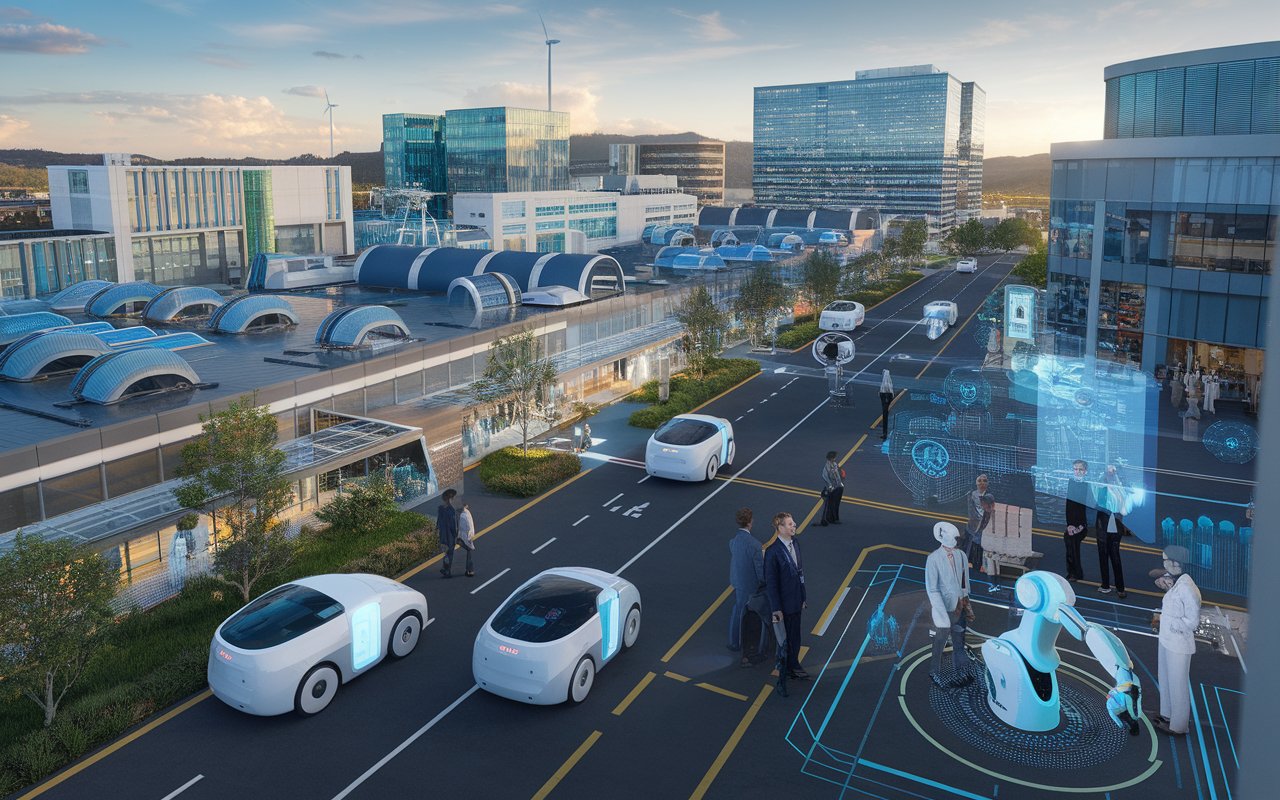
The future of IoT will be driven by artificial intelligence, edge computing, digital twins, and next-generation connectivity, enabling autonomous, intelligent, and highly connected environments.
AI-Powered Autonomous IoT Ecosystems
The next chapter of IoT will be defined not simply by more connected devices but by significantly smarter ones.
Artificial intelligence is transforming IoT from a system that reports information into one that interprets data, predicts outcomes, and initiates actions without human intervention.
Imagine an industrial production line where machines continuously monitor their own health, identify abnormal operating patterns, automatically schedule maintenance, order replacement components, and optimise production schedules, all without requiring manual oversight. This vision is rapidly becoming reality as AI and machine learning become deeply integrated into IoT platforms.
Healthcare illustrates this transformation particularly well. Future wearable devices may continuously analyse multiple health indicators, compare them against millions of historical data points, and alert healthcare professionals before symptoms become noticeable.
In transportation, autonomous vehicles will rely on interconnected IoT ecosystems that exchange real-time information about road conditions, weather, traffic flow, and pedestrian activity. Smart buildings will optimise energy consumption minute by minute, adjusting lighting, ventilation, and security systems based on occupancy, weather forecasts, and electricity pricing.
Rather than functioning as isolated connected devices, future IoT systems will collaborate as intelligent networks capable of making complex decisions independently.
Businesses will increasingly benefit from these autonomous capabilities. Supply chains will automatically reroute shipments when disruptions occur, manufacturing facilities will continuously optimise production efficiency, and utility providers will balance energy demand across smart grids in real time.
Human expertise will remain essential for strategic planning and governance, but routine operational decisions will increasingly be delegated to intelligent IoT ecosystems capable of analysing vast amounts of information far faster than any individual or team.
Digital Twins, Edge Computing, and 6G Connectivity
Three emerging technologies are expected to redefine the future of IoT: digital twins, edge computing, and next-generation wireless connectivity.
A digital twin is a virtual representation of a physical asset, process, or entire facility that continuously updates using live IoT data. Engineers can simulate equipment performance, predict failures, test maintenance strategies, and evaluate operational changes in a virtual environment before implementing them in the real world.
This significantly reduces operational risk while improving planning accuracy and asset performance.
Edge computing complements this capability by processing data closer to where it is generated rather than transmitting every piece of information to central cloud servers.
For applications requiring immediate responses, such as autonomous vehicles, robotic manufacturing, or medical monitoring systems, processing information locally reduces latency and improves reliability. Instead of waiting for cloud-based analysis, edge devices can make critical decisions within milliseconds, enabling safer and more responsive operations.
Looking further ahead, 6G connectivity promises another major leap forward. While 5G has already enabled higher bandwidth and lower latency for connected devices, future 6G networks are expected to support even greater device density, ultra-fast communication speeds, and seamless integration between terrestrial, aerial, and satellite networks.
Combined with artificial intelligence and edge computing, these advancements will enable truly intelligent cities, fully autonomous transportation systems, immersive industrial automation, and highly interconnected global supply chains.
The future of IoT will therefore be defined not only by connectivity but by the ability of intelligent systems to understand, predict, and optimise the world around them.
How Businesses Can Prepare for the Next Generation of IoT
The organisations that succeed in tomorrow’s digital economy will not necessarily be those with the largest number of connected devices but those that develop comprehensive strategies for managing connected ecosystems.
Preparing for the future begins with establishing a strong digital foundation built on secure infrastructure, scalable cloud platforms, robust cybersecurity policies, and reliable data governance practices.
Businesses should also prioritise interoperability by selecting technologies that support open standards and integrate easily with existing enterprise systems, reducing future complexity as IoT deployments expand.
Investment in artificial intelligence, advanced analytics, and workforce development will become equally important. Employees must understand how to interpret IoT-generated insights and collaborate effectively with increasingly autonomous systems.
At the same time, organisations should view IoT not as an isolated technology initiative but as a long-term business transformation strategy that supports innovation, operational excellence, customer experience, and sustainability goals. Companies that embrace continuous learning, adopt flexible architectures, and remain responsive to technological change will be better positioned to capture the full value of tomorrow’s intelligent connected world.
The Future of IoT Starts With Smarter Connected Ecosystems
The story of the Internet of Things is ultimately a story of human innovation. From early experiments involving simple connected machines to today’s intelligent ecosystems that power industries, cities, and homes, IoT has continuously reshaped the relationship between people and technology.
Each stage of its evolution has built upon advances in connectivity, computing, data analytics, and automation, creating opportunities that previous generations could scarcely imagine.
Today, IoT is far more than a collection of connected devices. It serves as the digital nervous system of modern organisations, providing real-time visibility, predictive intelligence, and automated decision-making across virtually every sector of the global economy.
Looking ahead, the integration of artificial intelligence, digital twins, edge computing, and future communication networks will transform IoT into an even more autonomous and intelligent ecosystem capable of solving increasingly complex challenges.
Businesses, governments, and individuals now stand at the beginning of this next chapter. As technology continues to advance, one thing remains certain: the journey of IoT is far from over, and its greatest innovations are still ahead.
FAQs About IoT
Edge computing processes IoT data closer to connected devices instead of relying solely on cloud servers, reducing latency, conserving bandwidth, improving response times, and enabling real-time decision-making for mission-critical industrial and autonomous applications.
Interoperability enables IoT devices from different manufacturers and platforms to communicate seamlessly using standard protocols, ensuring scalable integration, efficient data exchange, simplified management, and reduced implementation complexity across enterprise ecosystems.
Artificial intelligence enhances IoT by analysing real-time sensor data, identifying patterns, predicting equipment failures, automating operational decisions, and continuously optimising system performance through machine learning and advanced predictive analytics.
Digital twins create real-time virtual models of physical assets using IoT data, enabling simulation, predictive maintenance, operational optimisation, risk assessment, and informed decision-making before implementing changes in real-world environments.
The biggest IoT cybersecurity risks include insecure devices, weak authentication, outdated firmware, unsecured communication protocols, and poor access controls, making continuous monitoring, encryption, zero-trust security, and regular updates essential for protection.