

You may remember that a decade ago, many companies viewed enterprise resource planning systems as complex, expensive tools reserved for large corporations with substantial IT budgets. Today, that perception has changed dramatically. We see that businesses of every size are embracing cloud-based technologies to streamline operations, improve decision-making, and remain competitive in increasingly digital markets. Among these technologies, Cloud ERP has emerged as one of the most transformative investments organisations can make.
In this era, cloud ERP has become more than just a technology upgrade. It serves as a strategic foundation that helps organisations manage finance, procurement, inventory, supply chains, human resources, customer relationships, and business performance through a unified digital ecosystem. As businesses seek scalability, resilience, and efficiency, Cloud ERP adoption continues to accelerate across industries worldwide.
This article explores the top 10 reasons companies turn to Cloud ERP and how cloud-based enterprise systems help organisations navigate modern business challenges while driving sustainable growth.
We will reveal
- What Is Cloud ERP?
- Why Cloud ERP Is Transforming Modern Businesses
- Top 10 Reasons Companies Turn to Cloud ERP
- Key Considerations Before Adopting Cloud ERP
- FAQs About Cloud ERP
Understanding Why Cloud ERP Has Become a Business Priority
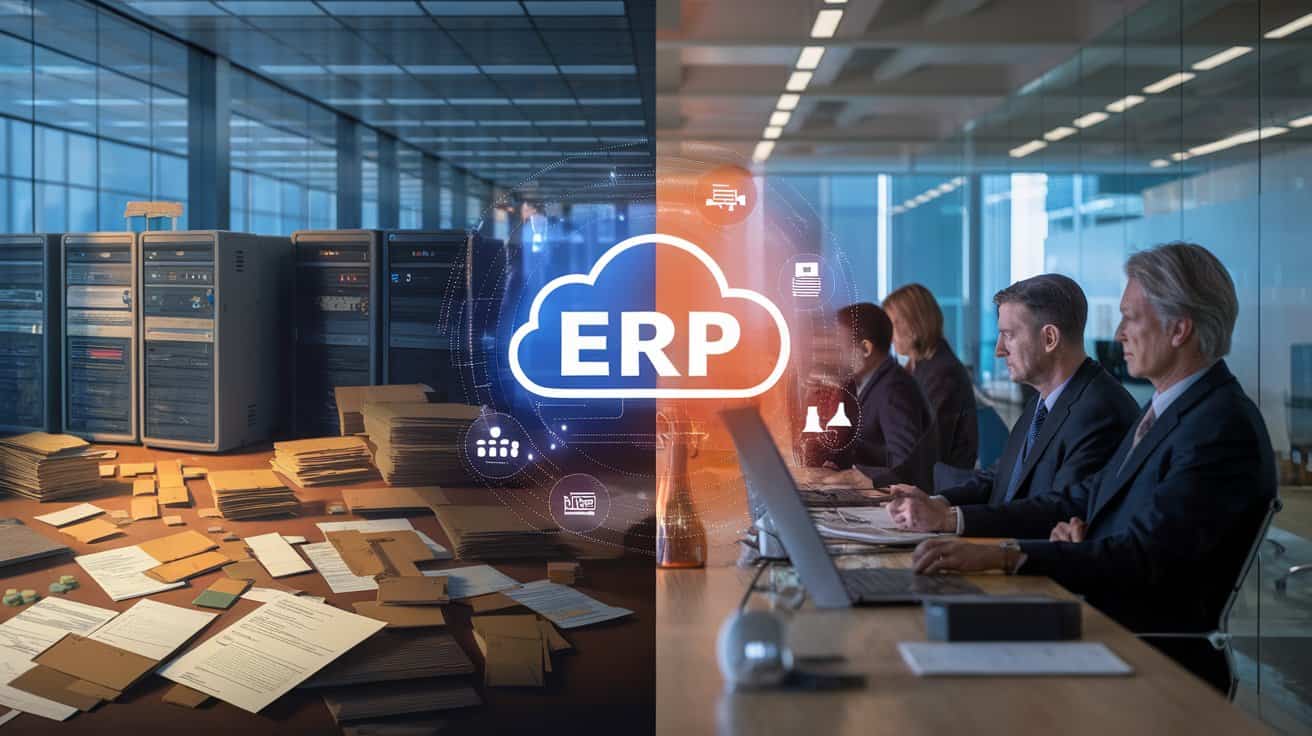
Digital transformation is no longer a future initiative; it is a present-day necessity. Do you agree?
This is actually the main reason why organisations face increasing pressure to improve productivity, reduce operational costs, and respond quickly to changing customer demands. Traditional on-premises systems often struggle to keep pace with these requirements due to infrastructure limitations, maintenance costs, and scalability challenges.
Cloud ERP addresses these concerns by delivering enterprise-grade capabilities through internet-based platforms.
Rather than maintaining expensive servers and software installations, businesses access centralised applications hosted and managed by cloud providers. This approach allows organisations to focus more on strategic growth and less on technology maintenance.
As industries become increasingly data-driven, Cloud ERP serves as a central hub where information flows seamlessly between departments. The result is greater transparency, stronger collaboration, and more informed decision-making throughout the organisation.
Key Takeaways
- Cloud ERP centralises business data to improve visibility and decision-making.
- Organisations adopt Cloud ERP to increase scalability and operational flexibility.
- Automated processes help reduce costs, errors, and administrative workloads.
- Cloud ERP supports digital transformation by enabling real-time collaboration and innovation.
Top 10 Reasons Companies Turn to Cloud ERP
Companies turn to Cloud ERP to reduce costs, improve scalability, enhance real-time visibility, strengthen collaboration, automate business processes, and support digital transformation through a flexible, cloud-based enterprise management platform.
1.Reduced Infrastructure and IT Costs
One of the most compelling reasons organisations adopt Cloud ERP is the opportunity to reduce infrastructure expenses.
We know that traditional ERP systems often require significant investments in hardware, servers, storage devices, networking equipment, and ongoing maintenance. These costs can quickly escalate as businesses grow and operational demands increase.
However, cloud ERP eliminates many of these capital expenditures by shifting technology resources to a subscription-based model.
Instead of purchasing and maintaining physical infrastructure, companies pay predictable monthly or annual fees based on their requirements. This financial flexibility allows organisations to allocate resources toward innovation, customer experience, and business development initiatives.
Consider a growing distribution company that previously maintained multiple servers across several locations. Frequent hardware upgrades, maintenance contracts, and IT support expenses created substantial operational costs.
After migrating to Cloud ERP, the company significantly reduced infrastructure expenditures while improving system performance and reliability.
2. Faster Implementation and Deployment
Have you noticed that traditional ERP implementations often involve lengthy deployment cycles that can span months or even years?
Organisations must procure hardware, configure infrastructure, install software, and conduct extensive testing before the system becomes operational.
Cloud ERP significantly accelerates this process.
Since the infrastructure already exists within the cloud environment, businesses can focus on configuration, data migration, and user training rather than hardware installation. This streamlined approach enables organisations to realise value more quickly and minimise disruption during implementation.
A mid-sized manufacturing company facing rapid growth may need an enterprise system immediately to support expanding operations. Cloud ERP allows the organisation to deploy essential capabilities within a shorter timeframe. It enables teams to improve productivity and operational visibility without enduring prolonged implementation delays.
3. Improved Accessibility and Remote Work Capabilities
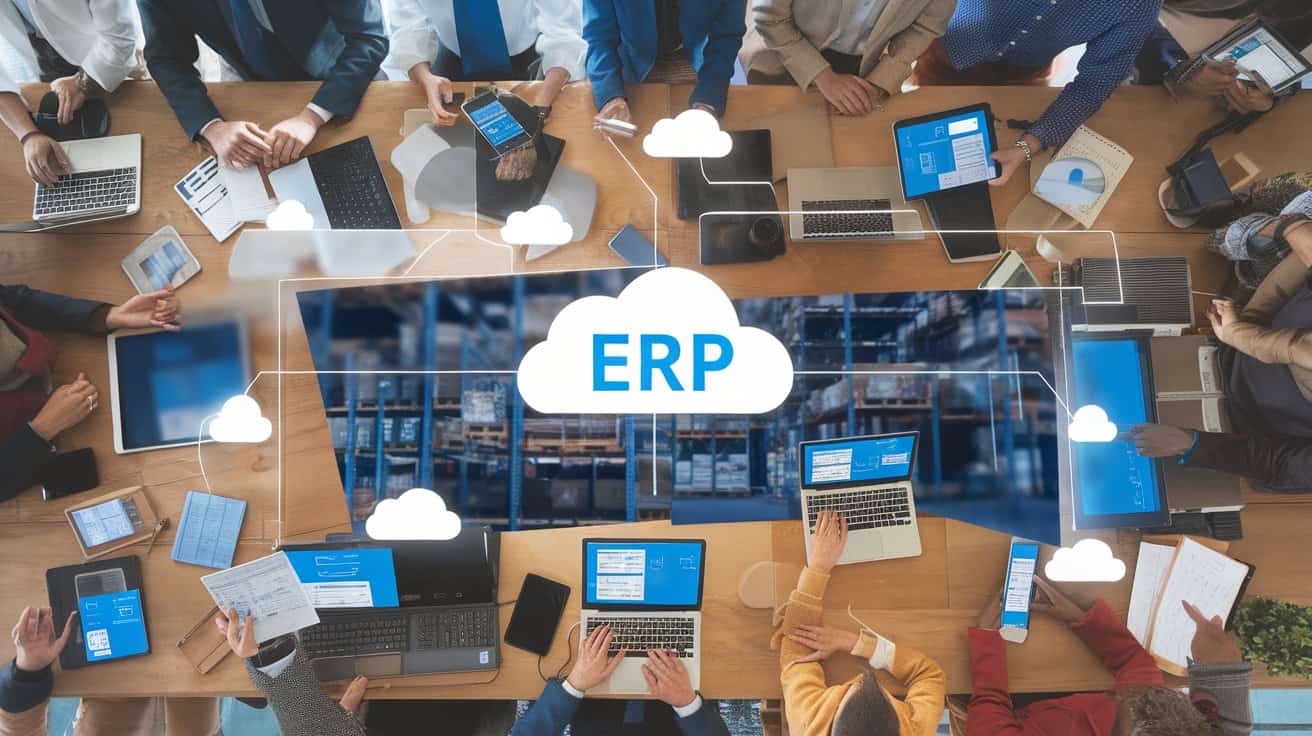
Modern workforces increasingly operate across multiple locations, time zones, and devices. Employees require secure access to critical business information, whether they are working from headquarters, branch offices, customer sites, or home environments.
Cloud ERP supports this flexibility by providing authorised users with secure access through internet-connected devices.
Employees can review reports, approve transactions, monitor inventory levels, and collaborate with colleagues regardless of their physical location.
The importance of remote accessibility became particularly evident when organisations worldwide faced unprecedented disruptions. Companies with Cloud ERP systems were often better positioned to maintain business continuity because employees could continue accessing essential applications and information without being tied to office-based infrastructure.
4. Real-Time Data and Business Visibility
Business leaders rely on accurate and timely information to make effective decisions. However, organisations operating with disconnected systems frequently encounter reporting delays, inconsistent data, and limited visibility across departments.
This is where cloud ERP centralises information on a unified platform, with data updated in real time. Executives, managers, and employees gain immediate access to current business metrics, operational performance indicators, and financial information.
Imagine a retail company preparing for a seasonal sales surge. With real-time visibility into inventory levels, purchasing activities, and customer demand patterns, management can make proactive decisions that prevent stock shortages and optimise supply chain performance.
This level of insight helps organisations respond more effectively to market conditions and emerging opportunities.
5. Enhanced Scalability for Business Growth
Business growth often creates operational complexity. As organisations expand into new markets, launch additional product lines, or increase transaction volumes, their technology infrastructure must evolve accordingly.
Cloud ERP offers exceptional scalability because resources can be adjusted based on changing business requirements. Companies can add users, increase storage capacity, and enable new functionalities without investing in additional hardware or extensive system modifications.
For example, a fast-growing e-commerce company experiencing rapid customer acquisition may see transaction volumes double within a short period. Cloud ERP can accommodate this growth without requiring major infrastructure investments, ensuring that operational performance remains consistent as the business expands.
6. Stronger Data Security and Compliance
Data security remains a top concern for organisations handling sensitive financial, operational, and customer information. Many businesses initially hesitated to move critical systems to the cloud due to security concerns.
However, modern Cloud ERP providers often offer security measures that exceed what many organisations can implement on their own.
Cloud ERP platforms typically include advanced encryption, multi-factor authentication, continuous monitoring, automated backups, and robust disaster recovery capabilities. Providers also invest heavily in maintaining compliance with industry regulations and security standards.
A healthcare supplier, for instance, may require stringent controls to protect confidential information and maintain regulatory compliance. Cloud ERP helps strengthen security governance while reducing the burden associated with managing complex security infrastructure internally.
7. Automatic Updates and Continuous Innovation
Technology evolves rapidly, and organisations must continuously adapt to remain competitive. Traditional ERP systems often require costly upgrades that consume significant time, resources, and planning efforts.
Cloud ERP simplifies this challenge through automatic updates managed by the service provider. Businesses gain access to new features, security enhancements, performance improvements, and technological innovations without having to undergo disruptive upgrade projects.
This continuous innovation model enables organisations to leverage emerging technologies such as artificial intelligence, machine learning, predictive analytics, and automation.
Rather than falling behind due to outdated systems, companies can maintain access to modern capabilities that support long-term competitiveness.
8. Better Collaboration Across Departments
Many organisations struggle with information silos that hinder communication and operational efficiency. Departments often maintain separate databases, spreadsheets, and software applications, creating inconsistencies and reducing collaboration.
Cloud ERP promotes cross-functional alignment by providing a centralised platform where departments share information and workflows. Finance teams can access procurement data, inventory managers can view sales forecasts, and executives can monitor performance metrics across the organisation.
Consider a manufacturing business in which the procurement, production, and finance teams previously operated with separate systems.
Cloud ERP creates a connected environment that improves coordination, reduces duplication of effort, and enables faster problem resolution. As a result, teams work more effectively toward common organisational objectives.
9. Increased Operational Efficiency Through Automation
Manual processes consume valuable time and introduce opportunities for human error. Tasks such as invoice processing, purchase approvals, inventory reconciliation, and financial reporting often require substantial administrative effort when handled manually.
Cloud ERP automates many of these activities through workflow management, business rules, and intelligent process automation. Employees spend less time performing repetitive tasks and more time focusing on strategic initiatives that drive business value.
A logistics company, for example, may automate shipment tracking, inventory updates, and billing processes within its Cloud ERP environment. These automated workflows improve accuracy, accelerate operations, and reduce administrative overhead, ultimately enhancing overall productivity.
10. Greater Business Agility and Competitive Advantage
The modern business environment is characterised by constant change.
Customer expectations evolve rapidly, new competitors emerge regularly, and market conditions can shift unexpectedly. Organisations must possess the agility to adapt quickly while maintaining operational excellence.
Cloud ERP supports business agility by providing flexible technology infrastructure, real-time information, and scalable capabilities. Companies can respond faster to opportunities, implement process improvements, and adjust strategies based on current market conditions.
Imagine a company entering a new international market. Cloud ERP enables rapid deployment of new business units, supports multi-currency operations, and provides visibility into global performance metrics. This adaptability helps organisations maintain a competitive advantage while pursuing growth opportunities with confidence.
How Cloud ERP Supports Long-Term Digital Transformation
Cloud ERP delivers benefits that extend beyond operational improvements. It creates a foundation for long-term digital transformation by integrating business processes, data, and technology into a cohesive ecosystem.
Organisations pursuing advanced analytics, artificial intelligence, predictive maintenance, Internet of Things integration, and intelligent automation often find that Cloud ERP serves as the central platform supporting these initiatives. By establishing a connected and scalable digital infrastructure, businesses position themselves for continuous innovation and future growth.
The transition to Cloud ERP also encourages cultural transformation. Employees become more data-driven, collaboration improves across departments, and leadership gains greater confidence in decision-making.
Over time, these changes contribute to a more agile and resilient organisation capable of navigating evolving market conditions.
Key Considerations Before Adopting Cloud ERP

Although Cloud ERP offers significant advantages, successful implementation requires careful planning. Organisations should evaluate business objectives, process requirements, integration needs, and user adoption strategies before selecting a solution.
- Assess Your Business Requirements and Objectives
Before selecting a Cloud ERP solution, organisations must clearly define their operational challenges, growth goals, and technology requirements.
Understanding existing process inefficiencies, reporting gaps, and scalability needs helps businesses identify the features and capabilities that will deliver the greatest value.
A thorough assessment ensures the chosen ERP platform aligns with long-term strategic objectives rather than simply addressing short-term operational issues.
- Evaluate Integration Capabilities
Most businesses rely on multiple software applications to manage various functions, including customer relationship management, e-commerce, payroll, and supply chain operations.
When adopting Cloud ERP, it is essential to evaluate how effectively the system integrates with existing technologies.
Seamless integration minimises data silos, improves information flow across departments, and ensures employees can work within a connected digital ecosystem without disruptions or duplicate data entry.
- Prioritise Data Security and Compliance Requirements
Data protection should remain a top priority throughout the ERP selection process. Organisations must assess the security measures offered by cloud providers, including encryption standards, access controls, backup procedures, and disaster recovery capabilities.
Additionally, businesses operating in regulated industries should ensure the ERP solution supports compliance requirements relevant to their sector.
Strong security and governance frameworks help reduce risks while protecting critical business and customer information.
- Plan for Change Management and User Adoption
Even the most advanced Cloud ERP system will struggle to deliver results if employees resist adoption. Organisations should develop comprehensive change management strategies that include stakeholder engagement, communication plans, and user training programs.
Helping employees understand the benefits of the new system encourages acceptance and accelerates adoption. A well-managed transition minimises operational disruptions and increases the likelihood of implementation success.
- Consider Vendor Expertise and Long-Term Scalability
Choosing the right ERP vendor is just as important as selecting the right technology. Businesses should evaluate a provider’s industry experience, customer support capabilities, implementation expertise, and product roadmap.
Additionally, the solution should be scalable with future business growth. Organisations that prioritise vendor reliability and scalability position themselves for long-term success while ensuring their ERP investment continues to support evolving operational requirements.
How Cloud ERP Helps Companies Achieve Sustainable Growth
There is no doubt that the rapid adoption of Cloud ERP reflects a fundamental shift in how organisations approach enterprise technology. Businesses are no longer seeking systems that merely record transactions; they require intelligent platforms that drive efficiency, collaboration, agility, and growth.
From reducing infrastructure costs and enabling remote work to enhancing security and supporting scalability, the benefits of Cloud ERP extend across every aspect of modern business operations. Organisations that embrace cloud-based enterprise systems gain access to real-time insights, streamlined processes, and continuous innovation, helping them remain competitive in an increasingly digital economy.
As technology continues to evolve and market demands become more complex, Cloud ERP will remain a critical enabler of digital transformation. Companies that invest in modern, cloud-based enterprise solutions today are positioning themselves to navigate future challenges, seize emerging opportunities, and achieve sustainable long-term success.
FAQs About Cloud ERP
Cloud ERP is hosted on remote servers and accessed through the internet, while on-premises ERP is installed locally on the company’s infrastructure. Cloud ERP offers greater scalability, automatic updates, reduced maintenance, and lower upfront capital costs.
Cloud ERP centralises data from finance, procurement, inventory, human resources, and operations into a single platform. This unified architecture eliminates information silos, improves data consistency, and enables real-time visibility across all business processes.
Cloud ERP platforms typically use data encryption, multi-factor authentication, role-based access controls, continuous monitoring, automated backups, and disaster recovery protocols. These security measures help protect sensitive business information while supporting regulatory compliance requirements.
Cloud ERP supports scalability by enabling organisations to add users, expand storage capacity, increase transaction capacity, and deploy new modules without significant infrastructure investments. This flexibility enables businesses to accommodate growth while maintaining operational performance and efficiency.
API integration enables Cloud ERP systems to exchange data seamlessly with third-party applications, including CRM, e-commerce, payroll, and supply chain platforms. Effective integrations improve workflow automation, reduce manual data entry, and enhance overall operational efficiency.