
Cloud ERP: Quick Definition
Cloud-based ERP software is a Software-as-a-Service (SaaS) platform that manages core business processes—finance, operations, supply chain, HR, and inventory—through the internet, eliminating the need for on-premise servers and IT infrastructure.
Simple Definition: Cloud ERP = Enterprise Resource Planning software hosted on the vendor’s servers and accessed via web browser, rather than installed on your company’s computers.
| Also Known As: | SaaS ERP, Web-based ERP, Hosted ERP, Cloud ERP System |
| Deployment: | Vendor’s cloud servers (AWS, Azure, Google Cloud) |
| Access: | Web browser, mobile app (internet required) |
| Pricing Model: | Monthly/annual subscription per user |
| Key Advantage: | No hardware investment, automatic updates, scalable |
The result is a model that lowers infrastructure costs, is more agile and can be scaled faster. More and more companies are moving towards digital transformation, and cloud ERP software now stands out as a strategic investment for organisations that want to achieve enterprise-wide efficiency, resilience and real-time insight across all areas of their operations.
This article explores what cloud-based ERP software is, its benefits and features, etc.
We will discover
- What Is Cloud-Based ERP Software?
- Core Features of Cloud-Based ERP Software
- Key Benefits of Cloud-Based ERP Software for Businesses
- Cloud ERP vs On-Premise ERP
- Cloud ERP Implementation and Pricing Considerations
- Industries That Benefit Most From Modern ERP Platforms
- Key Business Metrics and KPIs Improved by ERP Adoption
- Why Cloud-Based ERP Software Is Ideal for Modern SaaS-Driven Businesses
- FAQs About Cloud-Based ERP Software
What Is Cloud-Based ERP Software?
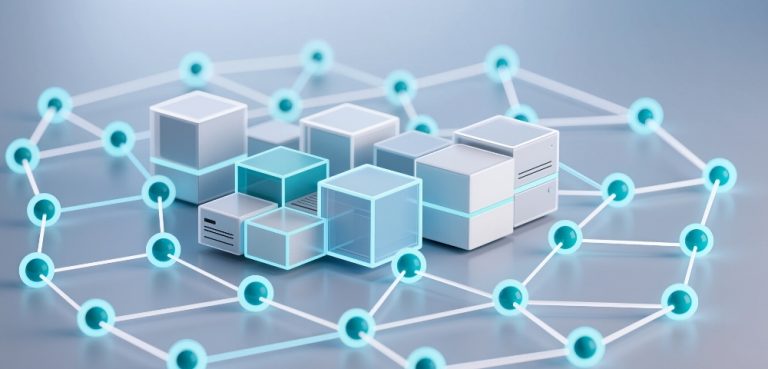
Cloud-Based ERP: Key Takeaways
- What it is: SaaS platform that manages finance, operations, HR, and supply chain via the internet
- No hardware needed: Eliminates on-premise servers and IT infrastructure costs
- Scalability: Add/remove users and modules instantly as business grows
- Cost savings: 30-40% lower TCO compared to on-premise ERP systems
- Remote access: Secure access from anywhere via web browser or mobile app
- Automatic updates: Vendor manages security patches, features, and maintenance
- Faster deployment: Implement in weeks vs months for traditional ERP
How Cloud-Based ERP Software Works
Cloud-based ERP software runs on a SaaS model-based delivery mechanism with applications hosted on the vendor’s servers and accessed through web browsers. Rather than invest in and manage hardware, businesses pay for services that scale up or down as needed.
What is more, leveraging cloud computing for ERP, these solutions consolidate business processes and provide ongoing updates and performance improvements.
Providing real-time data access is one of the top benefits that allows all departments to function using the latest available information. It is possible to transfer information easily and autonomously between modules, to minimise silos and the need for manual involvement.
The provider takes care of security protocols, backups and system uptime so that IT staff can concentrate on innovation, not upkeep. This method is one of the reasons why cloud-based ERP systems are particularly suitable for decentralised teams and rapidly growing businesses.
Core Features of Cloud-Based ERP Software
Modern Cloud-Based ERP Software platforms are modular and can be implemented in a way that your company only uses what you need, but still blends with the rest of your business.
Financial and Operational Management
At the heart of cloud-based ERP Software is full-fledged financial management that maintains strategic planning and compliance. The system serves as enterprise resource planning software and financial accounting software for the organisation’s finances, bringing together information about money, earned income, and saved funds.
Your organisation can obtain up-to-the-minute information on cash flow, spending, and budgeting with detailed, customisable reports that help identify inefficient expenditure.
Key capabilities include:
- Financial management ERP automation of accounting and reporting functions.
- Centralised business data with budgeting and forecasting.
- Enhanced readiness for audits and regulatory needs
By bringing together operational and financial aspects under one screen, you can see a larger picture in a more holistic way. This capacity enables you to make informed decisions more quickly; all of the above contribute to better overall governance.
Supply Chain and Inventory Control
For the operational success, effective supply chain management is a key to success, and this is possible through the cloud-based ERP Software that gives you full visibility of your procurement, logistics and inventory. Integrated supply chain management ERP functionalities allow your companies to track supplier performance, reduce inventory levels and respond instantly to changes in demand.
The built-in inventory management system allows you to track stock in real-time, automatic reordering and demand forecasting. This diminishes stockouts, warehouses overstock and increases customer satisfaction.
Integrating suppliers, warehouses, and distribution channels on a single platform enables your business to be more agile and adaptive within intricate networks.
Workforce and Resource Management
Human capital is a valuable resource, and cloud-based ERP Software optimises all the tasks related to human resources with its HRM –Human Resource Management ERP module. These solutions bring all employee records, payroll, attendance, and performance data into one place.
Organisations benefit from:
- Automated payroll and compliance reporting.
- Operational demand-driven workforce planning.
- Improved employee self-service and transparency.
Through linking HR processes with financial and operational information, your organisation can drive better resource allocation, increased productivity, and bolster long-term workforce strategies.
Key Benefits of Cloud-Based ERP Software for Businesses

Cloud-based ERP Software provides quantifiable benefits across businesses of all sizes, from start-ups to large enterprises.
Scalability and Flexibility
Stressing scalability, one of the biggest arguments for using cloud ERP software is how it can seamlessly scale. Designed for ERP software scalability, cloud platforms scale both ways: up, adding users, modules, or locations easily without impacting operations.
This is where the functionality can be scaled up easily as business needs change, without the need for expensive new infrastructure.
Such flexibility accommodates seasonal peaks, geographic growth and consolidation while maintaining uniform system performance. As you can see, your enterprise receives the agility you need to compete in quickly changing markets – all without being held back by legacy systems.
Cost Efficiency and Faster ROI
Cloud-based ERP Software cuts down upfront capital spend drastically as it removes the requirement of on-premise servers and expensive IT support. Subscription-based pricing makes ERP now a cost-effective ERP solution for mid-size companies.
Additional cost benefits include:
- Lower maintenance and upgrade costs.
- Faster deployment timelines.
- Less dependency on internal IT resources.
These elements drive faster time-to-value and an accelerated ROI than typical ERP implementations.
Secure Remote Access
Did you know that around 68% of workers in Singapore receive the opportunity to work remotely after COVID-19? The hybrid work environment is still in place for many, and security, as well as accessibility, are key players in this context. Cloud-based ERP software is equipped with enterprise-class cloud data security such as access controls, encryption and constant monitoring.
It does not matter as vendors provide security updates for new threats.
Meanwhile, staff get safe access from any place and can facilitate remote business management within the enterprise without compromising the security of data. Such a combination of secure and available helps to keep the business running and enables flexible work patterns.
Cloud ERP vs On-Premise ERP
The type of ERP that is best for an organisation involves consideration of the costs, flexibility and maintenance.
Deployment, Cost, and Maintenance Differences
The cloud ERP vs on-premise ERP comparison is a must because it shows why so many companies are moving towards the cloud. Legacy systems are expensive to purchase, maintain and manage from an IT perspective.
In contrast, cloud-based platforms simplify the ERP deployment models by transferring infrastructure responsibilities to the provider.
Cloud ERP offers:
- Faster implementation.
- Automatic updates and scalability.
- Lower long-term operational costs.
These benefits have made cloud ERP the application of choice for organisations that place agility and innovation at the top of their priority list.
Cloud ERP Implementation and Pricing Considerations

Implementing Cloud-based ERP Software successfully requires careful planning and a bit of realism when it comes to budget.
Cloud ERP Implementation Process
An organised cloud ERP implementation means easy changeover and user acceptance. This could involve business process mapping, early system configuration or a data migration. Robust system integration capabilities across networks make it possible for disparate applications to work together and share vital pieces of information.
Key implementation steps include:
- Requirements analysis and solution design.
- Data migration and integration testing.
- User training and go-live support.
This is how you can keep disruption to a minimum and speed up your value realisation.
Understanding Cloud ERP Pricing Models
Cloud ERP pricing typically revolves around your subscription levels that correlate with the number of users, modules and usage. This is the elastic component – you can pay for what you use and scale out later.
Further, transparent pricing models enhance budget transparency and lower your financial risk compared to old-style licensing.
Industries That Benefit Most From Modern ERP Platforms
This section demonstrates how modern ERP platforms adjust based on the industry type and scalability requirements.
Manufacturing, Distribution, and Supply-Driven Operations
In manufacturing and distribution-centric businesses, operational workflows are so intricate that they stand to benefit immensely from integrated ERP platforms. These are high-volume, multi-supplier, demand-driven and demanding compliance industries.
Moreover, centralised production can coordinate more easily with procurement, warehousing and fulfilment.
Through centralising operational data in a single platform, manufacturers obtain a clearer picture of how materials are used and where they are going, which bottlenecks are holding up production and lead times to fulfil customer orders. This results in better planning effectiveness, less downtime, and better supplier coordination.
For emerging manufacturers and distributors, a unified ERP platform provides the framework for lean growth, which is achieved by expanding into new markets rather than adding to existing operating costs.
Service-Based, SaaS, and Professional Organisations
We know that service-based businesses like SaaS providers, consulting agencies, and professional-services companies have different needs around resource utilisation, project tracking and financial visibility than they do in terms of physical inventory. For these companies, the core challenges are accurate forecasting, billing automation, and performance tracking – both at a team and client level.
An all-in-one cloud ERP solution allows service-based companies to manage billable hours, project profitability and recurring revenue models all in one place. Plus, management is feasible with live visibility of margins, resources and customer interactions for smarter decision making.
This is particularly beneficial for high-growth service businesses, as operational transparency has an immediate and direct influence on customer experience and revenue.
Key Business Metrics and KPIs Improved by ERP Adoption
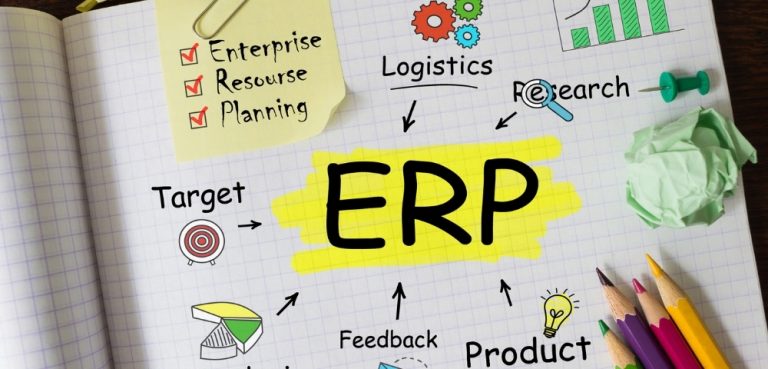
In the section below, you will get a glimpse of key business metrics and KPIs that can be improved by could-based ERP.
Operational Performance and Process Efficiency Metrics
The deployment of an ERP system directly benefits the operational KPIs through decreasing manual work, minimising errors and increasing workflow speed. When you have centralised your data, metrics like order cycle time, process completion rates, and operational throughput are easier to monitor and improve.
Further, your company can track performance across divisions in near real time, spot inefficiencies earlier and respond more quickly to pressure points. Automated workflows increase standardisation and decrease reliance on spreadsheets and disconnected tools.
The result is obvious. Your operations are smoother, cross-functional collaboration is more effective, and overall productivity has clearly gone up.
Financial Visibility, Forecasting, and Decision Accuracy
The financial KPIs of cash flow visibility, budget variance and forecast accuracy all increase materially when adopting ERP. Centralised finance data means leadership teams have one version of the truth, rather than spreadsheets and reports scattered throughout different systems.
This is where better transparency leads to decision-making and better financial governance. You can monitor profitability by department, project or business unit with tighter control over the costs.
When a company can rely on accurate forecasting, it is in a position to plan more proactively, responding effectively to market fluctuation, to investment openings and growth opportunities.
Why Cloud-Based ERP Software Is Ideal for Modern SaaS-Driven Businesses
Digital native companies need systems that are capable of quick innovation and constant improvement.
Supporting Digital Transformation
Cloud-based ERP Software serves as a base component for business process automation, allowing businesses to streamline their processes and eliminate manual tasks. Automation leads to a higher level of correctness and faster cycle times.
With this in place, your employees have more time for strategic work. Such a capability is a must-have for businesses that are looking to operate at scale in the digital era.
Always-On, Anywhere Access
With web-based ERP software, you can access, share and work simultaneously from different locations and yet continue to use one single system. Determine, communicate and carry out decisions constantly. Real-time visibility and always-on availability mean decision-makers can make better decisions faster.
How Tigernix Cloud ERP Solution Helps You Scale Smarter
TigernixERP is one of the top cloud Enterprise Resource Planning solutions in Singapore, specifically crafted for growing companies looking for reliability, security and scalability. Our SaaS ERP software is engineered with robust capabilities for small and mid-sized organisations made available as a cloud offering.
TigernixERP comes with many advantages, such as industry-ready modules, secure, scalable architecture, rapid deployment, continuous upgrades, customisability, etc., all under one space.
Integration with AI, IoT, Digital Twin, Predictive Analytics, etc makes our software platform a key driver for sustainable business expansion in Singapore.
Drive Through Competition with the Best Cloud-Based ERP Software
As enterprises continue to evolve in the era of digital transformation, it is clear that successful businesses will be those capable of taking advantage of new technologies. Cloud-based ERP software provides businesses with the accessibility, elasticity, and security they need to scale efficiently and safely. For those who are looking to adopt the best cloud-based ERP software, selecting a modern platform driven by SaaS provides both innovation and agility and long-term value.
FAQs About Cloud-Based ERP Software
What is Cloud-Based ERP Software?
Cloud-Based ERP Software is a SaaS-delivered system that manages core business processes through the internet, eliminating the need for on-premise infrastructure.
Is Cloud ERP Software Secure?
Yes. Leading platforms implement advanced cloud data security measures such as encryption, access controls, and continuous monitoring.
Who Should Use Cloud ERP Software?
Cloud ERP for businesses of all sizes, especially those seeking scalability, remote access, and cost efficiency.
How is Cloud ERP Different From Traditional ERP?
Cloud ERP is subscription-based, scalable, and managed by the vendor, unlike traditional systems that require in-house infrastructure and maintenance.
How long does it take to implement cloud-based ERP software?
The implementation timeline for Cloud-Based ERP Software typically ranges from a few weeks to several months, depending on business size, process complexity, data migration needs, and integrations.