

The reason you lost most of your profits last year is not because of what you thought! Do you know that many problems in production are because of mistakes made during distribution? What is the use of having great production if you are unable to distribute your products effectively? A single mistake can cost millions to the companies. That is why you should be aware of everything about the distribution system.
In this article, we will discuss its definition and types along with real-life examples and most efficient ways.
We will uncover
What is Distribution?
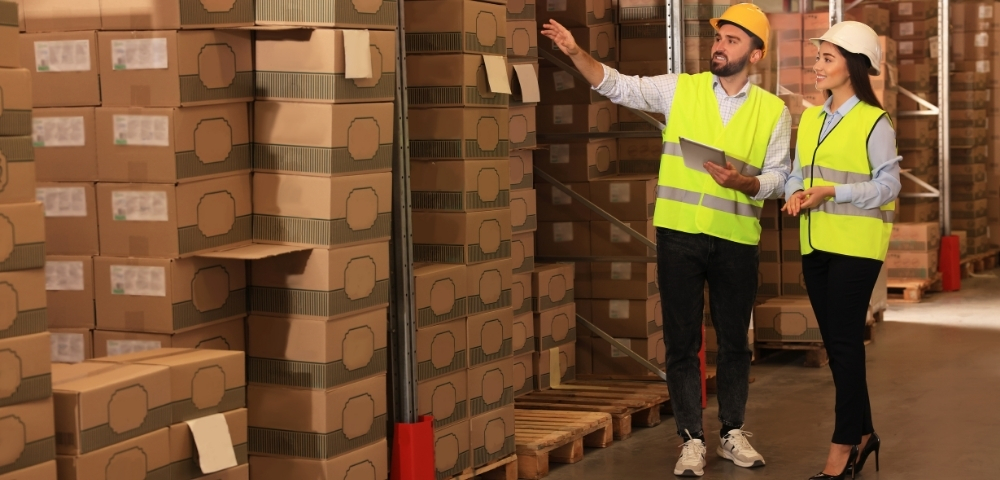
- The act of distribution entails the transportation of items made by business firms to consumers who need them. Distribution begins immediately after production and involves such activities as storage of products, management of inventory, and delivery of products to wholesalers, retailers, and end consumers.
- Businesses that plan their distributions properly ensure that the correct product is delivered to the correct location at the appropriate time. However, distribution is more than transportation of products through trucks; it encompasses selection of the most appropriate routes, management of transportation cost, and satisfying customers with efficient delivery of items.
- You will see the effectiveness of a good distribution system whenever there is a release of phones across various countries worldwide on the same day.
- There is no business operation that can exist successfully without efficient distribution. This is because retail, food, electronics stores, and online businesses depend on efficient distribution daily. Ineffective distribution results into late delivery of items, loss of customer satisfaction and emptiness in stock shelves. This is why efficient distribution becomes a priority in most business organizations.
- Business organisations that perform well in distribution create good reputation.
Different Types of Distribution
Direct Distribution
The direct distribution channel involves the process of selling goods directly to the consumer without involving middlemen such as wholesalers and retailers.
Direct distribution provides brands with full control over marketing, delivery, and support of their products. This gives the business a chance to build trust and to gain knowledge about their consumers.
As you can notice from the above explanation, e-commerce makes it possible for small and large firms to engage in direct distribution without necessarily having a brick-and-mortar store. Although the benefits of this method include cost saving and customer information, it is not without its disadvantages including managing deliveries, handling customer complaints and dealing with customer care.
Firms engaging in this approach must invest in good web sites or even building their own stores to effectively conduct sales transactions.
Indirect Distribution
With indirect distribution, there are usually other firms that are used to distribute the products from the producer to the buyer, for instance, wholesalers, retailers, and agencies. In indirect distribution, the company uses other firms to take care of some parts of the transaction process instead of taking care of the entire transaction process.
For instance, a soda firm can sell its product to the agency or distributor who will then take the product to thousands of retailers. Through the use of the distributor, the products will be delivered in a timely fashion since they already have an established network.
Even though there is loss of control and reduction in profits through indirect distribution, there are many companies that are still using this kind of distribution system. The main reason is that many firms want quick growth or market expansion.
The indirect distribution system is best suited for firms that do not have enough budget for establishing the supply chain and firms that do not have enough staff to handle direct sales processes. The major industries using indirect distribution systems include retail, food, consumer goods, and electronics.
Intensive Distribution
The latter is a mechanism that puts products in as many outlets as possible to reach the largest number of customers. Companies that choose this method aim to be everywhere, supermarkets, convenience stores, gas stations, and even vending machines.
We usually see this strategy with everyday products like snacks, soft drinks, toothpaste, and batteries. This method boosts visibility and sales volume, but it also means the business must produce in large quantities and keep up with heavy demand. On the downside, the brand might lose a bit of exclusivity and may face competition even in the same store.
Since the product appears almost everywhere, businesses need a tight supply chain to avoid stockouts or delivery delays. However, intensive distribution suits items that people buy often and without much thought. It works great when the product needs wide exposure or fast-moving sales to stay profitable.
Exclusive Distribution
It implies that the company selects only one or several outlets within a certain geographical area to sell its product. In this way, it becomes possible to have more control and make the brand look more premium.
It is clear that this happens for luxury products such as expensive watches, high-quality fashion, or electronics. For instance, a luxury car producer will choose to distribute its product only via one reliable dealer in the city. The company will have good relations with it and will control pricing, merchandising, and service standards. Thanks to that, the product becomes rarer and more valuable from the customer’s perspective.
However, it is clear that it is difficult to get enough coverage by using such approach since the selected distributors may be ineffective. Moreover, it takes more time to expand the market if the company uses this approach. Nevertheless, exclusive distribution suits perfectly if the brand has a good image, offers premium services, and does not want to fight with other companies about prices.
Thus, we can say that it is great for such industries.
Selective Distribution
Selective distribution is a combination of both intensive and exclusive forms of product distribution. What makes it this way?
The firm chooses several carefully selected outlets to place its products there. In this case, it tries to maximise its sales coverage but not lose the control of its brand. This kind of approach is usually implemented in electronics, furniture, and fashion industries.
So, for instance, instead of selling all smartphones in any store available on the market, the firm can select the specific technical shops to sell them. In such a way, the company will be able to ensure the safety of its brand image and attract many consumers. Moreover, selective distribution does not allow for the problems associated with the oversupply and ensures a good image of the product if education is necessary for the sale of the product.
On the other hand, it is necessary to mention that the partners’ selection should be very accurate, and if one of the retailers performs weakly, it will negatively impact the sales in this area.
A Practical Example of a Distribution Framework

- In reality, many clothing manufacturers use a retail distribution system that involves both physical stores and the Internet.
- It is when the firm delivers its goods from its central storage locations to its stores located in big shopping centers or cities’ centers, giving consumers the opportunity to view and purchase its products.
- Moreover, it has a convenient website where clients can make purchases, and these orders are then delivered to them from fulfillment centers. Such an approach allows consumers to purchase its products in different ways.
- The firm monitors the sales in all channels and makes sure to replenish the stock of its products rapidly. This will ensure its flexibility and high-quality service.
The Best Strategies for Perfect Distribution
- Choose the Right Channel Mix
Smart businesses match their product type with those sales avenues which sell best whether through an online store, retailers, direct sales or whatever. They study the customer behaviors and pick the winners not just the trends. The whole approach is designed to link up products with the correct customers in less time and at lesser cost.
- Use Real-Time Inventory Tracking
Having real-time solutions for stocking management both in your warehouse and shop is preferable. You will be able to avoid over-stocking and stock-outs thanks to that. Knowing which items sell and which shipments go will help you make the right decisions. This way, you ensure the proper functioning of everything.
- Build Strong Delivery Networks
It should be seen that even the best brands work only with trusted transportation services and offer options that are close to customers’ locations. They check the route, monitor the speed, and eliminate any delay very quickly. It is important to deliver orders on time safely, and if there is no delivery, you get mistrusted right away.
- Train Your Distribution Team Well
Your team may make your plan work or ruin it completely. Good companies teach their employees how to package and deliver goods properly without any errors. Good companies do not assume anything. Instead, they use a system. The more people understand what they are supposed to do during distribution, the better things will go.
- Always Review and Improve the System
A distribution strategy can never remain foolproof indefinitely. There will always be changes in market dynamics, consumer demands, and technological advancements. Wise firms frequently evaluate their system and make necessary modifications. It is because this practice ensures smooth distribution of their product under all circumstances.
Incorporating Digital Tools for Optimising Distribution

Each wrong shipment you make destroys your profits silently. Your competitors are using AI technology embedded Warehouse Management Systems to optimise their distribution network as well as save their dollars. Why do you stay behind? If you purchase a robust system from a reputed brand, it will offer you live insights of your distribution network, smarter planning and scheduling tools, automatic alerts, etc. in real-time. Since the market is moving faster, let’s play this smarter, not harder!