

Have you experienced modern supply chains evolving quicker than ever before? As we kicked off2026, the businesses are risking delivering faster, cheaper and almost perfect accuracy. As per a recent industry report, more than 80% of the warehouses will be utilizing advanced digital devices by 2027. Furthermore, organisations with automated and digitised warehouse management software are witnessing a 30% improvement in operation efficiency and 25% drop in order errors.
At the same time, warehouse inefficiencies continue to cost businesses globally over $1.5 trillion annually, making the right system not just a tool, but a competitive advantage.
So, how do you choose the best solution in a crowded market? Let’s explore this together.
The article covers
- Why Choosing The Right Warehouse Management Software Matters In 2026
- What Is Warehouse Management Software?
- What Key Features Should You Look For In A WMS?
- How Do You Evaluate WMS Integration Capabilities?
- What Are The Different Types Of Warehouse Management Systems?
- How Should You Assess Scalability And Flexibility?
- What Security And Compliance Factors Should You Consider?
- How Do You Calculate The Total Cost Of Ownership?
- How To Successfully Implement And Onboard A New WMS?
- Real-World Examples: Businesses That Chose The Right WMS
- FAQs About Warehouse Management Software
Why Choosing the Right Warehouse Management Software Matters in 2026

Selecting the right system is critical as warehouses have begun to make and break supply chains. The best warehouse management software can speed up accuracy, visibility, and other operations that also helps in business growth at all times.
Key Takeaways
- Choosing the right warehouse management software improves efficiency, accuracy, and overall supply chain performance.
- Key features such as automation, real-time tracking, and integration are essential to modern warehouse success.
- Scalability and flexibility ensure your system supports future growth and changing business needs.
- A well-implemented WMS reduces costs, minimises errors, and delivers measurable return on investment.
The Growing Complexity Of Modern Warehouse Operations
A warehouse today is no longer just a storage place. They efficiently manage large volumes of ordering, returns and multichannel fulfilment.
To address such a scenario, companies must manage all warehouse operations, receiving and put-away management, and enhance the experience with rising customer expectations.
E-commerce expansion and worldwide sourcing are putting more pressure than ever, you may have seen. Due to unpredictable demand patterns, companies deal with order cycles faster.
Workflow management can quickly become chaotic without a good system. This helps in simplifying the processes of the operations unit, thus leading to better decision-making.
Why Outdated Systems Cost Businesses Time And Money
As we all know, those legacy systems have long relied on manual processes and disconnected tools. As a result, there are delays, errors and poor inventory control. With many companies still relying on spreadsheets, inaccuracies in stock management and reporting are increasing.
Outdated instruments restrict visibility into real-time performance. Inefficiency identification problems arise without proper warehouse metrics.
As a result, warehouse costs could skyrocket, labour shortages and slower fulfilment cycles. Nonetheless, current systems do away with these inefficiencies and allow for better tracking of performance.
The Role Of WMS In Digital Supply Chain Transformation
A modern system plays a key role in enabling digital transformation across the supply chain. It connects inventory, orders, and logistics into one unified platform, improving coordination between departments.
With enhanced data visibility, businesses gain better control over operations and can respond quickly to disruptions. These systems also support advanced technologies such as automation tools, helping reduce manual work and improve productivity.
In today’s competitive market, digital transformation is essential for survival.
What Is Warehouse Management Software?
Warehousing systems plan, manage, control, optimise, and automate warehousing activities. The real-time core system for inventory movement, order fulfillment and work flow management.
Core Functions And Capabilities Of A WMS
Modern solutions nowadays provide a great capability to track inventory, fulfil orders, track warehouses, and much more. It is crucial for receiving, storing, and shipping goods correctly.
It also enables functions such as counting cycles, slot optimisation, and labour management that help improve productivity.
Your firm’s robustness and efficiency will improve since they will enhance operational efficiencies while minimising human errors. Essential capabilities of the system are best for complex warehouse management.
Standalone WMS Vs ERP-Integrated WMS: Key Differences
One can choose either a standalone WMS or ERP integrated WMS depending on requirement. Though, it is essential to be clear on the difference.
Standalone systems concentrate on warehouse activities but hold functionality depth for logistics processes. ERP-integrated solutions connect warehouse operations to finance, procurement, and sales. Coordination is easier with less data silos. Deciding on the right one will depend on the size, complexity, and overall goals of the business.
How A WMS Connects Inventory, Orders, And Fulfilment
A warehouse will be entirely dependent on a system that has been well-designed. The inventory movement and shipment operations successfully flow and are connected by order management.
As soon as an order is placed, the stock is automatically updated, picking is assigned, and shipment is tracked. This merger accomplishes things more accurately and more quickly.
It also supports better planning and forecasting for future demand.
What Key Features Should You Look For In A WMS?

What features are you looking out for when observing the systems? The most effective systems can deliver real-time visibility, supply automation features, and also provide ingenious tools to augment warehouse employees.
- Real-Time Inventory Tracking And Visibility
Modern inventory management systems allow your business to view inventory instantaneously, helping you avoid out-of-stock products. This feature will increase inventory accuracy and lower the chances of stockouts.
With continuous insights, managers can monitor stock movement between locations and make faster decisions. Companies that deal with large quantities of products or use various warehouses will benefit greatly from adding such a feature to their inventory management software.
This facility also assists in improving the customer service for correct order availability.
- Barcode Scanning, RFID, And Automated Data Capture
Automation plays a major role in improving warehouse efficiency. Did you know that?
Technologies like barcode scanning and RFID technology enable fast and accurate data capture during receiving, picking, and shipping. Automated tools reduce manual entry errors and improve traceability. These systems offer complex tracking features such as serial number and shelf life tracking. Such features are essential for various sectors like healthcare and food distribution.
Additionally, the workflow becomes more efficient, increasing accuracy at every task.
- Picking, Packing, And Order Fulfilment Management
Ensure the picking and packing activity is done fast for delivery. Every warehouse or logistics area needs a competent picking and packing setup to effectively fill orders. Allow for the design of optimised picking and packing workflows that reduce distance travelled. The productivity of warehouse staff also improves as well.
As a result, accurate order processing and timely shipment tracking facilitates increased order fulfilment. Batch picking and wave picking ensures enhanced efficiency making it a must. More.
How Do You Evaluate WMS Integration Capabilities?
The process of integrating your new software into your existing infrastructural set-up is vital. An all-in-one solution allows smooth communication between systems, reduces manual labour and enhances efficiency across departments.
Connecting WMS With Your Existing ERP And Accounting Systems
For effective ERP integration, a robust system must be present which integrates warehouse data with financing and procurement systems. In a warehouse connected to an ERP, updates to inventory, invoices and orders are automatically synchronised.
Obviously, when systems are connected, you avoid duplicating data entry as well as errors. It also enhances the report’s precision, also improving financial planning.
Likewise, integration allows every other department to work with the same real-time data, improving the decision-making of the organization.
API Flexibility And Third-Party Platform Compatibility
For modern systems, it is essential to enable API integration with third-party platforms like e-commerce systems, transport management tools, marketplaces, etc. But for what reason?
The first reason is that the system should be flexible enough to change as per the business requirements. Another reason that APIs generally have a quicker time-to-deploy and easier customisation.
If your business uses multiple platforms, you can benefit a lot from a system that your system can connect with them.
Ensuring Seamless Data Flow Across Departments
Enterprise application development integrates business processes and data flow efficiently. The integration of data applications enhances communication and the responsiveness of departments in the company.
A smooth flow of information between various departments leads to quicker results and reduced error rates in business processes.
Improves coordination ability. When various software communicate successfully, the warehouse, sales and finance departments have seamless interaction.
The insights we provide are better. When all your data is in one uniform place, you’ll gain a better understanding of what’s happening in the business, and you can fix issues when they arise.
This enhances supply chain performance.
What Are The Different Types Of Warehouse Management Systems?

From standalone, cloud-based to ERP-integrated WMS, there are different types of systems available, each designed to meet specific business needs. Understanding these options helps businesses choose the right solution based on their operational requirements and growth plans.
1. Standalone WMS For Dedicated Warehouse Control
An independent system pays attention only to warehouse activities and possesses excellent functionality in terms of process management. It includes such sophisticated tools for controlling stock keeping, work flows and storage.
Such a system will suit companies that have complicated warehouse needs. It can be more customised and allow for good process management but it might take more integration efforts.
2. Cloud-Based WMS For Scalability And Remote Access
A cloud warehouse management system offers flexibility, scalability, and anywhere access. Manage operations from anywhere and reduce reliance on infrastructure situated at site.
Taking your WMS software to the cloud also supports quicker updates and easy maintenance. It is great for growing businesses seeking a scalable solution without a huge upfront cost.
Moreover, with the access to real-time data from different locations, cloud systems encourage collaboration.
3. ERP-Embedded WMS For Unified Business Operations
ERP-embedded system combines warehouse functions with business processes. Bringing inventory, finance, procurement, and sales together on one platform is the approach.
All the departments, like accounting, production, packing, and dispatch, look forward to using the data.
A unified solution like this is ideal for companies looking to simplify their operations and improve control overall.
How Should You Assess Scalability And Flexibility?
When choosing a system, consider scalability and flexibility for long-term effectiveness. A good solution should change as business needs change without large-scale upgrades or replacements.
Choosing A WMS That Grows With Your Business
It is essential for businesses to pick a system that can manage growing order volumes. Moreover, a scalable system can support growth without the risk of a performance issue.
Businesses grow and develop, and they need solutions. Solutions that will manage more inventory, users, and transactions. A flexible system helps companies grow their operations efficiently while retaining productivity and accuracy.
Multi-Warehouse And Multi-Location Support
Most modern businesses have several locations. A powerful system must support operations of multiple warehouses from one central control.
This feature helps businesses to ensure consistency by managing inventory across locations. It further enhances coordination between locations as well as optimises resources. Companies expanding into new markets need multi-location support.
Adapting To New Product Lines, Channels, And Workflows
Business requirements are always changing. A key characteristic of a flexible system is that organisations can add new product lines, sales channels, and operational workflows without major changes in the system.
Businesses might open up to e-commerce or introduce new forms of distribution.
A system that adapts quickly will ensure a smooth transition and disruptiveness. By enabling quick reaction to client demands and maturing market patterns, flexibility allows enterprises to stay competitive in a rapidly changing market.
What Security And Compliance Factors Should You Consider?

Compliance and safety are paramount when choosing a system, as warehouse systems deal with vital operational and customer data. A dependable solution needs to protect data, control user access, and comply with various industry regulations for safety.
Role-Based Access Controls And User Permissions
A good system must have built-in role-based access controls to help you determine who can access and edit the information. Your workers will only get access to information that relates to their job thanks to this.
Another benefit of having ‘RBAC’ is that it limits activities that could cause mistakes. Thus, damages or unauthorised actions caused by these mistakes would also be limited.
Data Protection And Cloud Security Standards
A business needs to learn about data protection for top management.
To stop information theft and other cybercrime activities, your system has to be safe and secure. To be effective, the cloud solution must conform to global security standards and offer capabilities that include encryption, secure backups, and ongoing upgrades.
These safety features ensure your data is always safe and available when you need it. This is exactly why experts feel any business must ensure the vendor is closely scrutinised to check it passes top security standards.
Compliance With Industry Regulations And Audit Readiness
Business compliance ensures that your business meets industry standards.
The good system should assist in audits and maintain records for inspection.
Automated tracking and reporting ensure business stay compliant with regulations. As a result, it reduces the risk of penalties. A compliant system also develops trust with customers and partners.
How Do You Calculate The Total Cost Of Ownership?
Understanding the total cost of ownership helps businesses make informed decisions. It is important to consider both upfront and ongoing costs to evaluate the true value of a system.
- Licensing, Implementation, And Training Costs
The software licensing, set-up, and training will incur initial costs. Costs differ based on solution complexity and business size. These are the probable costs for custom software development.
When you plan appropriately, you will be able to set aside enough resources for a good implementation.
It is also important that employees receive training to use the system from the first day.
- Ongoing Maintenance, Support, And Upgrade Pricing
Not just prices, companies need to think about ongoing expenses too. This includes maintenance, backup and system upgrades.
Long-term budgets can be heavily affected by these costs.
Cloud systems usually feature updates and support as part of the subscription fee while on-premise systems requires further investment. Becoming acquainted with these costs assists businesses in avoiding unanticipated expenses.
- Measuring ROI Through Efficiency Gains And Error Reduction
Return on investment (ROI) is an essential metric for gauging a system. The solution should enhance productivity, eliminate mistakes, and cut down costs; businesses must evaluate that.
Better warehouse efficiency of assets will result in faster order processing and lower labour costs.
Minimising errors also limits returns and enhances customer satisfaction.
A good system gives you benefits that are worth the cost.
How To Successfully Implement And Onboard A New WMS?
Successful implementation is just as important as selecting the right system. A well-planned rollout ensures minimal disruption and faster adoption across the organisation.
Step-By-Step Implementation Planning For Warehouses
A successful implementation guide should detail steps, timeframe, and who is responsible. For any business, it is crucial that they set objectives, prepare data, and pilot the system before rolling it out fully.
Project planning helps to minimise risks and ensure that the system will work with business processes.
It also helps to sort out probable problems early on, giving teams a chance to counter them before they affect operations.
Staff Training And Change Management Best Practices
Successful adoption requires essential training.
At this stage, your team should understand how to utilise the system to get the greatest benefit.
Change management strategies help employees cope with change and adapt to new processes. Regular support and communication help the move go smoothly.
Training improves productivity as well as the system’s performance.
Minimising Downtime And Disruption During Rollout
During the implementation of a system, disruption must be minimal. Businesses must plan their rollout process to avoid operational delays.
Using techniques like phased implementation and parallel running minimizes risks.
Checking the system thoroughly before release allows for smoother operation. Proper management is essential for rollout, business continuity, and a quicker return on investment, often referred to as ‘payback’.
Real-World Examples: Businesses That Chose The Right WMS
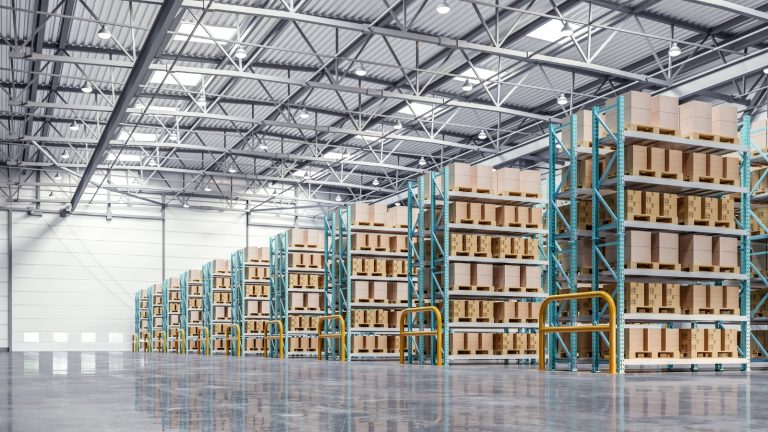
Real-world success stories show how the right system can transform operations. Businesses across industries have improved accuracy, reduced costs, and increased efficiency by selecting the right solution.
Manufacturer Reduces Picking Errors With Barcode-Driven WMS
A medium-sized manufacturer frequently picked errors that impacted customer satisfaction. The implementation of the barcode scanning system improved the precision of operations of the company.
The system enabled real-time validation of items during picking and packing.
As a result, errors dropped by over 40%, and order processing became faster. The company also improved traceability, allowing better tracking of products throughout the warehouse.
Retailer Achieves 99% Inventory Accuracy With Cloud WMS
A growing retail business needed better visibility across multiple locations. By adopting a cloud-based WMS, the company gained centralised control over inventory.
The system provided real-time update and increased stock accuracy in all warehouses.
The retailer thus registered an inventory accuracy of 99 percent with a significant reduction in stock discrepancies. Better visibility also improved replenishment and reduced stockouts.
Distributor Cuts Fulfilment Costs Through ERP-Integrated Warehouse Management
A distribution company faced difficulties due to disconnected systems. The business streamlined operations with an ERP integrated WMS that improved inter-department communication.
As a result of the integration, manual data entry is reduced to improve the speed at which orders are processed. The cost of fulfilment fell considerably, and the company gained better operational control.
The distributor took advantage of advanced technology to grow production while maintaining service levels.
Why Choose Tigernix Warehouse Management Software?
Selecting the right provider is just as important as choosing the right system. TigernixWMS is a comprehensive Warehouse Management System in Singapore that offers a powerful, flexible, and scalable solution designed to meet modern warehouse demands.
Comprehensive WMS Features Tailored For Your Industry
TigernixWMS represents a complete inventory management system designed to support diverse industries. From advanced tracking to intelligent workflow automation, the system adapts to specific business needs.
Our solution includes features such as warehouse automation software, enabling your businesses to streamline operations and reduce manual work. The platform is designed to handle complex workflows while maintaining simplicity and ease of use for teams.
Seamless ERP Integration And Cloud-Ready Architecture
Tigernix offers a modern platform with strong integration capabilities. Its architecture supports seamless connectivity with ERP systems and third-party platforms.
As a cloud-based warehouse management solution, TigernixWMS ensures flexibility, scalability, and secure access from anywhere. Your businesses will benefit from real-time insights and improved collaboration across departments, enabling smarter decision-making.
Proven Results In Efficiency, Accuracy, And Operational Control
Tigernix solutions are built to deliver measurable results. Businesses using the platform experience improved operational control, reduced errors, and enhanced productivity.
With advanced analytics and automation capabilities, companies gain better control over inventory and workflows. This leads to improved performance, reduced costs, and a stronger competitive advantage in the market.
Tigernix-Where You Meet Super Efficiency
Ready To Find The Best Warehouse Management Software For Your Business?
Choosing the right solution can transform your warehouse operations and drive long-term growth. The right system improves visibility, efficiency, and accuracy across every stage of your supply chain.
Request A Free Demo Of Tigernix WMS Today
Explore how Tigernix can transform your operations with a personalised demo. See how the system works in real time and understand how it fits your business needs.
A demo allows you to evaluate features, usability, and performance before making a decision. It also helps identify how the solution aligns with your operational goals.
Connect with us for a free demo now.
Explore How Our WMS Reduces Costs And Improves Visibility
Tigernix helps businesses reduce operational costs by improving efficiency and minimising errors. With advanced tools and automation, your company can streamline workflows and improve productivity.
The system provides better visibility into operations, enabling faster decision-making and improved planning. This leads to stronger performance and better customer satisfaction.
Begin Your Journey To Smarter, More Efficient Warehouse Operations
There is no doubt that the future of warehousing is digital, connected, and data-driven. Investing in the right solution ensures your business stays competitive in an evolving market.
By choosing a scalable and flexible system, businesses can adapt to changing demands and achieve long-term success. Now is the time to take the next step toward smarter warehouse operations.
Choosing The Right WMS Is A Strategic Advantage
Selecting the best warehouse management software is a technical decision as well as a strategic investment. The right solution improves efficiency, reduces costs, and strengthens your supply chain.
When you focus on features, scalability, integration, and long-term value, your business can make confident decisions. In 2026 and beyond, companies that invest in the right technology will lead the market, outperform competitors, and deliver exceptional customer experiences.
FAQs About Warehouse Management Software
Warehouse management software is a digital system that controls inventory, orders, and warehouse processes. It tracks stock movement, automates picking and packing, and improves accuracy. Connecting operations in real time helps businesses manage warehouses efficiently and reduce manual errors.
The most important features include real-time inventory tracking, automation tools, barcode or RFID support, and integration with ERP systems. Businesses should also look for scalability, reporting dashboards, and multi-location support to ensure the system can handle future growth and complex operations.
The cost of warehouse management software depends on deployment type, features, and business size. Expenses typically include licensing, implementation, training, and ongoing support. Cloud-based systems often use subscription pricing, while on-premise solutions require higher upfront investment and maintenance costs.
A standalone WMS focuses only on warehouse operations, offering deep functionality and customisation. An ERP-integrated WMS connects warehouse processes with finance, procurement, and sales systems. This integration improves data flow, reduces duplication, and provides a unified view of business operations.
To choose the best system, evaluate features, integration capabilities, scalability, and total cost of ownership. Businesses should also assess vendor support, ease of use, and implementation processes. Selecting a solution aligned with operational needs ensures long-term efficiency and improved warehouse performance.