Did you know that some popular studies show that increasing customer retention by just 5% can boost profits by 25% to 95%? At the same time, acquiring a new customer can cost 5–7 times more than keeping an existing one. In today’s competitive digital economy, businesses are turning to customer retention technology to stay profitable, reduce churn, and build lasting relationships.
Modern businesses are no longer focused only on gaining new customers; they are investing heavily in keeping the ones they already have. With rising expectations, fast-changing behaviours, and increasing competition, technology plays a crucial role in delivering personalised, timely, and meaningful customer experiences.
In this article, we will explore the true definition of customer retention technology and how it works for your business.
The article covers
- Why Customer Retention Technology Matters in Today’s Business Landscape
- What Is Customer Retention Technology?
- How Does Customer Retention Technology Work?
- What Are the Key Types of Customer Retention Technology?
- How Does Predictive Analytics Power Customer Retention?
- What Role Does Automation Play in Customer Retention?
- How Does Customer Retention Technology Support Loyalty Programmes?
- What Metrics Should You Track With Retention Technology?
- How to Choose the Right Customer Retention Technology for Your Business
- Real-World Impact: Businesses Empowered by Retention Technology
- FAQs About Customer Retention Technology
Why Customer Retention Technology Matters in Today's Business Landscape

Customer expectations are evolving rapidly, and businesses must adapt or risk losing valuable customers. Retention technology helps companies reduce losses, increase loyalty, and build sustainable growth through smarter engagement strategies.
Key Takeaways
- Customer retention technology helps businesses reduce churn and build long-term customer relationships.
- It uses data, analytics, and automation to deliver personalised and timely engagement.
- Higher retention leads to increased revenue, lower acquisition costs, and stronger brand loyalty.
- Choosing the right platform ensures scalable growth and a better customer experience.
The Rising Cost of Customer Acquisition vs Retention
You may know that acquiring new customers has become increasingly expensive due to digital ad competition and saturated markets. This is one point where businesses often spend heavily on marketing campaigns, only to see short-term gains.
In contrast, investing in customer retention strategies allows you to maximise the value of existing customers while lowering acquisition costs.
Retention-focused tools help identify loyal customers, reduce unnecessary spending, and improve ROI. When they prioritise long-term relationships over one-time sales, businesses can create stable revenue streams while improving efficiency and reducing marketing waste.
How Shifting Customer Expectations Are Driving Technology Adoption
Customers today expect fast responses, personalised offers, and seamless experiences across channels, right?
This shift has forced businesses to adopt tools that enable omnichannel engagement and consistent communication. Without technology, meeting these expectations at scale becomes nearly impossible.
Retention platforms allow you to track preferences, behaviours, and interactions in real time. This ensures that every customer interaction feels relevant and timely.
The latter helps brands stay competitive in an environment where customers can switch to alternatives within seconds.
The Link Between Retention Rates and Long-Term Business Profitability
You must keep in mind that your retention rates directly impact profitability and long-term growth. Businesses with high retention levels benefit from repeat purchases, referrals, and stronger brand loyalty.
These customers often spend more over time and require less marketing investment.
If you can improve retention, your company can increase revenue stability and predictability. Tools that track retention metrics help organisations understand performance trends and optimise strategies, ensuring long-term success in highly competitive industries.
What Is Customer Retention Technology?
Customer retention technology refers to digital tools designed to help businesses keep their customers engaged, satisfied, and loyal over time. These platforms combine data, analytics, and automation to improve customer relationships and reduce churn.
Defining Customer Retention Technology and Its Core Purpose
You will notice that customer retention technology focuses on improving the entire customer experience. It collects and analyses customer data to identify patterns, preferences, and potential risks. This allows businesses to act early and maintain strong relationships.
The main goal is to reduce customer churn while increasing repeat purchases and satisfaction.
Therefore, when using data-driven insights, companies can create meaningful experiences that keep customers coming back, ultimately driving growth and stability.
How Retention Tools Differ From Traditional Customer Service Software
Traditional support systems focus mainly on solving issues after they occur.
In contrast, retention tools are proactive. They aim to prevent problems before they happen by analysing customer behaviour and predicting risks.
These systems go beyond support by enabling proactive outreach, personalised offers, and engagement strategies.
Instead of reacting to complaints, businesses can build stronger relationships through continuous interaction and targeted communication.
The Relationship Between CRM, AI, and Retention Platforms
Modern retention systems usually integrate CRM software with advanced technologies like machine learning and analytics. This combination allows businesses to track every stage of the customer journey and optimise engagement.
When a company merges CRM data with intelligent algorithms, it can deliver AI-driven personalisation at scale.
This creates tailored experiences for each customer, improving satisfaction and increasing the chances of long-term loyalty.
How Does Customer Retention Technology Work?
Retention technology works by collecting data, analysing behaviour, and automating actions to keep customers engaged. It turns raw data into actionable insights that businesses can use to prevent churn and improve relationships.
Collecting and Centralising Customer Data Across Touchpoints
You may have heard that retention systems gather information from multiple sources, including websites, apps, emails, and support interactions. This data is combined into unified customer profiles and gives businesses a complete view of each individual.
Plus, centralised data enables better decision-making and ensures consistency across channels. It also helps businesses understand how customers interact with their brand, making it easier to design effective retention strategies.
Using Behavioural Analytics to Identify Churn Risks Early
Since it is possible to analyse behavioural data, retention tools can detect warning signs such as reduced engagement or declining purchase activity.
These insights enable accurate churn prediction, allowing businesses to act before customers leave.
Advanced analytics tools provide real-time analytics, helping companies respond quickly to changes in behaviour. This proactive approach reduces risk and improves overall retention performance.
Triggering Automated Responses to Re-Engage At-Risk Customers
Once risks are identified, systems can trigger actions such as automated follow-ups, targeted messages, or special offers. Did you know that these responses are designed to re-engage customers and strengthen relationships?
Automation ensures timely and consistent communication without manual effort. By using personalised communication strategies, your business can reconnect with customers effectively and prevent churn before it happens.
What Are the Key Types of Customer Retention Technology?
Different types of retention tools serve different purposes, from managing relationships to predicting behaviour. Together, they create a powerful ecosystem that supports long-term customer engagement.
1. CRM Systems and Their Role in Managing Customer Relationships
CRM platforms play a central role in managing customer relationships.
They store data, track interactions, and help businesses deliver better service. With CRM customer retention, you can monitor engagement and improve communication.
These systems also support customer success by ensuring that customers receive the right support at the right time. This leads to stronger relationships, higher satisfaction, and improved retention outcomes.
2. AI and Machine Learning Tools for Predicting Customer Behaviour
AI tools analyse large datasets to uncover patterns and trends. These AI-powered retention tools help businesses understand what customers are likely to do next, enabling smarter decision-making.
When using predictive models, companies can identify opportunities for upsell and cross-sell, improve engagement, and prevent churn.
This technology allows businesses to stay ahead of customer needs and expectations.
3. Customer Data Platforms (CDPs) for Unified Customer Profiles
A customer data platform brings together data from multiple systems into one unified view. This makes it easier to understand customers and create personalised experiences.
CDPs support better customer segmentation, allowing businesses to group customers based on behaviour, preferences, and value.
This enables more targeted campaigns and improves overall retention performance.
How Does Predictive Analytics Power Customer Retention?
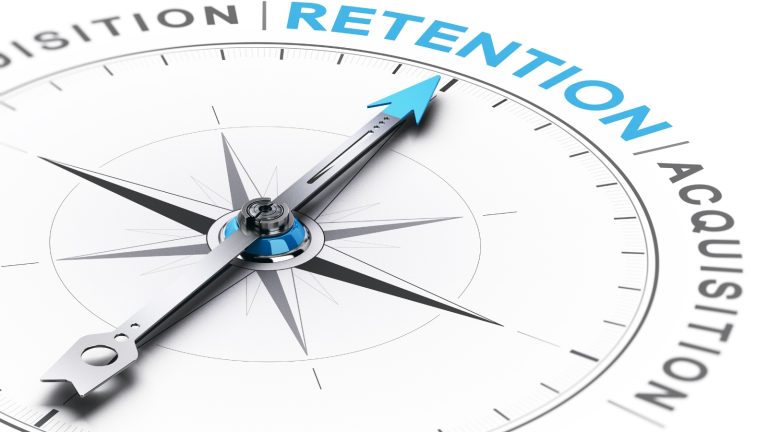
Predictive analytics helps businesses stay one step ahead by turning past and present data into future insights. It allows companies to anticipate behaviour, personalise engagement, and reduce churn with precision.
Forecasting Churn Using Historical and Real-Time Data
To begin with, businesses analyse both historical records and live activity to understand patterns.
This approach uses predictive analytics for retention to detect early warning signs before customers leave. For example, a drop in usage or fewer interactions may signal dissatisfaction.
At the same time, combining past trends with real-time signals improves accuracy. This makes churn prevention software more effective, helping businesses act quickly.
As a result, companies can reduce losses and maintain stronger relationships through timely intervention.
Building Targeted Retention Campaigns With Predictive Segmentation
Next, predictive models allow businesses to divide customers into meaningful groups.
This method ensures that each segment receives relevant communication based on behaviour and value. Instead of generic campaigns, your business can create tailored strategies that resonate.
More importantly, segmentation helps prioritise high-value customers. It also supports smarter decision-making by focusing resources where they matter most.
Consequently, businesses improve engagement, increase conversions, and build deeper connections with their audience.
Turning Data Insights Into Personalised Customer Interactions
Ultimately, data becomes powerful only when it drives action. Predictive insights enable businesses to deliver personalised communication that matches individual needs.
Whether it is a special offer or a timely reminder, every interaction feels relevant.
In addition, this approach improves the overall customer experience, making customers feel understood and valued. Over time, consistent personalisation strengthens relationships, boosts satisfaction, and encourages long-term loyalty.
What Role Does Automation Play in Customer Retention?
Automation simplifies complex processes and ensures consistent engagement. It allows businesses to communicate effectively without increasing manual workload, making retention efforts more efficient and scalable.
Automating Follow-Ups, Reminders, and Loyalty Communications
First of all, automation enables businesses to send timely messages without delay. From reminders to updates, systems can handle routine communication through customer engagement automation. This ensures that no opportunity is missed.
Moreover, automated systems improve consistency across all touchpoints.
Customers receive the right message at the right time, which strengthens trust and engagement. Over time, this consistency plays a key role in improving retention outcomes.
Email and SMS Automation for Timely Customer Engagement
At the same time, channels like email and SMS remain highly effective.
With email automation, your business can send personalised offers, updates, and reminders based on behaviour. This keeps customers engaged without overwhelming them.
Similarly, SMS messages provide quick and direct communication. When used correctly, these channels create a seamless experience that keeps customers connected. As a result, businesses can maintain regular engagement while saving time and effort.
How Automated Workflows Reduce Manual Effort and Improve Consistency
Equally important, automation reduces the need for manual processes.
Workflows can be designed to handle repetitive tasks, allowing teams to focus on strategy and innovation.
In addition, automated systems ensure accuracy and consistency across all interactions. This improves efficiency while reducing errors.
This way, businesses benefit from smoother operations and stronger customer relationships.
How Does Customer Retention Technology Support Loyalty Programmes?
Loyalty programmes are essential for encouraging repeat purchases and strengthening relationships. Retention technology enhances these programmes by making them more personalised, measurable, and effective.
Integrating Loyalty Rewards Into CRM and Retention Platforms
To start with, modern systems integrate rewards directly into retention platforms. This creates a seamless experience where customers can earn and redeem benefits easily. With customer loyalty technology, businesses can manage rewards efficiently.
Furthermore, integration ensures that loyalty data is connected with other customer insights. This helps businesses design better programmes that align with customer preferences and behaviour.
Tracking Member Engagement, Tiers, and Redemption Activity
In addition, retention tools track how customers interact with loyalty programmes. They monitor engagement levels, tier progression, and redemption patterns.
This provides valuable insights into what works and what needs improvement.
These insights allow businesses to refine their programmes and increase participation. As a result, customers stay engaged and continue to interact with the brand over time.
Personalising Loyalty Experiences Using Customer Behaviour Data
Most importantly, personalisation transforms loyalty programmes into meaningful experiences. Using behaviour data, businesses can tailor rewards and offers to individual preferences.
This approach makes customers feel valued and appreciated. Over time, personalised loyalty experiences strengthen emotional connections and drive repeat purchases.
The latter also improves overall retention performance.
What Metrics Should You Track With Retention Technology?

Tracking the right metrics helps businesses understand performance and improve strategies. Retention technology provides detailed insights that guide decision-making and drive continuous improvement.
Customer Retention Rate and Churn Rate Explained
To begin with, businesses must track retention and churn rate to measure success. Retention rate shows how many customers stay, while churn rate indicates how many leave.
Understanding these metrics helps businesses identify problems early. It also provides a clear picture of customer loyalty and overall performance, making it easier to adjust strategies when needed.
Measuring Customer Lifetime Value (CLV) and Purchase Frequency
Customer lifetime value shows how much revenue a customer generates over time. When combined with purchase frequency, businesses can identify their most valuable customers.
These insights help companies focus on high-value segments and optimise engagement strategies.
As a result, businesses can maximise revenue while improving customer satisfaction.
Using Net Revenue Retention (NRR) to Evaluate Long-Term Health
Finally, net revenue retention measures how much revenue is retained from existing customers, including expansions and upgrades. This metric provides a deeper understanding of business growth.
A high NRR indicates strong retention and successful upselling strategies. Therefore, tracking this metric helps businesses ensure long-term sustainability and profitability.
How to Choose the Right Customer Retention Technology for Your Business
Choosing the right solution can feel overwhelming, especially with so many options available. However, the right platform should align with your goals, scale with your growth, and deliver measurable results.
Key Features to Look for in a Retention Platform
To begin with, focus on features that directly impact retention outcomes.
A strong platform should include advanced analytics, automation capabilities, and seamless integration. In particular, tools that support retention software functions such as tracking engagement and predicting churn are essential.
At the same time, look for systems that provide real-time analytics and actionable insights. These features help businesses respond quickly to changes in behaviour. Ultimately, selecting a platform with the right capabilities ensures long-term success and efficiency.
Evaluating CRM Integration, Scalability, and Ease of Use
The platform should integrate smoothly with your existing systems. A solution that connects with your CRM ensures data consistency and improves decision-making.
This is especially critical for maintaining a unified view of the customer journey.
In addition, scalability matters as your business grows. The platform should handle increasing data and users without compromising performance.
Meanwhile, ease of use ensures that teams can adopt the system quickly and use it effectively.
Matching Retention Tools to Your Industry and Customer Base
Every business has unique needs, so choosing a one-size-fits-all solution rarely works.
Instead, consider your industry, customer expectations, and engagement channels. For example, retail businesses may focus on promotions, while service-based companies prioritise relationships.
Furthermore, understanding your audience helps tailor your approach.
A platform that aligns with your customer base will deliver better results. As a result, businesses can create more effective strategies and improve overall retention performance.
Real-World Impact: Businesses Empowered by Retention Technology

Retention technology is not just a concept, as it delivers real, measurable results. Businesses across industries are using advanced tools to improve engagement, reduce churn, and increase profitability.
How AI-Driven CRM Improved Customer Engagement for a Singapore Enterprise
For instance, a Singapore-based enterprise implemented an AI-driven CRM system to improve engagement. The company used AI-powered retention tools to analyse customer interactions and preferences.
This way, the business gained deeper insights into behaviour and improved communication strategies. Consequently, engagement levels increased significantly, leading to higher satisfaction and stronger relationships.
Reducing Churn Through Automated Personalisation and Timely Outreach
In another case, a company focused on reducing churn through automation. Using intelligent workflows, the business delivered personalised messages at the right time.
Moreover, timely outreach helped re-engage customers who showed signs of disengagement. This proactive approach reduced churn rates and improved overall retention. Over time, the company built stronger connections with its customer base.
Measurable Results From Predictive Analytics-Powered Retention Strategies
Businesses using predictive analytics have seen measurable improvements. With accurate forecasts, companies can act before problems arise.
In addition, data-driven strategies lead to better decision-making and improved outcomes. These results highlight the value of investing in advanced retention solutions, especially in competitive markets.
Real-world success stories show how the right system can transform operations. Businesses across industries have improved accuracy, reduced costs, and increased efficiency by selecting the right solution.
Why Choose Tigernix for Customer Retention Technology?
When it comes to delivering powerful and reliable solutions, Tigernix stands out as a trusted provider. TigernixCRM is a robust Customer Relationship Management System in Singapore that combines advanced features with flexibility, making it suitable for modern businesses.
CRM, Analytics, and Automation Built Into One Integrated Platform
Tigernix offers an all-in-one platform that combines CRM, analytics, and automation. This integration ensures that businesses can manage every aspect of retention in one place.
In addition, having a unified system improves efficiency and reduces complexity. Your businesses can access insights, automate processes, and manage relationships seamlessly, leading to better outcomes.
Cloud-Based, Scalable, and Tailored for Singapore Businesses
Tigernix provides a cloud-based solution that is both scalable and flexible. This allows your businesses to grow without worrying about system limitations.
Furthermore, the platform is tailored to meet the needs of Singapore businesses. This local focus ensures compliance, relevance, and effectiveness in a competitive environment.
Proven Track Record in Improving Customer Satisfaction and Loyalty
Tigernix has a strong track record of delivering results. Businesses using the platform have reported improvements in customer satisfaction and long-term loyalty.
In addition, our software solution’s advanced features help your company create meaningful experiences that keep customers engaged. This will lead to stronger relationships and sustained growth.
Tigernix- Retain Your Most Loyal Clients
Ready to Strengthen Your Customer Retention Strategy?
Now more than ever, investing in retention is essential for long-term success. With the right tools and strategies, businesses can build stronger relationships and achieve sustainable growth.
Request a Free Consultation With Tigernix CRM Experts Today
To get started, you can request a free consultation with Tigernix experts. This helps identify specific needs and opportunities for improvement.
Expert guidance ensures that your business chooses the right solutions and strategies. This sets the foundation for successful implementation and long-term results.
Call for a personalised demo today.
Explore How Tigernix Retention Tools Reduce Churn and Boost Loyalty
Exploring Tigernix solutions allows your business to understand how technology can improve retention. From analytics to automation, the platform offers a comprehensive approach.
As a result, your company can reduce churn, increase engagement, and build lasting relationships. This leads to improved performance and competitive advantage.
Begin Your Journey Toward Smarter, Data-Driven Customer Relationships
Finally, adopting modern retention technology enables businesses to stay ahead in a rapidly changing market. With smarter tools and insights, companies can create better experiences.
Over time, this approach leads to stronger connections, higher loyalty, and sustainable growth. The journey toward smarter, data-driven relationships starts with the right technology.
FAQs About Customer Retention Technology
Customer retention technology refers to digital tools that help businesses keep existing customers engaged, satisfied, and loyal. It works by collecting customer data, analysing behaviour, and automating personalised interactions to reduce churn. These systems improve relationships, increase repeat purchases, and support long-term business growth.
Customer retention technology reduces churn by identifying early warning signs such as declining engagement or reduced purchases. It uses analytics and automation to trigger timely actions, such as personalised offers or reminders. This proactive approach helps re-engage customers before they leave, improving retention rates and overall satisfaction.
The main benefits include improved customer loyalty, higher lifetime value, and reduced acquisition costs. Customer retention technology also enables personalised communication, better engagement, and data-driven decision-making. As a result, businesses can increase revenue, strengthen relationships, and achieve more predictable long-term growth.
Customer retention technology integrates with CRM systems to centralise customer data and track interactions. This connection provides a complete view of the customer journey, enabling businesses to deliver personalised experiences. It also improves decision-making by combining analytics, automation, and customer insights on a single platform.
Any business that wants to improve customer loyalty and reduce churn can benefit from customer retention technology. It is especially useful for industries with repeat customers, such as retail, SaaS, and services. Companies of all sizes can use it to enhance engagement, optimise strategies, and drive sustainable growth.