

Supply chain management software serves seven core purposes: automating procurement workflows, providing real-time inventory visibility, optimising demand forecasting, coordinating supplier relationships, streamlining logistics operations, enabling end-to-end traceability, and generating analytics for strategic decisions.
Organisations that deploy SCM software reduce supply chain costs by 15–30% and improve order fulfilment accuracy to above 95%. For manufacturers in Singapore and Southeast Asia, the primary purpose is eliminating manual coordination errors between suppliers, warehouses, and delivery partners.
In today’s hyper-connected economy, businesses no longer compete as single entities; they compete as supply chains. This is why a single delay in raw materials, a forecasting error, or a warehouse miscalculation can ripple across your entire organisation. That is where supply chain management software becomes a strategic advantage, with a growing annual market growth rate of 11.98%.
Instead of reacting to problems, your company can predict, optimise, and control every moving part of your operations. However, what is the real purpose behind this technology? Is it just about logistics, or is it about transforming performance altogether?
Let’s break down how modern digital supply chains create resilience, speed, and profitability in this article.
We will explore
- What Is Supply Chain Management Software?
- Why Do Businesses Need Supply Chain Management Software?
- What Are the Core Purposes of SCM Software?
- What Key Features Does SCM Software Provide?
- How Does SCM Software Reduce Business Costs?
- How Does SCM Software Improve Operational Efficiency?
- What Role Does Visibility Play in SCM Software?
- How Does SCM Software Enhance Customer Satisfaction?
- How Do AI and Predictive Analytics Transform SCM?
- What Is the Relationship Between SCM and ERP Software?
- How Does Cloud-Based SCM Software Drive Agility?
- What Challenges Can SCM Software Address?
- FAQs About Supply Chain Management Software
What Is Supply Chain Management Software?
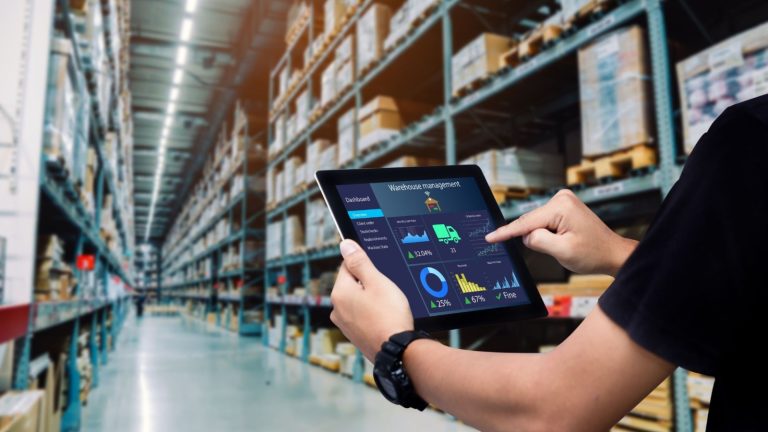
Supply chain management software is a digital system that connects, automates, and optimises every stage of the supply chain from procurement to final delivery.
Key Takeaways
- Supply chain management software centralises and optimises end-to-end operations.
- It improves visibility, forecasting accuracy, and operational efficiency.
- Automation and analytics drive measurable cost reduction and resilience.
- Integrated, cloud-based platforms create long-term competitive advantage.
Defining SCM Software as Digital Supply Chain Orchestration
Supply chain management software functions as a centralised control tower that coordinates purchasing, production, storage, and distribution in one unified environment.
What is unique about this? Rather than managing disconnected tools, organisations use SCM software solutions to orchestrate workflows and synchronise supply chain planning across departments. This digital orchestration ensures smoother information flow, reduced delays, and better alignment between supply and demand.
The Evolution From Manual Spreadsheets to Integrated Platforms
Do you remember businesses once relied on spreadsheets, emails, and paper-based records to manage orders and inventory? These fragmented systems created silos and costly errors.
When it comes to modern supply chain optimisation tools, they replaced manual tracking with automated, data-driven platforms. Today’s supply chain management software integrates purchasing, forecasting, warehousing, and logistics into a single, scalable ecosystem that enables real-time decision-making.
Core Purpose: Optimising Flow From Production to Consumption
As you can see, supply chain management software streamlines the movement of goods from suppliers to customers.
By enhancing coordination across production planning, distribution, and retail channels, your business can achieve faster delivery performance and stronger resource optimisation. The ultimate goal is balancing cost, speed, and service quality without sacrificing operational control.
Why Do Businesses Need Supply Chain Management Software?
Businesses need supply chain software to manage complexity, reduce risk, and meet rising customer expectations in fast-changing markets. Let us discover more of the advantages.
Meeting Rising Customer Expectations for Faster Delivery
You may have noticed that nowadays customers expect same-day or next-day shipping, accurate tracking, and consistent availability. Without real-time supply chain visibility, meeting these demands becomes difficult.
This is where supply chain management software enables proactive order fulfilment and improved customer satisfaction by monitoring inventory levels, shipment status, and fulfilment timelines in real time.
Managing Complexity in Global Supply Chain Operations
Global sourcing introduces multiple suppliers, currencies, regulations, and transportation networks. Coordinating these variables manually increases risk and inefficiency.
Through ERP supply chain integration, organisations connect procurement, warehousing, and finance into one streamlined platform. This ensures smooth supply chain collaboration across borders while maintaining compliance tracking and centralised oversight.
Staying Competitive in Volatile Market Conditions
We know that market shifts, sudden demand spikes, and geopolitical issues can disrupt supply chains overnight. However, businesses using supply chain management software leverage advanced data analytics and risk management capabilities to adapt quickly.
This is the point at which this flexibility builds supply chain resilience and strengthens competitive advantage even during economic uncertainty.
What Are the Core Purposes of SCM Software?
The primary purpose of SCM software is to provide visibility, reduce costs, and build resilient supply networks.
- End-To-End Supply Chain Visibility and Transparency
No need to mention that end-to-end visibility allows businesses to monitor products from raw materials to final delivery. With centralised dashboards and real-time visibility tools, leaders can detect bottlenecks early and improve decision-making.
This transparency enhances supply chain collaboration while reducing uncertainty and improving overall operational efficiency.
- Cost Optimisation Through Inventory and Logistics Management
Effective inventory optimisation prevents overstocking and stockouts, improving inventory turnover and cash flow. Let’s look at this from a practical perspective.
By integrating transportation management and warehouse management functions, your company can reduce unnecessary freight costs and storage expenses. Supply chain management software identifies inefficiencies and drives measurable cost reduction across the entire network.
- Risk Mitigation and Supply Chain Resilience Building
It is evident that disruptions such as supplier delays or natural disasters can halt operations. This is why modern platforms use predictive alerts to anticipate supply chain disruption before it escalates.
Moreover, this proactive approach strengthens supply chain resilience, ensures business continuity, and supports stronger supplier management relationships.
What Key Features Does SCM Software Provide?
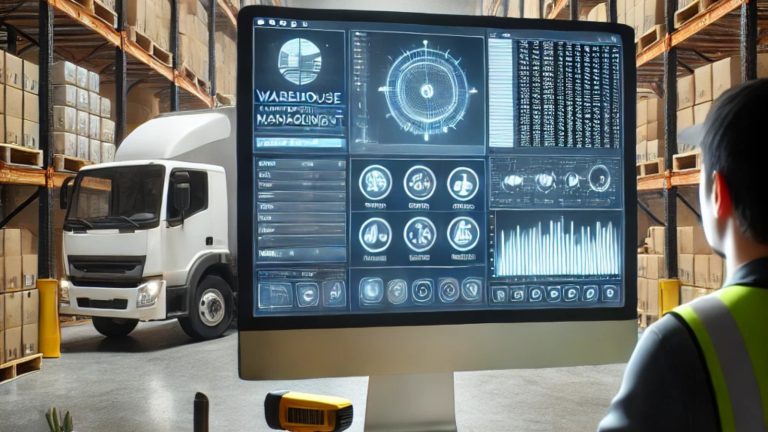
SCM software provides forecasting, inventory control, procurement, warehousing, and logistics coordination capabilities.
Demand Planning and Forecasting Capabilities
Advanced demand forecasting powered by AI predictive analytics and machine learning analyses historical trends and seasonal patterns. These insights improve supply chain planning and production planning accuracy.
This is the phase in which businesses align inventory levels with market demand, preventing waste and lost sales opportunities.
Inventory Management and Stock Optimisation
You may know that integrated inventory management systems monitor stock levels across multiple warehouses in real time. These automated alerts trigger replenishment before shortages occur.
Since it supports inventory optimisation strategies, companies can balance holding costs with service levels for stronger financial performance.
Procurement and Supplier Relationship Management
Modern procurement automation software streamlines the procurement process from purchase requests to supplier payments.
Here is why this truly matters. It centralises contracts, vendor performance metrics, and compliance tracking. Enhanced supplier management strengthens partnerships and reduces sourcing risk.
Warehouse Management and Order Fulfillment
When there is efficient warehouse management, it improves picking accuracy and reduces shipping delays. Moreover, automated workflows accelerate order fulfilment while minimising manual errors.
This way, businesses gain greater control over storage allocation, shipment preparation, and dispatch scheduling to improve delivery performance.
Transportation and Logistics Coordination
A unified logistics coordination platform manages carriers, routes, and freight costs. This is where integrated transportation management and IoT integration provide real-time shipment updates.
This synchronisation reduces delays, lowers fuel costs, and ensures consistent logistics coordination across domestic and global supply routes.
How Does SCM Software Reduce Business Costs?
SCM software reduces costs by eliminating inefficiencies, optimising inventory, and automating operations.
Identifying Inefficiencies in Procurement and Logistics
The software comes with data-driven dashboards that can analyse procurement spending and freight expenses to detect cost leaks. With real-time visibility into operations, managers can renegotiate supplier contracts and improve routing strategies.
This structured analysis drives sustainable cost reduction and smarter resource optimisation decisions.
Optimising Inventory Levels to Minimise Holding Costs
In the supply chain, there is one theory: Excess inventory ties up working capital, while shortages reduce revenue.
Using predictive algorithms, supply chain management software calculates optimal reorder points and safety stock levels. Improved inventory turnover strengthens cash flow while lowering warehousing expenses.
Reducing Waste Through Automated Supply Chain Processes
Its automated workflows have the power to replace repetitive manual data entry and disconnected approvals. This minimises errors, speeds approvals, and reduces production waste.
With such capacity in place, your company can improve operational efficiency while cutting administrative costs and excess material losses.
How Does SCM Software Improve Operational Efficiency?
SCM software improves operational efficiency by automating processes and synchronising real-time data across the supply chain.
Automating Repetitive Tasks and Manual Workflows
You may have noticed that manual invoice approvals, stock reconciliation, and shipment scheduling consume time. By introducing automated workflows, businesses streamline routine operations.
This is the turning point where automation reduces human error, accelerates decision-making, and increases operational efficiency across departments.
Real-Time Data Synchronisation Across Supply Chain Partners
Cloud-based solutions enable suppliers, manufacturers, and distributors to share synchronised information instantly. This real-time data exchange enhances supply chain collaboration and reduces miscommunication.
Plus, accurate shared data ensures faster responses to changes in demand or supply.
Eliminating Data Silos and Enabling Collaboration
Disconnected systems create inconsistent reporting and delayed decisions. However, centralised platforms integrate procurement, production, and logistics into a unified dashboard.
Since it is possible to eliminate data silos, companies gain end-to-end visibility and stronger cross-functional alignment.
What Role Does Visibility Play in SCM Software?

Visibility allows businesses to monitor inventory, shipments, and supplier performance in real time to prevent disruptions.
Real-Time Tracking of Materials and Products
IoT integration and centralised dashboards provide live shipment updates and inventory tracking. This way, businesses monitor goods at every stage of the supply chain, enabling quick intervention when delays occur.
Proactive Bottleneck Identification and Resolution
We know that advanced AI predictive analytics tools analyse supply trends to detect early warning signs. Your managers can adjust transportation routes, production schedules, or supplier allocations before minor issues escalate into full supply chain disruption events.
Transparent Communication With Suppliers and Customers
It is evident that shared digital portals improve supplier management transparency and strengthen supply chain collaboration. Customers receive accurate updates, improving trust and customer satisfaction levels.
How Does SCM Software Enhance Customer Satisfaction?
SCM software improves service levels by ensuring accurate, fast, and transparent order delivery.
On-Time Delivery Through Optimised Fulfilment Processes
When they streamline warehouse management and order fulfilment processes, businesses get the chance to meet promised deadlines consistently. In the meantime, optimised routing and production planning boost delivery performance and reduce customer complaints.
Accurate Order Tracking and Status Communication
Real-time visibility tools provide customers with shipment updates and estimated arrival times. And this is where smart planning pays off.
This means that transparent communication enhances trust and strengthens customer satisfaction across sales channels.
Faster Response Times to Demand Fluctuations
Machine learning models detect sudden changes in buying patterns. Companies adjust inventory and transportation management plans quickly, ensuring products remain available even during peak demand.
How Do AI and Predictive Analytics Transform SCM?

AI and predictive analytics enable smarter forecasting, proactive decisions, and disruption prevention.
Machine Learning for Accurate Demand Forecasting
When it comes to machine learning models, they analyse historical and real-time data analytics to refine demand forecasting accuracy. Improved predictions reduce waste and enhance inventory optimisation.
AI-Powered Insights for Proactive Decision-Making
AI predictive analytics identifies hidden trends across procurement, logistics coordination, and supplier management. Leaders gain actionable insights to support risk management and compliance tracking.
Predictive Maintenance and Disruption Prevention
Sensors powered by IoT integration monitor equipment health and shipment conditions. Early alerts prevent breakdowns and minimise supply chain disruption risks.
What Is the Relationship Between SCM and ERP Software?
SCM often functions as a specialised module within ERP systems to unify enterprise operations.
SCM as Specialised Supply Chain Modules Within ERP
Many ERP platforms include integrated SCM modules to connect finance, procurement process, and production planning workflows. This alignment supports ERP supply chain integration for seamless data exchange.
Integration Benefits for Unified Business Operations
Unified systems eliminate duplication and enhance operational efficiency. Finance teams access logistics data, while procurement tracks inventory optimisation metrics in real time.
When to Use Standalone SCM Versus Integrated ERP Solutions
Large enterprises may require standalone systems for complex supply networks, while mid-sized firms benefit from integrated platforms.
As you can see, the choice depends on scalability, customisation needs, and long-term strategic growth.
How Does Cloud-Based SCM Software Drive Agility?
Cloud-based platforms provide scalability, flexibility, and cost savings to drive agility.
Scalability to Adapt to Business Growth and Market Changes
Cloud-based solutions scale automatically as demand increases. Companies expand supplier networks and distribution channels without heavy infrastructure investment.
Real-Time Collaboration Across Distributed Supply Chains
Distributed teams access centralised dashboards securely from any location. This enhances supply chain collaboration and accelerates global decision-making.
Cost Savings From Reduced Infrastructure Investments
Cloud deployment reduces hardware costs and maintenance expenses. Businesses focus investments on innovation rather than IT infrastructure.
What Challenges Can SCM Software Address?

SCM software addresses forecasting errors, disruptions, and inventory imbalances.
- Demand Volatility and Inaccurate Forecasting- Advanced demand forecasting tools reduce planning errors and support supply chain planning accuracy.
- Supply Chain Disruptions and Supplier Delays-Risk management dashboards identify supplier management risks early and prevent escalation.
- Inventory Imbalances and Cash Flow Issues-Inventory optimisation algorithms improve inventory turnover and free up working capital.
Why Choose Tigernix for Supply Chain Management Solutions?
TigernixERP is a robust Enterprise Resource Planning Software Solution in Singapore that delivers an integrated ERP-driven supply chain transformation.
Integrated ERP With Comprehensive SCM Modules
Tigernix provides fully integrated ERP supply chain integration capabilities tailored for complex operations, covering all important points in your supply chain.
Procurement, Warehouse, and MRP Systems for Complete Control
From procurement automation software to warehouse management and MRP tools, Tigernix ensures full operational oversight. You will receive a comprehensive view of all your operations under a single dashboard through TigernixERP.
Real-Time Analytics and AI-Powered Supply Chain Optimisation
Since our software is powered by Industry 4.0 digital capabilities such as advanced data analytics and AI predictive analytics, our ERP can empower smarter decisions and sustainable competitive advantage without leaving room for delays.
Ready to Transform Your Supply Chain Operations?
Modern supply chains require intelligent, connected, and predictive technology to thrive. Is your company ready for this transformation?
Discover Tigernix’s Integrated Supply Chain Management Platform
Tigernix offers a comprehensive supply chain management software platform designed for agility and control. Your company’s all departments can work together under one digital canopy to make your supply chain management perfect now.
Learn How SCM Software Can Reduce Costs by 25% and Improve Efficiency.
Companies leveraging supply chain management software often achieve measurable cost reduction and higher operational efficiency. With our experience in the industry, we assure you that our software solution reduces costs upto 25% while improving your company’s efficiency.
Request a Consultation to Optimise Your Supply Chain With Smart Solutions
Connect with Tigernix experts to unlock advanced supply chain resilience strategies and long-term performance gains.
Call for a free demo today.
Tigernix- For An Excellent Supply Chain Management.
FAQs About Supply Chain Management Software
The main purpose of supply chain management software is to centralise, automate, and optimise supply chain activities from procurement to delivery. It improves visibility, reduces operational costs, enhances forecasting accuracy, and strengthens decision-making through real-time data insights across the entire supply network.
Supply chain management software improves cost control by identifying inefficiencies in procurement, warehousing, and transportation. It optimises inventory levels, reduces waste, automates manual processes, and provides data-driven insights that help businesses lower operating expenses while maintaining service quality and profitability.
Yes, small and medium businesses benefit significantly from supply chain management software because it streamlines operations, improves inventory accuracy, and enhances forecasting. Cloud-based platforms provide scalable, affordable tools that support growth without requiring large upfront infrastructure investments.
Businesses should look for demand forecasting, inventory management, procurement automation, warehouse control, and transportation tracking features. Strong analytics, real-time visibility, integration with ERP systems, and AI-driven forecasting capabilities are essential for improving supply chain performance and long-term scalability.
Supply chain management software helps prevent disruptions by offering real-time monitoring, predictive analytics, and risk alerts. It identifies potential supplier delays, inventory shortages, or logistics bottlenecks early, allowing businesses to take proactive action and maintain continuity in operations.