

In modern business, success depends on how well companies control what flows through their operations, from raw materials to finished goods. One late shipment can halt your entire production ecosystem and result in 10%–20% of potential revenue being lost. One excess order can freeze working capital. That is why materials management is more than a back-office task; it is actually a strategic driver of growth, efficiency, and resilience.
If you have ever wondered how companies maintain smooth material flow, reduce costs, and ensure products reach customers on time, the answer often lies in a strong materials management framework.
In this article, let’s break down what it really means, how it connects to the broader supply chain, and why businesses that master it outperform their competitors.
We will discover
- What Is Materials Management?
- Why Is Materials Management Critical for Business Success?
- What Are the Five Key Components of Materials Management?
- How Does Materials Management Fit into Supply Chain Management?
- What Is Material Requirements Planning (MRP) and Its Role?
- How Does the Materials Management Process Work?
- What Are the Objectives of Effective Materials Management?
- Who Is Responsible for Materials Management?
- What Are the Benefits of Strong Materials Management?
- What Challenges Arise in Materials Management?
- How Does Just-in-Time (JIT) Relate to Materials Management?
- How Can Technology Improve Materials Management?
- FAQs About Materials Management
What Is Materials Management?
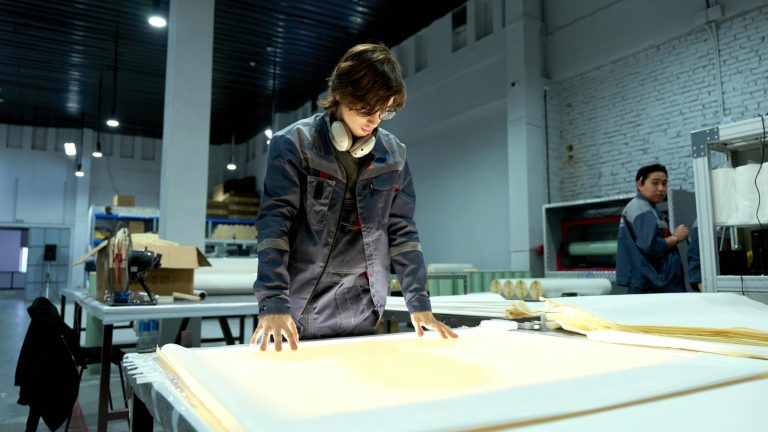
Materials management is the systematic planning, sourcing, storing, controlling, and movement of materials to ensure the right materials are available at the right time, in the right quantity, at the right cost.
Key Takeaways
- Risk analysis turns uncertainty into structured, manageable action.
- Prioritising risks ensures resources focus on what truly threatens the business.
- Clear documentation and response planning reduce financial and operational disruption.
- Ongoing monitoring keeps your business resilient in a changing environment.
Defining Materials Management as a Core Supply Chain Function
Materials management is a critical function within the supply chain that oversees material acquisition, storage, usage, and distribution.
It ensures production requirements are met without disruption. By aligning material planning with production planning, companies maintain consistent material flow, reduce inefficiencies, and achieve long-term cost optimisation across operations.
The Strategic Coordination of Material Acquisition to Utilisation
At its core, materials management coordinates material sourcing, the procurement process, storage management, and final consumption. What is more, it aligns demand forecasting, supplier capabilities, and lead times to prevent shortages or overstocking.
Further, strategic coordination improves inventory turnover, strengthens supply continuity, and ensures materials move efficiently from suppliers to production floors.
How Materials Management Bridges Procurement and Production
If you wonder how materials management connects purchasing teams with manufacturing units, it happens by synchronising procurement management with shop-floor needs.
It translates bill of materials data into actionable purchase orders while tracking stock levels and supplier commitments. This bridge ensures uninterrupted production planning, seamless logistics coordination, and consistent output quality.
Why Is Materials Management Critical for Business Success?
Materials management ensures companies reduce costs, avoid production delays, improve operational efficiency, and maintain reliable customer delivery performance.
Ensuring Uninterrupted Production and On-Time Delivery
Without effective materials management, production lines stall.
By aligning production requirements with accurate demand forecasting and supplier timelines, businesses maintain steady operations. Timely material sourcing prevents downtime, protects operational efficiency, and ensures customer orders are delivered without costly delays.
Minimising Inventory Costs and Reducing Material Waste
Strong inventory management and inventory control optimisation help businesses avoid excess carrying costs. When your company keeps monitoring stock levels, tracking usage patterns, and applying smart material planning, it can reduce spoilage, shrinkage, and obsolescence.
Plus, efficient processes directly contribute to waste reduction and sustainable cost optimisation.
Building Resilient Supply Chains and Competitive Advantage
The main reason why a company needs the latter is that a resilient supply chain materials management strategy protects companies from disruptions. What does this mean?
Through proactive supplier management, diversified material sourcing, and visibility into lead times, organisations can maintain continuity during crises. This resilience strengthens market reputation, ensures supply continuity, and builds lasting competitive advantage.
What Are the Five Key Components of Materials Management?
The five key components of materials management are planning, procurement, inventory control, material handling, and quality assurance.
- Material Requirements Planning and Demand Forecasting
Material requirements planning MRP uses production planning, historical data, and forecasts to calculate future material needs. As it can analyse the bill of materials, lead times, and existing inventory, MRP determines accurate order quantities.
This structured material planning supports proactive demand forecasting and reduces uncertainty in procurement.
- Procurement and Supplier Relationship Management
The procurement management process involves vendor selection, negotiations, and issuing purchase orders. Let’s look at this from a practical perspective.
Strong supplier management ensures reliable quality, competitive pricing, and dependable lead times. Building long-term partnerships enhances collaboration, supports supply continuity, and strengthens the overall supply chain network.
- Inventory Control and Warehouse Management
When there is effective inventory management, it is possible to track stock levels, safety stock, and replenishment cycles. Integrated warehouse management systems monitor movement, improve inventory turnover, and reduce holding costs.
Together, they support inventory control optimisation, ensuring materials are available without tying up excess capital.
- Material Handling and Logistics Coordination
Before moving forward, consider this. Efficient warehouse materials handling ensures safe and timely movement of goods within facilities.
Coordinated material handling and logistics coordination reduces delays, damage, and inefficiencies. Streamlined processes maintain steady material flow from receiving docks to production lines.
- Quality Assurance and Material Inspection
Robust quality control verifies that incoming materials meet specifications before entering production. Inspection processes reduce defects, minimise rework, and protect final product standards.
Not to mention that effective materials management integrates quality checks within the procurement process to safeguard operational performance.
How Does Materials Management Fit into Supply Chain Management?
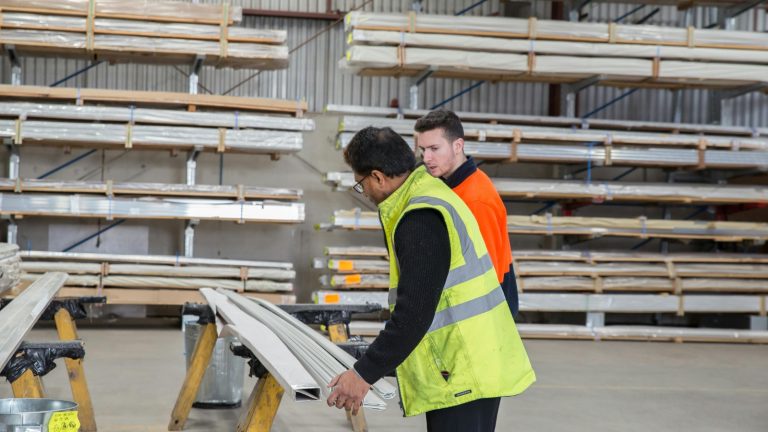
Materials management operates within supply chain management by planning and controlling material movement from suppliers to production. Let us discover its different shapes.
Materials Management as Supply Chain Planning and Execution
Within the broader supply chain, materials management focuses on tactical execution. This means that it transforms strategy into action through coordinated material planning, purchasing, and distribution.
This integration ensures synchronised material flow and consistent alignment between operations and supply networks.
Coordinating Material Flow Across the Extended Supply Chain
Modern businesses rely on extended networks. On the surface, it seems simple.
However, effective supply chain materials management tracks materials across multiple tiers. By monitoring shipments, suppliers, and lead times, companies ensure transparency, reduce risks, and maintain steady distribution channels.
The Relationship Between SCM, Operations, and Materials Management
Supply chain strategy defines direction, while materials management executes daily operations. It aligns production planning, procurement process, and warehouse management to meet strategic goals.
You will notice that this coordination strengthens operational efficiency and ensures smooth transitions between procurement and manufacturing.
What Is Material Requirements Planning (MRP) and Its Role?
Material requirements planning MRP is a system that calculates required materials based on production schedules, inventory data, and supplier lead times to ensure timely availability.
Calculating Material Needs Based on Production Schedules
Did you know that material requirements planning MRP has the capacity to convert production planning schedules into detailed material demand?
It analyses planned output and determines the quantity of raw materials required. Since it can map product structures to time-phased needs, MRP ensures accurate material planning and eliminates guesswork from procurement decisions.
Integrating BOM, Inventory Levels, and Lead Times
MRP integrates the bill of materials, real-time stock levels, and supplier lead times to determine net material requirements. It subtracts existing inventory and scheduled receipts before generating recommendations.
This precise calculation improves inventory management, supports cost optimisation, and strengthens supply continuity by preventing unexpected shortages.
Automating Purchase Orders and Production Planning
You can see that modern MRP systems automate purchase orders, reorder triggers, and shop-floor schedules. Through intelligent ERP integration, they synchronise material availability with production timelines.
This is where automation reduces human error, accelerates the procurement process, and improves overall operational efficiency.
How Does the Materials Management Process Work?
The materials management process follows five core steps: planning, procurement, storage, distribution, and quality control.
Step 1 – Planning: Forecasting Material Requirements
Planning begins with accurate demand forecasting and evaluation of production requirements. Businesses analyse sales data, seasonal trends, and market signals to estimate future material demand.
At this phase, strategic material planning ensures sufficient supply while maintaining optimal stock levels and preventing overinvestment in excess inventory.
Step 2 – Procurement: Sourcing and Purchasing Materials
During procurement, organisations execute the procurement management process, selecting suppliers and negotiating contracts. Effective material sourcing ensures quality, price stability, and reliable lead times.
Approved suppliers receive automated purchase orders, ensuring smooth transitions from planning to execution.
Step 3 – Storage: Warehousing and Inventory Management
Upon receipt, materials are entered into controlled warehouse management systems.
Here is when proper storage management prevents spoilage and damage while enabling accurate material tracking. Smart layout design and automated systems improve inventory turnover and support ongoing inventory control optimisation.
Step 4 – Distribution: Coordinating Material Delivery to Production
In this stage, materials are moved from storage to production through efficient logistics coordination. Controlled material handling ensures timely supply to workstations.
Moreover, proper scheduling prevents bottlenecks and maintains continuous material flow throughout the manufacturing cycle.
Step 5 – Quality Control: Ensuring Material Standards
Final verification by quality control confirms that the materials meet the required specifications.
Inspection reduces defects and ensures compliance with standards before use. Integrating quality checks within materials management protects product integrity and minimises rework.
What Are the Objectives of Effective Materials Management?
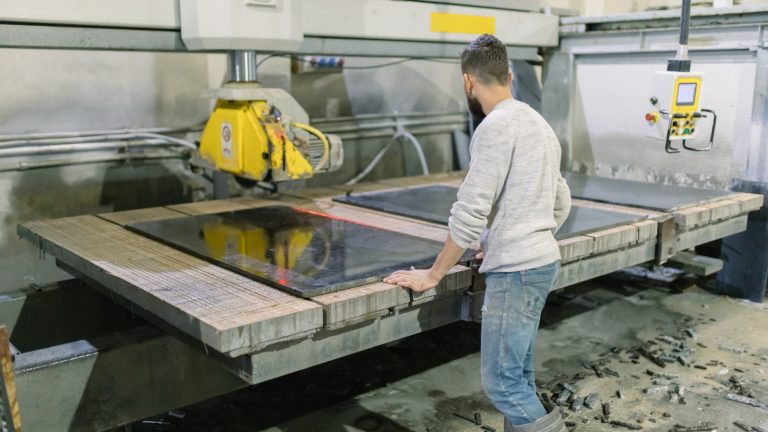
The main objective of materials management is to ensure materials are available in the right quantity, quality, time, and cost.
- Maintaining Optimal Inventory Levels to Balance Costs
Balancing availability with affordability requires constant monitoring of stock levels.
Through proactive inventory management and data-driven forecasting, businesses reduce excess holding costs while avoiding stockouts. Optimised inventory turnover supports liquidity and strengthens financial stability.
- Securing Best Quality Materials at Competitive Prices
This is the phase in which strategic supplier management and careful material sourcing help organisations secure premium materials at competitive rates. Strong vendor relationships improve negotiation leverage and ensure consistent quality standards.
- Ensuring Timely Availability of Materials for Production
Timely availability depends on synchronised material planning, supplier reliability, and controlled lead times. Accurate forecasting prevents delays and maintains seamless production planning, ensuring consistent output and customer satisfaction.
- Minimising Waste and Maximising Resource Utilisation
We all know that efficient processes reduce excess ordering, spoilage, and scrap.
By focusing on waste reduction, businesses improve operational efficiency and sustainability. Strategic planning aligns purchasing with actual consumption patterns for long-term cost optimisation.
Who Is Responsible for Materials Management?
A materials manager leads materials management, collaborating with procurement, production, and logistics teams.
Materials Manager Roles and Key Responsibilities
Why is a materials manager there?
A materials manager oversees planning, procurement, and inventory management. Core materials manager responsibilities include coordinating material acquisition, supervising warehouse management, and monitoring supplier performance. Also, they ensure consistent material flow and maintain optimal stock levels to support production continuity.
Collaboration Between Procurement, Production, and Logistics Teams
Effective materials management requires cross-functional coordination.
Procurement handles supplier contracts, production defines production requirements, and logistics manages distribution and material handling. Seamless communication strengthens the entire supply chain ecosystem.
Skills and Qualifications for Materials Management Professionals
Strong leadership and decision-making abilities ensure resilience in dynamic environments.
That is why professionals need analytical thinking, negotiation expertise, and ERP proficiency. Knowledge of material requirements planning MRP, forecasting, and supplier evaluation is essential.
What Are the Benefits of Strong Materials Management?
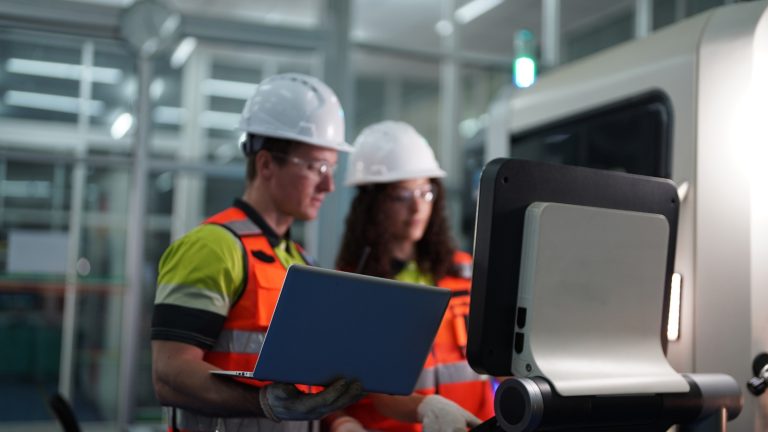
Strong materials management reduces costs, improves efficiency, and strengthens supply chain performance.
Cost Reduction Through Optimised Procurement and Inventory
Optimised purchasing and controlled inventory management drive measurable savings. Smart planning reduces excess inventory, minimises emergency purchases, and enhances cost optimisation.
This way, businesses gain financial flexibility and higher profitability.
Improved Production Efficiency and Reduced Downtime
Reliable material availability prevents disruptions. Controlled material flow and precise scheduling improve operational efficiency and eliminate idle production time.
Enhanced Supplier Relationships and Supply Chain Resilience
Strong supplier management builds trust and collaboration. Diversified sourcing strategies reduce dependency risks and strengthen supply continuity during disruptions.
Better Customer Satisfaction Through Reliable Delivery
Consistent distribution and stable production output ensure timely customer fulfilment. This marks the stage where reliable systems boost brand reputation and loyalty.
What Challenges Arise in Materials Management?
Common challenges include demand volatility, supplier delays, inventory imbalance, and coordination complexity.
- Demand Volatility and Forecasting Inaccuracies
It is evident that inaccurate demand forecasting leads to excess inventory or shortages. Sudden market shifts disrupt planning and strain resources.
- Supplier Delays and Quality Inconsistencies
Unpredictable lead times and inconsistent quality affect supply continuity. Strong monitoring and backup suppliers reduce exposure.
- Inventory Imbalances: Overstocking and Stockouts
Poor inventory management results in tied-up capital or halted production. Continuous inventory control optimisation balances supply with demand.
- Coordination Complexities Across Multiple Departments
Misaligned departments create communication gaps. Integrated systems improve visibility and streamline the procurement process and production alignment.
How Does Just-in-Time (JIT) Relate to Materials Management?
Just-in-time materials delivery ensures materials arrive exactly when needed to minimise inventory costs.
Delivering Materials Exactly When Needed for Production
Just-in-time materials delivery reduces storage needs by synchronising supply with production schedules. Accurate forecasting and reliable suppliers are essential.
Reducing Inventory Holding Costs and Storage Requirements
There is strong evidence that JIT lowers carrying costs, improves inventory turnover, and minimises storage management expenses.
Managing JIT Risks Through Materials Management Expertise
Without strong materials management, JIT increases risk. Buffer strategies, real-time monitoring, and diversified sourcing protect operations from disruption.
How Can Technology Improve Materials Management?
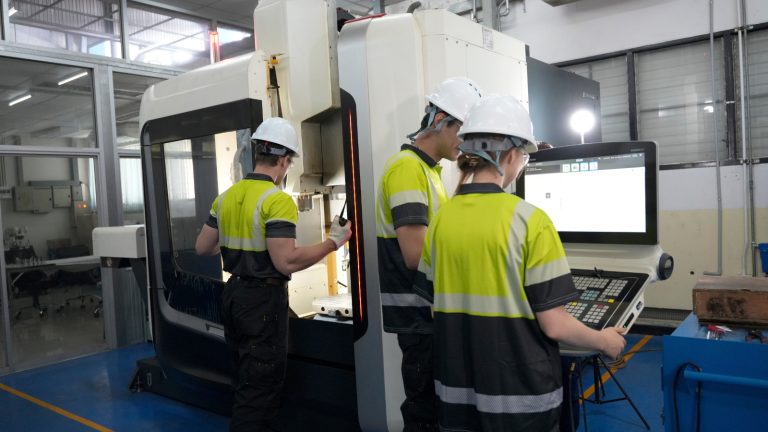
Technology enhances visibility, automation, forecasting accuracy, and control across materials management operations.
ERP Systems With Integrated Materials Management Modules
Modern ERP platforms with full ERP integration unify procurement, MRP, and inventory management. This is when Tigernix offers a powerful ERP that integrates a dedicated material requirements planning MRP module. This integration ensures synchronised production planning, automated purchasing, and real-time material visibility.
Automated Inventory Tracking With IoT and RFID Technology
Advanced material tracking using IoT and RFID improves accuracy. Automated systems reduce human error, monitor stock levels, and enhance warehouse precision.
AI and Predictive Analytics for Demand Forecasting
AI-driven tools analyse historical data to refine demand forecasting. Predictive insights improve material planning and reduce waste.
Real-Time Dashboards for Materials Visibility and Control
Live dashboards provide full visibility into material flow, supplier performance, and procurement status, enabling proactive decisions.
Why Choose Tigernix for Materials Management Solutions?
Tigernix provides an integrated ERP solution that strengthens materials management through automation, visibility, and advanced MRP capabilities.
Comprehensive ERP With MRP and Inventory Management Modules
Tigernix ERP integrates material requirements planning MRP, procurement, and inventory management within one platform. This unified system enhances decision-making, reduces manual errors, and ensures seamless coordination across departments.
Automated Material Planning and Procurement Workflows
Automated workflows streamline the procurement process, generate purchase orders, and maintain optimal stock levels without manual intervention.
Real-Time Visibility Across Supply Chain and Production Operations
Tigernix enables complete oversight of the supply chain, from material sourcing to final distribution, ensuring transparency and agility.
Ready to Optimise Your Materials Management?
Transform your operations with intelligent, automated materials management powered by Tigernix ERP.
Discover Tigernix’s Integrated ERP Materials Solutions
If you connect with our consultants, you can explore how Tigernix simplifies materials management with integrated MRP, procurement, and warehouse tools.
Request a Consultation to Transform Your Supply Chain Efficiency
Take the next step toward resilient operations and enhanced operational efficiency with Tigernix’s ERP solutions.
Call for a free demo.
Tigernix- Smart Material Management In Your Hands.
FAQs About Materials Management
The main purpose of materials management is to ensure the right materials are available in the right quantity, at the right time, and at the lowest possible cost. It supports smooth production, improves inventory management, strengthens supply continuity, and drives overall operational efficiency.
Materials management focuses specifically on planning, sourcing, storing, and controlling materials within an organisation. Supply chain management covers the entire network, including suppliers, manufacturers, distributors, and customers. Materials management is a core operational component within the broader supply chain strategy.
Material requirements planning MRP is a system that calculates how much material is needed and when it should be ordered. It uses production schedules, inventory data, and lead times to generate purchase orders and ensure materials are available for uninterrupted production.
Inventory control is important because it prevents overstocking and stockouts. Effective inventory management maintains optimal stock levels, improves inventory turnover, reduces holding costs, and ensures timely material flow to production. Strong inventory control directly supports cost optimisation and supply chain stability.
ERP systems improve materials management by integrating procurement, MRP, inventory tracking, and production planning into one platform. This ERP integration enables real-time visibility, automated purchase orders, accurate demand forecasting, and improved coordination across departments, reducing manual errors and increasing operational efficiency.