In today’s fast-moving digital economy, businesses are under pressure to become faster, smarter, and more accurate. That is where e-invoicing comes in. Instead of relying on paper or PDFs, companies now exchange invoices digitally using structured data that systems can read automatically.
According to recent industry reports, over 80 countries have already introduced or are planning e-invoicing mandates, and businesses using digital invoicing can reduce processing costs by 60–80%. These numbers show a clear shift toward automation and compliance.
So, what is e-invoicing? In simple terms, it is the process of sending invoices directly from one system to another in a structured, digital format.
This article will break down everything, from the e-invoice meaning to technologies, benefits, and compliance requirements, so you can fully understand how it works.
We will explore
- What Is E-Invoicing and Why Does It Matter?
- How Does E-Invoicing Work?
- What Makes a True E-Invoice?
- What Technologies Power E-Invoicing Systems?
- How E-Invoicing Supports Accounts Payable Automation
- What Are the Main Benefits of E-Invoicing?
- What Are the Compliance and Regulatory Requirements for E-Invoicing?
- What Is the Peppol network and Why Is It Important?
- What Challenges Can Businesses Face When Adopting E-Invoicing?
- How Can Businesses Get Started With E-Invoicing?
- Why E-Invoicing Is the Future of Financial Operations
- FAQs About E-Invoicing
What Is E-Invoicing and Why Does It Matter?
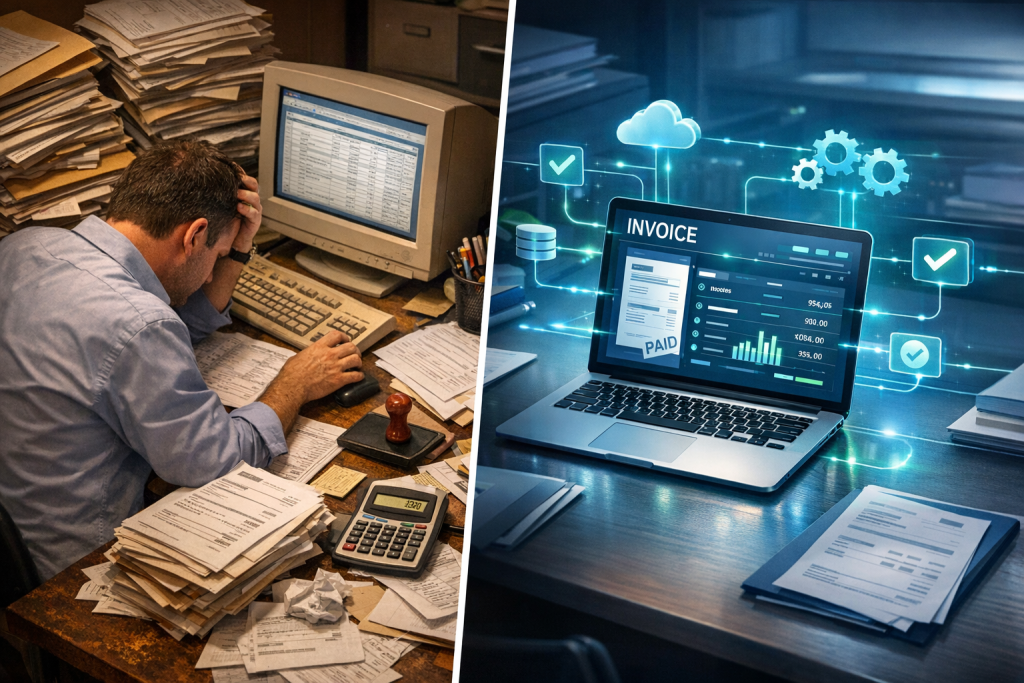
E-invoicing is the automated exchange of invoice data between systems in a structured format. It matters because it improves speed, accuracy, compliance, and efficiency while reducing manual work and operational costs.
Key Takeaways
- E-invoicing replaces manual invoicing with automated, machine-readable invoices, improving speed, accuracy, and efficiency across financial operations.
- Businesses can reduce manual errors, achieve faster payment cycles, and improve cash flow through automated invoice processing and seamless system integration.
- Compliance is a major driver, as e-invoicing regulations, tax compliance, GST compliance, and real-time reporting requirements continue to expand globally.
- Technologies like XML invoice format, EDI invoicing, ERP integration, and the Peppol network enable secure, standardised, and scalable digital invoice exchange.
E-Invoice Meaning Explained in Simple Terms
The e-invoice meaning refers to a digital invoice that is created, sent, and processed automatically between systems.
Unlike traditional invoices, an e-invoice is not just a file. It contains structured invoice data that can be instantly read and processed without human input, saving time and reducing errors.
How Electronic Invoicing Differs From Traditional Invoicing
Traditional invoicing relies on paper or PDFs that require manual entry, which often leads to delays. In contrast, electronic invoicing uses machine-readable invoices that systems can process automatically.
As you can see, this eliminates repetitive tasks and ensures data accuracy across financial systems, making operations more efficient and reliable.
Why Businesses Are Prioritising E-Invoicing
Businesses are rapidly adopting e-invoicing because it enables invoice automation, improves transparency, and supports digital transformation.
With increasing regulatory pressure and the need for efficiency, companies are moving toward automated systems that reduce manual work and provide real-time financial visibility.
How Does E-Invoicing Work?
E-invoicing works by generating, sending, and processing invoices in a structured digital format that systems can read automatically. It removes manual steps and enables faster, more accurate financial transactions.
Creating Structured Invoice Data
The first step in e-invoicing is generating invoices using structured invoice data.
This means the invoice is formatted in a way that systems can understand, including details like supplier, buyer, taxes, and amounts. This structure allows seamless processing without manual data entry.
Sending Machine-Readable Invoices Between Systems
Once created, invoices are sent through a digital invoice exchange system. These machine-readable invoices move directly from the seller’s system to the buyer’s system.
The latter ensures fast delivery and eliminates delays caused by emails, printing, or manual handling.
Processing Invoices Through Automated Workflows
With automated invoice processing, invoices are automatically validated, approved, and matched with purchase orders.
This reduces delays and ensures accuracy. Businesses benefit from faster approvals and reduced administrative workload, making the entire invoicing cycle more efficient.
Where XML and EDI Fit Into the Process
You will notice that technologies such as the XML invoice format and EDI invoicing play a key role in standardising data exchange.
XML provides a structured format for data, while EDI enables secure system-to-system communication. Together, they ensure invoices are processed quickly and accurately across different platforms.
What Makes a True E-Invoice?
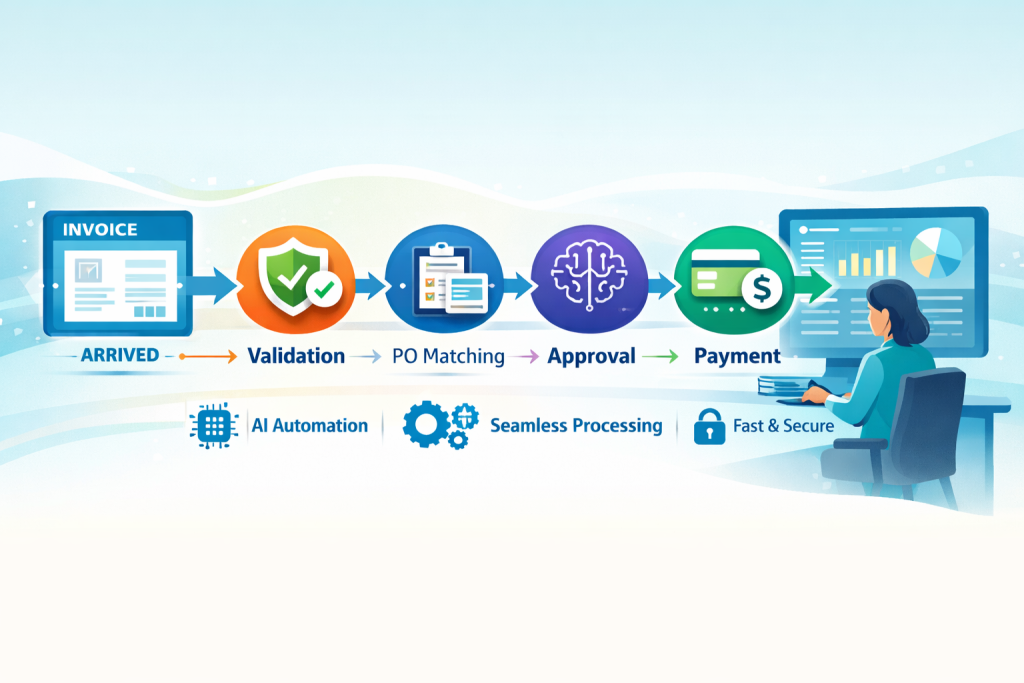
A true e-invoice is a structured digital document that can be automatically processed by systems. It is different from PDFs or scanned invoices because it contains machine-readable data that enables automation and integration.
Key Features of a Valid E-Invoice
- Uses structured invoice data that systems can read and process automatically
- Follows standardised formats such as XML invoice format or EDI invoicing
- Is a machine-readable invoice, not a PDF or scanned document
- Enables seamless digital invoice exchange between buyer and seller systems
- Integrates with business systems through ERP integration and accounting system integration
- Supports automated invoice processing with minimal manual intervention
- Ensures accuracy to help reduce manual errors and avoid duplication
- Includes all mandatory tax details to support tax compliance and GST compliance
- Meets local and global e-invoicing regulations requirements
- Allows real-time reporting to tax authorities where required
- Can be processed within an invoice processing system for validation and approval workflows
- Enhances security with controlled access, validation, and audit trails
- Improves efficiency, contributing to faster payment cycles and better financial control
What Is Not Considered E-Invoicing
Not all digital invoices qualify as e-invoicing.
PDFs, scanned documents, and email attachments lack structured invoice data and cannot be processed automatically.
These formats still require manual input, which defeats the purpose of automation and efficiency.
Why Structured Data Is Essential
Structured invoice data is essential because it allows systems to read and process information instantly.
Without structure, invoices cannot be automated. A proper invoice processing system relies on structured data to validate, approve, and record transactions efficiently.
What Technologies Power E-Invoicing Systems?
E-invoicing systems are powered by technologies like XML, EDI, and cloud platforms. These tools enable secure data exchange, automation, and integration with financial systems.
XML Invoice Format and Standardised Data Exchange
The XML invoice format is widely used because it structures invoice data consistently.
This ensures compatibility across systems and supports automation. XML helps businesses process invoices faster while maintaining accuracy and compliance with global standards.
EDI Invoicing and Point-to-Point Connections
EDI invoicing allows businesses to exchange invoices directly between systems through secure connections. It is commonly used by large enterprises that require high-volume transactions.
This method improves speed, reliability, and security in invoice processing.
E-Invoicing Software and Cloud-Based Platforms
Modern e-invoicing software provides cloud-based solutions that simplify invoice management. These platforms support automation, compliance, and scalability. Businesses can send, receive, and track invoices in real time, improving efficiency and reducing operational complexity.
ERP Integration and Accounting System Integration
ERP integration and accounting system integration ensure that invoice data flows seamlessly between systems.
This eliminates duplication and improves accuracy. Integrated systems enable better financial control and support real-time decision-making across business operations.
How E-Invoicing Supports Accounts Payable Automation
E-invoicing plays a key role in accounts payable automation by eliminating manual tasks, improving accuracy, and speeding up invoice approvals. It transforms traditional finance operations into faster, smarter, and more efficient workflows.
Reducing Manual Work in AP Teams
One of the biggest advantages of accounts payable automation is reducing repetitive manual tasks.
With e-invoicing, finance teams no longer need to enter invoice data manually.
This frees up time for strategic work and improves productivity while minimising operational delays and human dependency.
Matching Invoices, Purchase Orders, and Payments
An automated system can match invoices with purchase orders and receipts instantly. This is powered by automated invoice processing, which ensures accuracy and prevents discrepancies.
It also speeds up approvals, helping businesses maintain smoother financial workflows and stronger vendor relationships.
Building a Smarter Invoice Processing System
A modern invoice processing system integrates data, workflows, and approvals into one platform. With e-invoicing, businesses gain real-time visibility into invoice status, enabling better control, faster decisions, and improved financial management across departments.
What Are the Main Benefits of E-Invoicing?
The main benefits of e-invoicing include faster payments, fewer errors, lower costs, and better financial visibility. It helps businesses operate more efficiently while improving compliance and scalability.
Faster Payment Cycles and Better Supplier Relationships
With faster payment cycles, businesses can process invoices quickly and pay suppliers on time. This improves trust and strengthens partnerships.
Automated workflows ensure invoices are delivered and approved instantly, reducing delays. It also enhances collaboration between buyers and suppliers.
Reduce Manual Errors and Improve Accuracy
Manual invoicing often leads to mistakes, but e-invoicing helps reduce manual errors significantly.
Since data is transferred automatically between systems, there is less risk of duplication or incorrect entries, leading to more accurate financial records and fewer disputes.
Improve Cash Flow and Financial Visibility
Invoice automation reduces costs associated with printing, postage, storage, and manual labour. Businesses can save up to 60–80% in processing costs, making e-invoicing a cost-effective solution that improves efficiency while supporting long-term scalability.
Lower Costs Through Invoice Automation
The main benefits of e-invoicing include faster payments, fewer errors, lower costs, and better financial visibility. It helps businesses operate more efficiently while improving compliance and scalability.
What Are the Compliance and Regulatory Requirements for E-Invoicing?
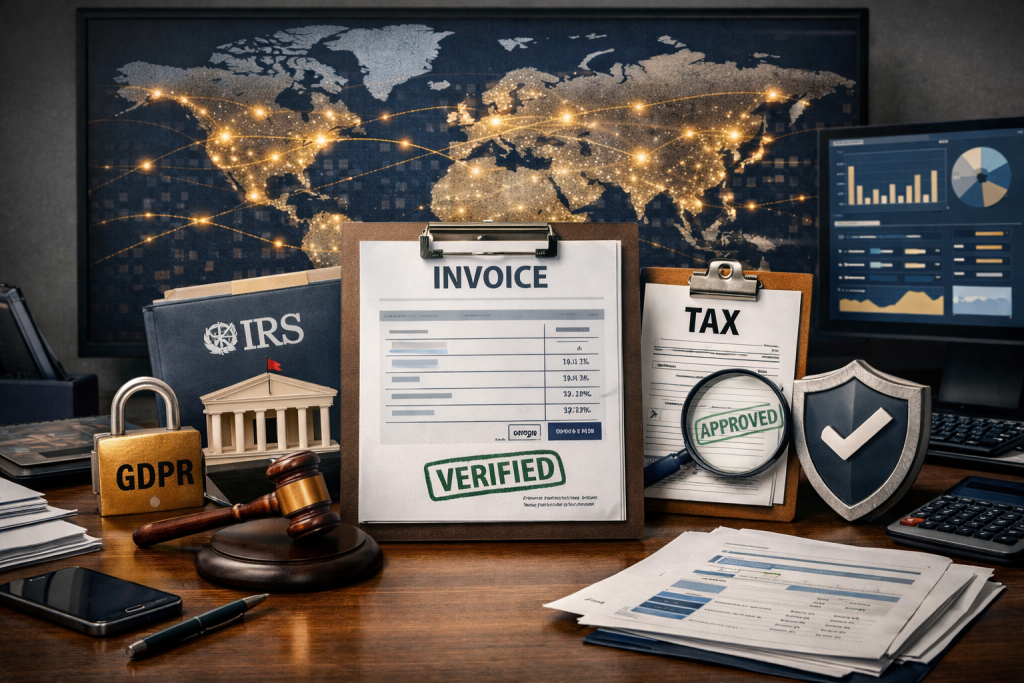
Compliance is a major driver of e-invoicing adoption. Governments worldwide are introducing regulations to improve transparency, reduce fraud, and ensure accurate tax reporting.
Why Tax Compliance Is Driving Global Adoption
Tax compliance is one of the main reasons governments are mandating e-invoicing.
That is why digital invoices provide accurate, real-time data, making it easier for authorities to monitor transactions, reduce tax evasion, and improve overall financial transparency.
GST Compliance and Transaction Accuracy
In many countries, GST compliance requires accurate invoice reporting. Did you know this?
E-invoicing ensures that all transactions are recorded correctly, reducing errors during tax filing. This helps businesses avoid penalties while maintaining compliance with evolving tax regulations.
E-Invoicing Regulations Businesses Need to Watch
Global e-invoicing regulations are expanding rapidly, with many countries implementing mandatory systems.
Businesses must stay updated on these requirements to ensure compliance. Adopting e-invoicing early helps organisations avoid disruptions and maintain smooth operations.
The Role of Real-Time Reporting
Real-time reporting is becoming a standard feature in many e-invoicing systems. Governments require businesses to submit invoice data instantly or within specific timelines. This improves transparency, reduces fraud, and enhances the efficiency of tax administration systems.
What is the Peppol network and Why Is It Important?
The Peppol network is a global framework that standardises digital invoice exchange. It enables secure, structured communication between businesses and governments, making cross-border transactions easier and more efficient.
The Role of Real-Time Reporting
The Peppol network uses standardised formats to ensure compatibility between systems.
This allows businesses to exchange invoices seamlessly without worrying about different formats or systems, improving efficiency and reducing integration challenges.
The Role of Real-Time Reporting
When using the Peppol network, businesses can send invoices internationally with ease. It supports interoperability, ensuring invoices are accepted across different regions.
This is especially valuable for companies operating in multiple markets or expanding globally.
What Challenges Can Businesses Face When Adopting E-Invoicing?
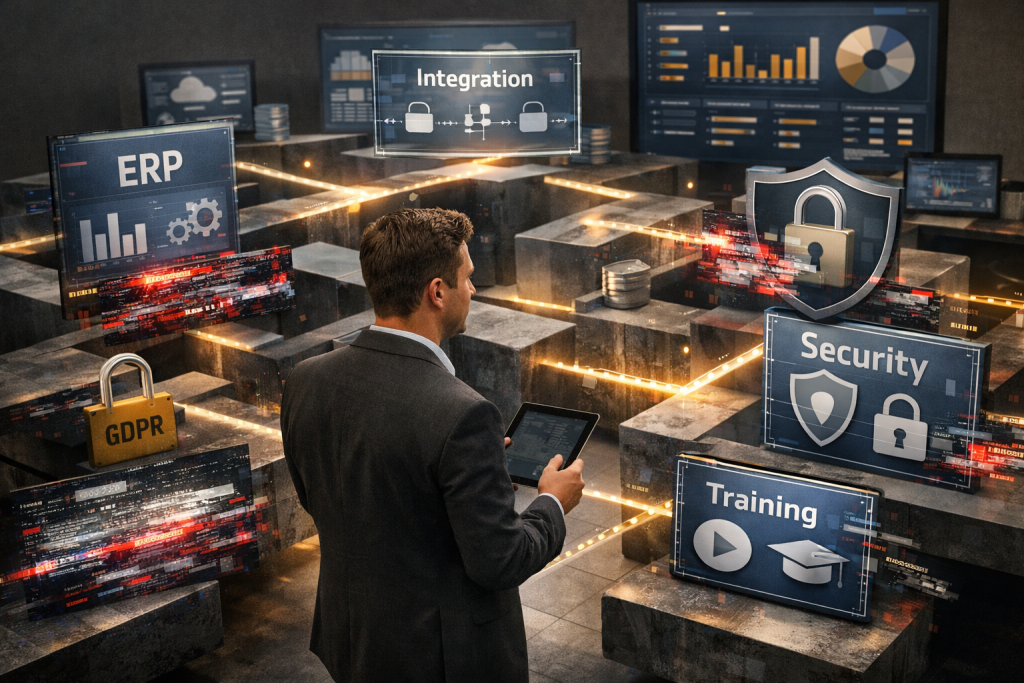
While e-invoicing offers many benefits, businesses may face challenges during implementation, including system integration, user adoption, and data security concerns.
System Integration and Setup Complexity
Implementing e-invoicing often requires integration with existing systems. ERP integration and accounting system integration can be complex, especially for businesses with outdated infrastructure. Proper planning and support are essential to ensure a smooth transition.
Staff Training and Change Management
Adopting e-invoicing requires employees to learn new processes and tools. Without proper training, resistance to change can slow adoption.
Businesses must invest in education and support to ensure successful implementation and long-term usage.
Data Accuracy, Security, and Vendor Selection
Choosing the right e-invoicing software is critical. Businesses must ensure data accuracy, security, and compliance. Working with trusted vendors helps minimise risks and ensures that invoice data is protected from fraud or unauthorised access.
How Can Businesses Get Started With E-Invoicing?
To get started with e-invoicing, businesses need to assess current processes, choose the right tools, and prepare systems for integration. A structured approach ensures smooth adoption and long-term success.
Assess Current Invoicing and AP Workflows
The first step is reviewing existing invoicing processes. Businesses should identify manual bottlenecks, inefficiencies, and error-prone steps.
Understanding current workflows helps organisations determine how e-invoicing and accounts payable automation can improve efficiency and streamline financial operations.
Choose the Right E-Invoicing Software
Selecting the right e-invoicing software is crucial for success.
Businesses should look for features like automation, compliance support, and scalability. The solution should also support ERP integration and accounting system integration to ensure seamless data flow across financial systems.
Prepare for Integration, Testing, and Rollout
Once a solution is selected, businesses must prepare for implementation.
This includes system integration, testing workflows, and onboarding suppliers. Proper planning ensures that automated invoice processing works efficiently and that the transition to e-invoicing is smooth and disruption-free.
Why E-Invoicing Is the Future of Financial Operations
E-invoicing is becoming the global standard for financial operations. It enables automation, improves compliance, and supports digital transformation, making it essential for modern businesses.
The Shift Toward Fully Automated Finance Systems
E-invoicing is becoming the global standard for financial operations. It enables automation, improves compliance, and supports digital transformation, making it essential for modern businesses.
Increasing Global Adoption and Regulatory Pressure
Finance teams are moving toward fully automated systems powered by invoice automation and AI.
E-invoicing plays a central role by enabling seamless data exchange, reducing manual work, and improving decision-making through real-time insights.
The Role of Real-Time Data in Financial Decision-Making
With real-time reporting, businesses gain instant access to financial data. This allows better forecasting, improved budgeting, and faster decision-making. e-invoicing ensures that financial information is always up-to-date and accurate.
Why E-Invoicing Is a Smart Business Move
Understanding what e-invoicing is the first step toward transformation. By adopting electronic invoicing, businesses can streamline operations, enhance accuracy, and stay compliant with evolving regulations. It is no longer optional—it is essential for growth and efficiency.
From improving workflows to enabling digital invoice exchange, e-invoicing delivers long-term value. Businesses benefit from better financial control, improved transparency, and scalable systems that support future growth and innovation.
As technology evolves, e-invoicing will continue to shape financial operations. Businesses that adopt early will gain a competitive edge through automation, improved cash flow, and stronger compliance, ensuring long-term success in a digital-first world.
FAQs About E-Invoicing
E-invoicing is the process of sending invoices electronically in a structured format that systems can read automatically. Unlike PDFs, it uses machine-readable invoices to enable faster processing, improved accuracy, and seamless integration with accounting and financial systems.
E-invoicing works by creating invoices using structured invoice data, sending them through a digital invoice exchange, and processing them using automated invoice processing systems. This eliminates manual steps and ensures faster, more accurate financial transactions.
No, a PDF invoice is not a true e-invoice. PDFs lack structured data and require manual processing. e-invoicing uses formats like XML invoice format or EDI invoicing, which allow systems to read and process invoices automatically.
The main benefits of e-invoicing include faster payment cycles, the ability to reduce manual errors, and improved efficiency. It also helps businesses improve cash flow, lower operational costs, and enhance compliance with financial regulations.
E-invoicing is important for compliance because it ensures accurate reporting and supports tax compliance and GST compliance. It also aligns with global e-invoicing regulations and enables real-time reporting, helping businesses avoid penalties and maintain transparency.