

Contracts are at the center of nearly every business relationship. Whether an organisation is working with suppliers, customers, service providers, or internal stakeholders, contracts define responsibilities, pricing structures, obligations, timelines, and compliance requirements. Up to 40% of a contract’s value can be lost due to inefficient contract management processes, according to a KPMG report.
As businesses grow and become more complex, the number of contracts they manage increases dramatically. Without a structured approach to managing these agreements, companies often face delayed approvals, missed renewal opportunities, compliance risks, and inefficient processes. These challenges can affect revenue, procurement operations, supplier relationships, and overall organisational performance.
This is where contract lifecycle management (CLM) becomes essential. Contract lifecycle management is a structured approach to managing contracts from the moment they are created until they are renewed or terminated. It brings together legal teams, procurement departments, finance teams, sales professionals, and executive leadership through a unified process that improves efficiency, transparency, and control. By centralising contract data and automating workflows, CLM enables organisations to manage contracts more effectively and extract greater value from their agreements.
Modern CLM solutions go far beyond simple document storage. Today’s platforms incorporate automation, analytics, AI-powered tools, and integration with enterprise systems such as ERP, CRM, procurement platforms, and financial systems.
These technologies enable organisations to track contract performance, monitor obligations, enforce negotiated terms, and identify opportunities for cost savings. As businesses increasingly focus on operational efficiency and spend management, contract lifecycle management is becoming a critical capability for modern enterprises.
Understanding how CLM works, why it matters, and how organisations can implement it effectively is the first step toward building a more efficient and resilient contracting process.
We will explore
- What Is Contract Lifecycle Management?
- Why Contract Lifecycle Management Matters in Modern Business
- Key Stages of the Contract Lifecycle Management Process
- Essential Features of Contract Lifecycle Management Software
- Benefits of Contract Lifecycle Management for Business Growth
- Common Challenges in Contract Lifecycle Management
- How to Implement a Successful CLM Strategy
- The Future of Contract Lifecycle Management
- FAQs About Contract Lifecycle Management
What Is Contract Lifecycle Management?
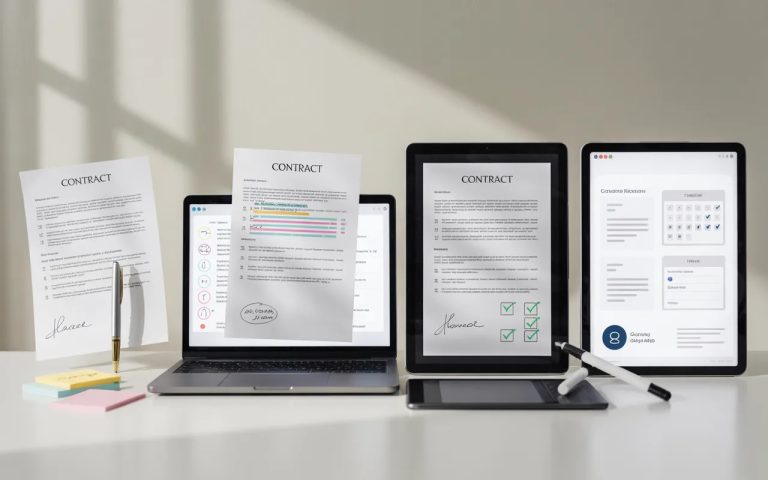
Contract lifecycle management refers to the systematic process of managing contracts throughout their entire lifespan. This includes contract creation, negotiation, approval, execution, monitoring, renewal, and termination. Rather than treating contracts as static documents stored in folders, CLM treats contracts as dynamic assets that require continuous oversight and management.
At its core, CLM ensures that contracts are handled efficiently and consistently across the organisation. The process typically begins with contract drafting, where legal teams or procurement professionals create agreements using approved templates and clause libraries. These templates ensure consistency in language, legal compliance, and alignment with organisational policies. After drafting, contracts move into negotiation and review, where stakeholders collaborate to refine terms and reach an agreement.
Once negotiations are complete, the contract moves through approval workflows that may involve multiple departments such as legal, finance, procurement, and executive leadership. After approval, the contract is executed, often using electronic signature technology that accelerates the signing process.
However, contract lifecycle management does not end once the contract is signed. One of the most valuable aspects of CLM is post-execution monitoring. Organisations must track obligations, payment terms, service level agreements, and renewal deadlines to ensure that contracts deliver the intended value. CLM systems help monitor these obligations and generate alerts when important milestones approach.
By managing the full contract lifecycle, organisations gain better visibility into their contractual relationships. This visibility helps reduce risks, improve compliance, support spend management initiatives, and strengthen relationships with suppliers and customers.
Key Takeaways
- Contract lifecycle management manages contracts from creation to renewal or termination.
- CLM improves contract visibility, efficiency, and compliance across organisations.
- Automation and analytics help businesses reduce risk and improve decision-making.
- CLM supports spend management by enforcing negotiated contract terms.
- AI and predictive analytics are shaping the future of contract lifecycle management.
Why Contract Lifecycle Management Matters in Modern Business
In today’s business environment, contracts influence nearly every operational process. Procurement agreements determine supplier relationships and purchasing costs.
Sales contracts define revenue streams and customer commitments. Service agreements establish performance expectations and compliance obligations. Because contracts affect so many areas of business operations, managing them effectively is critical.
Without structured contract lifecycle management, organisations often rely on fragmented systems such as spreadsheets, email chains, shared drives, and paper documents. These manual processes create inefficiencies and make it difficult to track contract status, monitor obligations, or enforce negotiated terms. As a result, organisations may experience revenue leakage, compliance risks, and missed opportunities for cost savings.
Contract lifecycle management addresses these challenges by providing a centralised and automated approach to contract management. A CLM platform creates a single source of truth where contracts are stored, tracked, and analysed. This centralised visibility allows teams to quickly access contract information, monitor obligations, and respond to issues before they escalate.
CLM also improves collaboration across departments. Legal teams, procurement professionals, finance managers, and sales teams often need to work together during contract negotiations and approvals. By providing shared access to contract data and standardised workflows, CLM platforms reduce communication delays and improve coordination among stakeholders.
Another important benefit is improved spend management. Contracts define pricing agreements, supplier commitments, and payment terms. If organisations fail to monitor these agreements, they may overspend or miss negotiated savings. CLM systems help organisations enforce contract terms and ensure that purchasing decisions align with contractual commitments.
It is evident that contract lifecycle management enables businesses to operate more efficiently, reduce risk exposure, and make better strategic decisions based on contract data.
Key Stages of the Contract Lifecycle Management Process
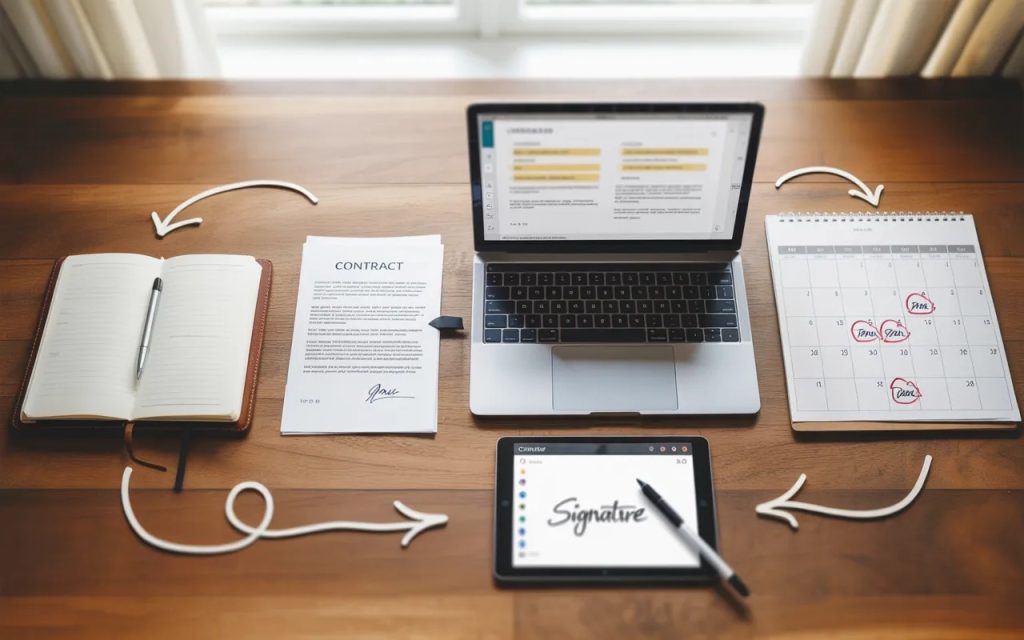
The contract lifecycle management process consists of several interconnected stages that guide contracts from creation to completion. Each stage plays an important role in ensuring that agreements are managed effectively and deliver value throughout their lifespan.
Contract Initiation
The lifecycle begins with contract initiation. This stage occurs when an organisation identifies the need for a formal agreement. For example, a procurement team may need to establish a contract with a new supplier, or a sales team may need a service agreement with a client.
During this stage, stakeholders define the purpose of the contract, outline key requirements, and determine which departments must be involved.
Contract Drafting
Once the need for a contract is identified, the drafting stage begins. Drafting involves creating the contract using standardised templates and approved clauses. These templates ensure that contracts follow consistent language and comply with legal requirements. Using predefined templates also speeds up the drafting process and reduces the risk of errors.
Contract Negotiation and Review
After drafting, the contract enters the negotiation and review stage.
During this phase, stakeholders review the contract terms and propose changes. Legal teams, procurement professionals, and external partners may all participate in negotiations. Version control tools within CLM platforms help track revisions and maintain a clear record of changes.
Contract Execution
When all parties agree to the contract terms, the agreement moves to the execution stage. Execution typically involves signing the contract using electronic signature technology.
Once signed, the contract becomes legally binding and is stored in a centralised repository for future reference.
Post-Execution Monitoring and Renewal
The final stage involves monitoring contract performance and preparing for renewal or termination.
This is where organisations must track obligations, deadlines, payment schedules, and performance commitments. CLM systems provide alerts and reporting tools that help teams stay informed about contract milestones and ensure that agreements continue to deliver value.
Essential Features of Contract Lifecycle Management Software
Contract lifecycle management software provides the technology infrastructure needed to manage contracts efficiently. These platforms centralise contract data, automate workflows, and provide analytics that support strategic decision-making. By integrating with other enterprise systems, CLM software also connects contract management with broader business processes.
- Centralised Contract Repository
A centralised repository stores all contracts and related documents in a secure and searchable location.
This improves document accessibility and ensures that employees can quickly locate agreements when needed.
- Workflow Automation and Approval Management
Automation tools streamline contract approvals, renewals, and notifications. Contracts can be automatically routed to the appropriate stakeholders for review and approval, reducing delays and administrative workload.
- Templates and Clause Libraries
Standardised templates and clause libraries help organisations maintain consistent contract language and reduce legal risk. These tools also accelerate the drafting process and ensure compliance with company policies.
- Collaboration and Version Control
Collaboration features allow multiple stakeholders to review and edit contracts simultaneously. Version control ensures that every revision is tracked and prevents confusion over outdated contract versions.
- Analytics, AI, and Enterprise Integration
Advanced CLM platforms include analytics dashboards, AI-powered contract analysis, and integration with ERP, CRM, and procurement systems. These capabilities provide insights into contract performance, compliance, and spending patterns.
Benefits of Contract Lifecycle Management for Business Growth

Contract lifecycle management offers numerous benefits that help organisations improve operational efficiency and financial performance. By implementing a structured CLM process, companies can gain greater control over their contractual relationships and extract more value from their agreements.
Improved Contract Visibility
Centralised contract storage enables organisations to quickly access contract data, track obligations, and monitor deadlines. This visibility supports better decision-making and reduces the risk of missed contract milestones.
Increased Process Efficiency
Automated workflows reduce manual paperwork and administrative tasks. Contracts move through approval processes more quickly, allowing organisations to finalise agreements faster.
Stronger Compliance and Risk Management
CLM systems help ensure that contracts comply with legal requirements and internal policies. Audit trails, alerts, and standardised templates reduce the risk of regulatory violations and legal disputes.
Better Spend Management and Cost Control
CLM platforms help procurement teams enforce negotiated pricing terms and monitor supplier performance. This improves financial oversight and helps organisations control spending.
Stronger Supplier and Customer Relationships
Transparent contract processes build trust between business partners. Organisations can track service commitments, respond to issues quickly, and maintain stronger long-term relationships.
Common Challenges in Contract Lifecycle Management
Despite its advantages, implementing CLM can present challenges for organisations that rely on outdated processes or fragmented systems.
- Manual Contract Handling
Many companies still manage contracts through spreadsheets, emails, and paper documents. These manual processes create inefficiencies and increase the risk of errors.
- Inconsistent Contract Language
Without standardised templates, organisations may use inconsistent contract terms across agreements, which increases legal risk.
- Poor Collaboration Across Departments
Contracts often involve multiple stakeholders. Without structured workflows, collaboration between departments can become slow and disorganised.
- Limited Post-Signature Monitoring
Many organisations fail to monitor contract obligations after signing. This can lead to missed deadlines and lost financial value.
- Integration and Adoption Challenges
Successful CLM implementation requires integration with existing systems and proper employee training. Without these factors, adoption may be limited.
How to Implement a Successful CLM Strategy
Implementing a successful CLM strategy requires careful planning and collaboration across the organisation.
Assess Existing Contract Processes- Organisations should begin by analysing their current contract workflows and identifying inefficiencies.
Define Clear Objectives- Clear goals such as reducing approval times, improving compliance, or strengthening supplier oversight help guide CLM implementation.
Standardise Templates and Workflows- Standardised templates and approval workflows ensure consistency and reduce contract complexity.
Select the Right CLM Platform- Organisations should choose CLM software that integrates with ERP, CRM, procurement platforms, and financial systems.
Monitor Performance and Improve Continuously- Tracking key performance indicators such as contract cycle time and renewal rates helps organisations refine their CLM processes over time.
The Future of Contract Lifecycle Management
Contract lifecycle management is evolving rapidly as new technologies transform the way organisations manage agreements.
AI-Powered Contract Intelligence
Artificial intelligence tools can analyse contracts, identify risky clauses, and extract key information automatically.
Generative AI in Contract Drafting
Generative AI can assist legal teams in drafting contracts and summarising key terms more efficiently.
Predictive Analytics for Contract Insights
Predictive analytics helps organisations anticipate contract risks and identify renewal opportunities.
Deeper Enterprise System Integration
Future CLM platforms will integrate more closely with procurement, finance, and CRM systems.
Smarter Dashboards and User Experience
Improved dashboards and analytics tools will provide real-time insights into contract performance.
Why Businesses Are Investing in Contract Lifecycle Management Systems
Contract lifecycle management is a critical capability for modern organisations. By managing contracts throughout their lifecycle, businesses can improve efficiency, reduce risk, and strengthen financial control.
CLM platforms centralise contract data, automate workflows, and provide analytics that support better decision-making.
As technology continues to evolve, contract lifecycle management will play an increasingly important role in helping organisations manage relationships, control spending, and achieve sustainable growth.
FAQs About Contract Lifecycle Management
Contract lifecycle management (CLM) is the process of managing contracts from creation to renewal or termination. It includes drafting agreements, negotiating terms, approving documents, executing contracts, and monitoring obligations. CLM systems centralise contract data, automate workflows, and improve visibility across departments such as legal, procurement, and finance.
Contract lifecycle management is important because it improves efficiency, reduces compliance risks, and ensures organisations maintain control over contractual obligations. By centralising contracts and automating approval workflows, CLM helps businesses avoid missed deadlines, reduce revenue leakage, and strengthen supplier and customer relationships.
Contract lifecycle management supports spend management by helping organisations track supplier contracts, monitor pricing agreements, and enforce negotiated terms. CLM platforms provide visibility into purchasing commitments and contract obligations, enabling procurement and finance teams to identify cost-saving opportunities and prevent overspending.
Effective contract lifecycle management software should include a centralised contract repository, workflow automation, standardised templates, version control, electronic signature integration, and analytics dashboards. Advanced CLM platforms also offer AI-powered contract analysis and integration with ERP, CRM, and procurement systems.
Artificial intelligence improves contract lifecycle management by automating contract analysis, extracting key data, and identifying potential risks in contract clauses. AI tools help legal and procurement teams review agreements faster, monitor obligations more accurately, and generate insights that support better contract decision-making.