
If you manage finance operations for a business, you already know the pressure that comes with vendor invoice processing. It is one of the most repetitive, high-volume, and error-prone tasks in any accounts payable department — and when it breaks down, the consequences are immediate: late payments, strained supplier relationships, and cash flow disruptions.
The numbers back this up. According to research by DocuClipper (2025), the average cost of processing a single invoice manually is $15. Nearly 39% of invoices contain errors. And finance teams that rely on manual processes spend an average of 14.6 days to process a single invoice from receipt to payment. For businesses handling hundreds or thousands of invoices per month, these inefficiencies compound fast.
This guide covers everything finance teams and business owners need to know about vendor invoice processing, what it is, how it works end-to-end, the most common errors and challenges, and the practical steps to streamline and automate the entire process.
We will explore
What is a Vendor Invoice?
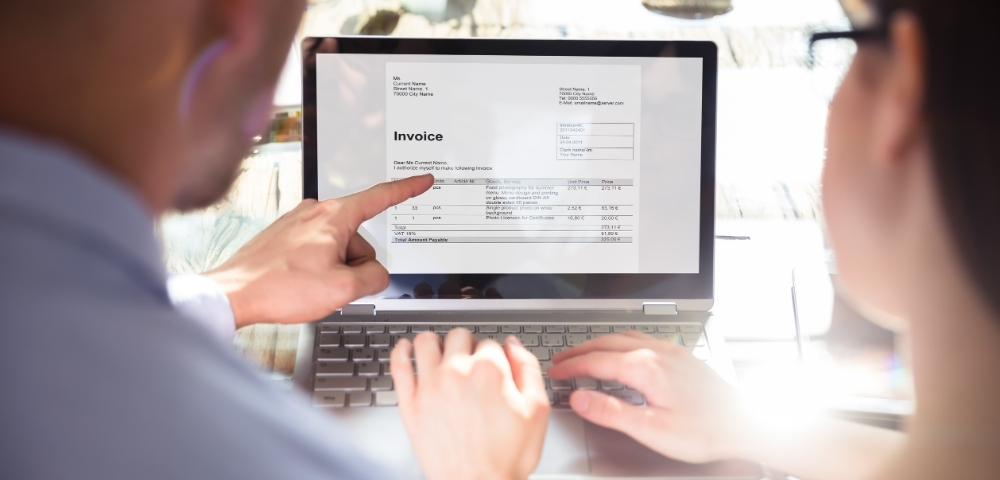
A vendor invoice is a formal document issued by a supplier (vendor) to a buyer, requesting payment for goods delivered or services rendered. It serves as the legal and financial record of a transaction between the two parties.
A standard vendor invoice typically includes the following elements:
- Unique invoice number
- Invoice date and payment due date
- Vendor name, address, and contact details
- Buyer’s name and billing address
- Purchase order (PO) number for cross-referencing
- Itemised list of goods or services supplied
- Unit prices, quantities, subtotals, applicable taxes, and total amount due
- Payment terms (e.g. Net 30, Net 60) and accepted payment methods
Vendor invoices can represent a one-time transaction or be part of an ongoing purchasing workflow. In accounting terms, a vendor invoice represents a credit obligation — an amount the buying company owes to the seller until the payment is settled.
Add Your Heading Text Here
Tips to Process Vendor Invoice Successfully

Standardise the Invoice Format
If you need to simplify the vendor invoice process, the first step should be requesting your vendors to follow a clear invoice format. If we look into a standardised invoice format, we can see it includes everything, such as purchase order number, invoice date, due date, payment terms, and a detailed list of goods or services that the supplier provided to the buyer. This strategy helps your finance teams when it comes to the invoice record comparisons, and it removes confusion.
You may be utilising an accounting software, and having a clear format will streamline the work for that system to read and process invoices much faster. When all the invoices have one format, it is easy for the accounting teams that make the payments to figure out what they have missed quickly.
Use a Centralised System
In the modern business world, many businesses opt for a centralised system, considering its advantages for invoice processing. If they employ a centralised platform such as ERP or any other accounting software, all of the invoice-related data is in the same location. The finance teams can receive, store, trace and process them all under one roof. Likewise, it clears out the possibility of duplication and misplacement.
Since it offers a centralised view for every department involved, like procurement, finance and warehouses, each department stays on the same page. This digital consolidation of vendor invoices reduces manual errors and helps with the auditing procedures.
Verify Purchase Orders
It is quite challenging for the finance departments to check every invoice against the purchase order (PO) and deliver a receipt before processing it. This is a three-way security verification. Without keeping the space for errors, this guarantees that the finance teams make the payments exactly to the suppliers for the exact qualities they supplied to you. In case you spot even a slight difference in quantity, price, or description, you must contact the vendor to sort out the issue before processing payment. This acts as a tight grid that safeguards a company from overpayment, duplicate payments, and fraud.
Since verifying purchase orders is a good strategy that builds trust between you and your suppliers, you can utilise a robust accounting system for this. The software has automated modules to cross-check purchase orders (PO), saving time and reducing human error.
Check for Errors Early
It is a wise step for a finance department to check the invoice for errors as soon as it is received. In an invoice, there can be many wrong indications, such as wrong invoice numbers, incorrect totals, duplicate charges and missing tax amounts, etc. If you can initiate early checking, it would take away almost 90% of your challenges, like paying the wrong amount or delaying payment.
This is much easier than waiting for an accurate invoice. Plus, one delayed invoice due to a small error can disrupt the entire cash flow of your company. This is why the financial experts advise the companies to communicate with the vendor as soon as they spot an error. Getting it fixed quickly will remove the last-minute rushes due to upcoming payment deadlines.
Implement an Approval Workflow
One of the main secrets to a quicker vendor invoice management mechanism is establishing a smooth and clear approval workflow within the company. In one way, this ensures payments are verified and approved by the right authorities at the right time. No need to make it complicated. There is no wrong in creating a process where invoices above a specific amount need to be reviewed by the manager, while smaller amounts get automated approval within the system.
This is why it is important to employ an accounting software that has the potential to direct invoices to the correct approvers based on department or project code. Since the authorities can access the system from anywhere, they receive alerts once there is a need for their approval. This reduces bottlenecks and delays, but the most important part is that it sort of creates a natural audit trail, which is helpful during internal or external audits. In one way, it expresses accountability, and in another way, it prevents unauthorised payments.
Prioritise Urgent Payments
You certainly encounter some invoices that have short payment terms, or some of them may offer early payment discounts. You must give priority to such payments every time, as they help your company to save money and maintain good vendor relationships. For example, if a vendor expresses that they offer a 2% discount for the payments that are cleared within 10 days, it is always a wise move to prioritise them.
If your team feel it is overwhelming for them to find such suppliers to prioritise them, you can use an accounting software to set alerts for invoices when the due dates are approaching. Classifying invoices by urgency and due dates is an outstanding practice to prevent late payments and avoid late fees.
Automate Data Entry
The main reason the finance world moves away from manual data entry is that it slows down the entire process and has a high potential to make mistakes. This is where modern businesses tend to use automation tools like OCR (Optical Character Recognition). It offers the capacity to scan paper invoices and turn them into digital data. These automated system has some distinguishing features, such as the ability to capture details like invoice number, date, and total amount, and store them within your accounting software’s memory. As this reduces typing errors, you can easily speed up processing time.
Some systems come with the potential to align invoices with purchase orders automatically. Since this digital framework takes away manual work, your team does not need to spend hours on data entry. Instead, you can start reviewing and approving invoice processing much earlier.
Reconcile Regularly
This indicates the approach of comparing your accounting records with your bank statements and vendor invoices. This is where your teams need to check whether every detail matches the records. Not limited to once or twice, you need to initiate this action regularly. If you try it monthly, you will notice how easy it is to catch errors early. When you reconcile, it is easy to identify duplicate payments, missed invoices, or incorrect amounts. Now the best part is that many software programmes come with the capabilities to automate this process, which saves lots of time and resources.
Since the latter initiative keeps your books accurate and up to date, your company does not have to prepare for the audits separately. This way, the company can maintain strong financial control over cash flow.
Keep Communication Open
Good communication in supplier or vendor relationships acts as a key player. When you keep open communication with vendors, it helps you stay away from issues quickly. For example, if the finance department finds the invoice does not align with the purchase order, it is better to inform the vendor immediately.
Undoubtedly, this prevents delays, but most importantly, it builds trust. In addition, you can share clear information about payment schedules with the vendors, which will remove misinterpretation issues when it comes to payment settlement.
Hold Hands with Robust Technology to Streamline Vendor Invoice Processing

You may understand that many companies turn the vendor invoice management into chaos due to manual interventions. This is why you need to collaborate with an AI-powered Procurement Management System for better supplier management in areas such as vendor invoice processing, supply management, reverse auctions, supply catalogue management, purchase handling, etc. As the pioneer in the industry with decades of experience, Tigernix offers customisable accounting solutions for your business. This way, you can streamline all finance operations with a few clicks.