

Did you feel like events are more digital, global, and experience-driven than ever before in 2026? According to recent industry reports, over 78% of event organisers now rely on digital platforms, while 40% of attendees abandon registrations due to poor user experience. This shift highlights the urgent need for smarter tools, such as an attendee management system, that simplify processes and improve engagement.
From reducing admin workload to enhancing attendee satisfaction, modern systems are redefining how events are planned and executed.
This article explores how digital solutions streamline registrations, eliminate friction, and deliver seamless guest experiences.
We will cover
- What Is the True Cost of Manual Event Registration in 2026?
- What Is an Attendee Management System and How Does It Work?
- Why Do 40% of Potential Attendees Abandon Event Registration?
- How Do Modern Attendee Systems Solve the Abandonment Crisis?
- What Registration Data Management Challenges Do Event Planners Face?
- How Does Attendee Management Centralise Guest Data Securely?
- What Makes Contactless Check-In Essential for Event Success?
- Why Is Automated Communication Critical for Attendee Engagement?
- What Integration Capabilities Should Event Systems Provide?
- How Can Attendee Systems Support Accessibility and Inclusion?
- FAQs About Attendee Management System
What Is the True Cost of Manual Event Registration in 2026?

Manual processes may seem manageable on a small scale, but in 2026, they create hidden inefficiencies that directly impact event success. From missed opportunities to costly errors, traditional methods struggle to meet modern expectations. Understanding these costs helps organisers recognise why digital transformation is no longer optional but essential.
Key Takeaways
- Digital platforms eliminate manual errors and improve event efficiency.
- Automation enhances attendee engagement and reduces no-show rates.
- Centralised systems ensure secure and accurate data management.
- Seamless experiences increase registration completion and satisfaction.
Time-Consuming Guest List Updates Leading to Errors and Overbooking
If you are in the event management scenario, you may know that managing guest list management manually often leads to duplication, missed updates, and confusion across your teams.
When multiple stakeholders edit spreadsheets, errors become inevitable. Overbooking can occur when real-time updates are not available, resulting in frustrated attendees and damaged credibility.
Additionally, last-minute changes, such as cancellations or last-minute registrations, are difficult to track manually. Without automation, organisers spend hours reconciling data instead of focusing on event strategy.
This inefficiency increases stress and reduces overall event quality, especially for large-scale or multi-day events.
Spreadsheet Chaos Multiplying Across Teams With Version Control Nightmares
It is certain that spreadsheets quickly become unmanageable when multiple departments collaborate.
The problem is that different versions circulate through email threads, creating inconsistencies in RSVP tracking and registration forms. Your teams have to work with outdated data, leading to poor coordination.
This lack of synchronisation also affects seating arrangements and VIP management, where accuracy is critical. One small mistake can disrupt the entire event flow.
Without centralised systems, event planners waste valuable time resolving conflicts instead of delivering a memorable experience for attendees.
Hidden Opportunity Cost: Admin Tasks Replacing Strategic Event Planning
We have to agree that manual processes consume time that could be used for innovation. Tasks such as data entry, follow-ups, and ticketing system updates limit the ability to focus on the creative aspects of events.
For example, instead of improving attendee engagement or building networking tools, your teams are stuck managing spreadsheets. This shift from strategy to administration reduces ROI and prevents events from reaching their full potential.
Over time, these opportunity costs compound, affecting brand perception and long-term growth.
What Is an Attendee Management System and How Does It Work?
An attendee management system is a centralised digital platform that automates the entire event lifecycle, from registration to post-event engagement. It replaces fragmented tools with a unified system, enabling seamless coordination, better data visibility, and improved attendee experiences.
Defining Centralised Platforms for Complete Registration Lifecycle
An attendee management system integrates all aspects of event registration into one platform. This includes registration forms, payment processing, confirmations, and attendee tracking.
Instead of switching between tools, organisers manage everything in a single dashboard.
Moreover, this centralisation reduces errors and ensures consistency across all touchpoints. It also provides a unified view of attendee data, helping planners make informed decisions quickly and efficiently.
From Initial Invitation to Post-Event Follow-Up Automation
Did you notice that modern systems automate the entire attendee journey?
Invitations are sent automatically, followed by reminders and confirmations through email automation.
After the event, post-event surveys can be triggered to collect feedback and insights. This automation not only saves time but also ensures no step is missed.
It creates a smooth experience for attendees while allowing organisers like you to focus on improving future events.
The Shift From Disconnected Tools to Unified Event Ecosystems
Previously, event planners relied on separate tools for registration, communication, and analytics. Remember? This fragmentation led to inefficiencies and data silos.
Today, integrated platforms combine CRM, sponsor management, and session scheduling into a single ecosystem. This unified approach improves collaboration and provides a complete picture of event performance. It also enables smarter decision-making through connected workflows and shared data insights.
Why Do 40% of Potential Attendees Abandon Event Registration?
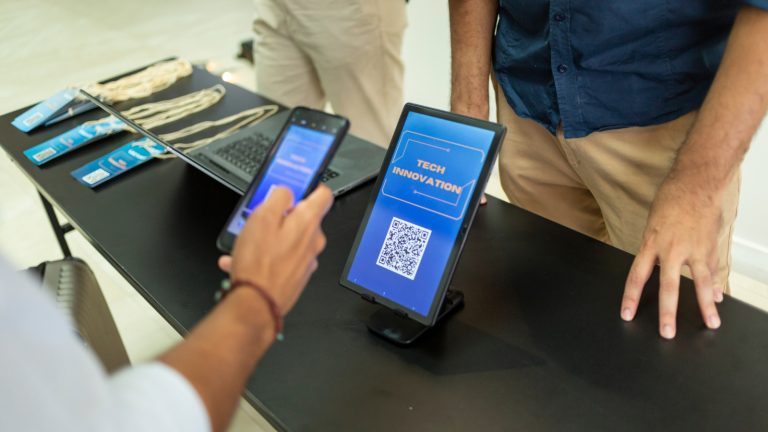
Registration abandonment is one of the biggest challenges in modern events. Studies show that nearly 40% of users drop off due to poor user experience. Identifying these pain points is key to improving conversion rates and ensuring successful registrations.
- Lengthy Multi-Page Forms Requesting Redundant Information
According to surveys, complex forms are one of the main causes of registration abandonment. When users are asked to fill in repetitive or unnecessary details, they quickly lose interest.
This is especially true when forms are not optimised for speed.
Long processes create friction, making users abandon halfway.
This is why simplifying registration forms and reducing required fields can significantly improve completion rates and user satisfaction.
- Mobile-Unfriendly Registration Experiences on Smartphones and Tablets
With most users accessing events through mobile devices, poor mobile design leads to lost opportunities. If forms are difficult to navigate or slow to load, users are unlikely to continue.
In such cases, a seamless mobile experience is essential for modern event registration platform success. Responsive design ensures accessibility across devices. The latter allows users to register easily, whether they are on a phone, tablet, or desktop.
- Lack of Progress Indicators Creating Uncertainty About Completion
It is clear that users need clarity when completing forms. Without progress indicators, they are unsure how long the process will take. This uncertainty leads to frustration and abandonment.
This is where adding visual cues, like progress bars, helps users stay engaged and complete the process. It builds confidence and improves overall experience, especially for longer registrations.
- Payment Processing Failures and Limited Payment Method Options
Payment issues are a major reason users abandon registrations. Failed transactions or limited options create frustration and reduce trust.
Modern systems must support multiple payment methods and currencies.
Reliable payment processing ensures smooth transactions and increases conversion rates. Offering flexibility and security builds confidence, encouraging users to complete their registrations without hesitation.
How Do Modern Attendee Systems Solve the Abandonment Crisis?
Reducing drop-offs requires removing friction at every step of the registration journey. Modern platforms use smart design, automation, and personalisation to guide users smoothly from start to finish. These improvements directly support registration abandonment reduction and increase overall conversion rates.
Conditional Logic Showing Only Relevant Questions Per Attendee Type
Modern systems use intelligent conditional logic to simplify forms. Instead of showing every field, users only see questions relevant to them. For example, speakers, sponsors, and general attendees receive tailored inputs.
This approach reduces complexity and speeds up completion.
It also improves data accuracy by collecting only necessary details. As it minimises confusion, event organisers can significantly reduce form fatigue and improve user satisfaction across different attendee categories.
Progress Bars and Save-And-Return Functionality Reducing Friction
Progress indicators help users understand how far they have come and how much is left. This clarity encourages completion and reduces hesitation.
Additionally, save-and-return features allow users to pause and continue later without losing data. This flexibility is especially useful for busy professionals.
Together, these features create a smoother experience and contribute to higher registration success rates across all types of events.
One-Page Express Checkout for Frictionless Ticket Purchases
It is true that a one-page checkout simplifies the entire registration process. Instead of navigating multiple pages, users complete everything in a single step.
This approach is especially effective for ticket purchases. Integrated payment gateways ensure secure and fast transactions. Combined with waitlist automation, organisers can also manage demand efficiently when events reach capacity, ensuring no opportunity is lost.
Multi-Language Forms Removing Barriers for International Attendees
Global events require inclusive design, and this is how offering forms in multiple languages improves accessibility and engagement.
This feature supports multi-language event accessibility, allowing attendees from different regions to register comfortably. It removes language barriers and increases participation. As events become more international, this capability becomes essential for expanding reach and delivering a truly global experience.
What Registration Data Management Challenges Do Event Planners Face?
Managing attendee information is complex, especially for large-scale or international events. Without proper systems, data becomes fragmented, inaccurate, and vulnerable. Addressing these challenges is critical for ensuring smooth operations and maintaining trust.
1. GDPR and Data Privacy Compliance Across International Events
Handling attendee information requires strict adherence to regulations like GDPR compliance. Event organisers must ensure that personal data is collected, stored, and processed responsibly.
Failure to comply can result in legal penalties and reputational damage. This makes it essential to use systems that support compliance through secure data handling, consent tracking, and transparent processes.
Proper compliance builds trust and protects both organisers and attendees.
2. Data Silos Preventing Unified View of Attendee Journey
When data is stored across multiple tools, it becomes difficult to get a complete picture of attendee behaviour. These silos limit insights and reduce efficiency.
For example, marketing teams may not have access to registration data, while event coordinators lack engagement insights.
This disconnect affects decision-making and prevents personalisation.
A unified system ensures all teams work with the same accurate information.
3. Inaccurate Manual Data Entry Causing Registration Errors
Manual entry often leads to mistakes such as duplicate records or incorrect details.
These errors can disrupt event operations and create confusion during check-in.
Accurate attendee data is essential for smooth execution. Automated systems reduce human error by capturing information directly from users and validating inputs in real time. This ensures reliability and improves overall event management efficiency.
4. Security Vulnerabilities Risking Attendee Information Breaches
Data breaches can have serious consequences, including financial loss and damage to reputation. The problem is that weak systems are more vulnerable to cyber threats.
Strong data security measures are necessary to protect sensitive information. This includes encryption, secure access controls, and regular audits. By prioritising security, event organisers can safeguard attendee data and maintain trust.
How Does Attendee Management Centralise Guest Data Securely?

Centralisation is key to managing data effectively and securely. Modern platforms bring all attendee information into one system, ensuring accuracy, accessibility, and protection. This approach simplifies operations while maintaining high security standards.
Real-Time Synchronisation: Eliminating Duplicate Records
Real-time updates ensure that all data is consistent across the platform.
When one change is made, it reflects instantly everywhere. This eliminates duplicate records and ensures accuracy in attendee lists. It also improves coordination between teams, as everyone works with the same updated information.
Real-time synchronisation is essential for efficient event management and seamless operations.
Encryption Standards (ISO-27001) and Multi-Factor Authentication
Advanced security protocols protect sensitive data from unauthorised access. Encryption ensures that information remains secure during storage and transmission.
Standards like ISO-27001 provide a framework for maintaining high security levels.
Multi-factor authentication adds an extra layer of protection, ensuring that only authorised users can access the system. These measures significantly reduce the risk of data breaches.
Role-Based Access Controls Protecting Sensitive Attendee Information
Not all team members need access to all data. Role-based access controls allow organisers to define permissions based on responsibilities.
This ensures that sensitive information is only accessible to authorised personnel. It also reduces the risk of accidental data exposure.
By controlling access, event you can maintain security while enabling efficient collaboration.
GDPR-Compliant Data Handling With Audit Trail Documentation
Compliance requires transparency and accountability. Modern systems maintain detailed audit trails that track every action performed on data. These records help demonstrate compliance with regulations like GDPR.
They also provide valuable insights into system usage and potential issues. By maintaining proper documentation, organisers can ensure accountability and build trust with attendees.
What Makes Contactless Check-In Essential for Event Success?
First impressions matter, and check-in is often the first interaction attendees have with an event. Fast, smooth entry sets the tone for the entire experience. Modern solutions use contactless check-in technology to eliminate delays and improve efficiency.
QR Code Scanning Reducing Check-In Queues From 10 Minutes to 30 Seconds
Digital check-in methods drastically reduce waiting times. Using QR code check-in, attendees can enter events quickly without manual verification.
This reduces queues and improves crowd management. Faster entry also enhances attendee satisfaction, allowing them to focus on the event rather than waiting in line.
It is a simple yet powerful improvement that transforms the arrival experience.
Instant On-Demand Badge Printing With Customisable Name Tags
On-site badge printing allows organisers to create professional name tags instantly. This eliminates the need for pre-printed badges and reduces errors. Customisation options enable branding and personalisation, enhancing the overall experience.
It also supports last-minute registrations without disruption, ensuring all attendees are accommodated smoothly.
Real-Time Attendance Tracking Visible on Coordinator Dashboards
Real-time monitoring provides instant insights into event attendance. Organisers can track check-ins and identify trends as they happen.
This data helps with crowd management, resource allocation, and decision-making. It also enables quick responses to unexpected situations, ensuring a smooth event experience from start to finish.
Professional Arrival Experience Setting Positive Event Tone
A seamless check-in process creates a strong first impression. When attendees experience quick entry and organised systems, it builds confidence in the event.
This positive start enhances overall satisfaction and sets the tone for engagement throughout the event. A professional arrival experience reflects the quality and credibility of the organisers.
Why Is Automated Communication Critical for Attendee Engagement?

Clear and timely communication is the backbone of successful events. Attendees expect updates, reminders, and personalised messages throughout their journey. Modern platforms use automated attendee communication to deliver the right message at the right time, improving participation and satisfaction.
- Personalised Email Sequences Based on Registration Status
Personalisation is key to keeping attendees engaged. Systems can send targeted messages depending on where users are in the journey: registered, pending, or confirmed. These personalised communications create a more meaningful experience. Instead of generic emails, attendees receive relevant updates that match their needs.
This approach improves open rates, builds trust, and ensures attendees stay informed from registration to event day.
- SMS and WhatsApp Reminders Reducing No-Show Rates by 30%
Timely reminders play a major role in attendance. Studies show that SMS and messaging apps can reduce no-shows by up to 30%.
These channels are direct and highly effective. They ensure attendees receive important updates even if emails are missed. Combining SMS with email creates a multi-channel strategy that keeps attendees engaged and prepared for the event.
- Multi-Channel Notifications Keeping Attendees Informed Proactively
Relying on a single communication channel is no longer effective.
Modern systems use email, SMS, and app notifications to deliver consistent updates.
A mobile event app enhances this experience by providing real-time alerts, schedules, and updates. This proactive approach ensures attendees always have the information they need, improving overall satisfaction and engagement.
- Behavioural Triggers: Sending Relevant Updates at Optimal Times
Automation allows systems to respond to user behaviour. For example, if someone starts registration but does not complete it, they can receive a reminder automatically. This type of email automation ensures no opportunity is missed.
Messages are sent at the right moment, increasing engagement and improving conversion rates. Behavioural triggers make communication smarter and more effective.
What Integration Capabilities Should Event Systems Provide?
Modern event platforms must connect seamlessly with other tools. Integration ensures data flows smoothly across systems, improving efficiency and enabling better decision-making. Strong integration capabilities are essential for delivering a complete event experience.
CRM Synchronisation for Marketing Automation and Lead Nurturing
Integrating with CRM systems allows organisers to manage leads and track attendee interactions. This connection supports CRM integration, enabling better marketing strategies.
Data collected during registration can be used for follow-ups and future campaigns. This helps convert attendees into long-term customers or partners, increasing the value of each event.
Payment Gateway Connections Supporting Multiple Currencies
Global events require flexible payment options. Integration with multiple gateways ensures secure and smooth transactions.
This capability supports international attendees by offering various currencies and payment methods. It also reduces transaction failures, improving overall registration success rates.
Calendar System Integration for Automated Schedule Updates
Calendar integration helps attendees stay organised. Once registered, event details can be added directly to personal calendars.
This reduces the chances of missed sessions and improves planning. It also supports better coordination for organisers by ensuring all schedules are automatically updated when changes occur.
Mobile Event App Data Sync Enabling Seamless Attendee Experience
Synchronisation between systems and apps ensures consistency. Data shared across platforms keeps attendees informed and engaged.
Features such as schedules, updates, and networking opportunities are all accessible in one place. This improves convenience and enhances the overall event experience for participants.
ROI Calculation Tools: Measuring Event Financial Performance
Understanding event success requires accurate measurement. Integrated tools provide insights into revenue, attendance, and engagement.
Using event data analytics, organisers can evaluate performance and identify areas for improvement. These insights help optimise future events and ensure better returns on investment.
How Can Attendee Systems Support Accessibility and Inclusion?

Inclusivity is a key priority in modern events. Systems must ensure that all attendees, regardless of ability or background, can participate comfortably. Accessibility features improve reach and create a more welcoming environment.
WCAG-Compliant Registration Platforms for Screen Readers
Accessibility standards like WCAG ensure platforms are usable for individuals with disabilities. Features such as screen reader compatibility make registration easier.
These improvements ensure that everyone can access event information and complete registration without barriers.
Inclusive design enhances the overall experience and expands audience reach.
Accessibility Needs Collection During Registration Process
Understanding attendee needs is essential for planning inclusive events. Registration forms can include fields for accessibility requirements.
This allows organisers to prepare necessary arrangements in advance. Whether it is mobility support or special seating, collecting this information ensures a smooth and comfortable experience for all participants.
Multi-Language Support for Diverse Global Audiences
Language should never be a barrier to participation.
Offering multiple language options ensures accessibility for international attendees. This feature improves communication and increases engagement. It also helps events reach a wider audience, making them more inclusive and globally relevant.
Dietary Restrictions and Special Requirements Tracking
Tracking special requirements, such as dietary needs, ensures better planning and attendee satisfaction.
Organisers can use this data to coordinate catering and logistics effectively. This attention to detail enhances the overall experience and shows a commitment to attendee comfort and inclusivity.
Why Choose TigernixClub for Comprehensive Event Management?
Choosing the right platform can make or break an event. TigernixClub is a robust Club Membership System in Singapore that offers a complete solution designed to simplify processes and enhance experiences. Our solution combines powerful features with a user-friendly design, making it a reliable choice for event organisers.
All-In-One Platform: Registration, Check-In, Analytics, Communication
TigernixClub provides a unified platform that covers every aspect of event management. From registration to check-in and communication, everything is managed in one place.
This eliminates the need for multiple tools and reduces complexity. It also ensures better coordination and efficiency, allowing you to focus on delivering successful events.
Customisable Branding Across All Attendee Touchpoints
Branding plays a crucial role in event identity. TigernixClub allows full customisation of registration pages, emails, and badges.
This ensures a consistent brand experience across all touchpoints. It also enhances professionalism and helps events stand out, leaving a lasting impression on attendees.
Multi-Event Portfolio Management From a Single Dashboard
Managing multiple events can be challenging. TigernixClub simplifies this with a centralised dashboard.
You can oversee all events, track performance, and manage data efficiently. This capability improves scalability and allows for better resource management across multiple projects.
Singapore’s Trusted Event Platform With Proven Success
TigernixClub has built a strong reputation as a trusted platform in Singapore. Its proven track record demonstrates reliability and effectiveness.
Organisations rely on it to manage events of all sizes. Its combination of innovation, security, and user-friendly features makes it a preferred choice for modern event management.
Tigernix-For All Event Handling
Ready to Transform Your Event Registration Experience?
Event success today depends on efficiency, personalisation, and seamless digital experiences. Adopting an attendee management system is a much-needed move that directly impacts attendance, engagement, and ROI. The right solution simplifies operations while delivering exceptional experiences for every attendee.
Request TigernixClub Demo to See Attendee Management in Action
Seeing is believing. A live demo of TigernixClub allows event planners to explore how automation transforms workflows.
From simplified onboarding to real-time tracking, the platform showcases how every step is optimised. You can understand how features like guest experience optimisation improve satisfaction while reducing manual effort. Experiencing the system firsthand helps your teams visualise how it can elevate their event strategy.
Call for a free demo today.
Discover How Automation Reduces Event Planning Workload by 60%
Automation significantly reduces repetitive tasks such as confirmations, reminders, and updates. This allows teams to focus on creativity and strategy instead of administration.
By streamlining processes like speaker coordination, networking tools, and communication, you can save up to 60% of their time. This efficiency not only improves productivity but also enhances event quality, leading to better outcomes and stronger attendee relationships.
Eliminate Registration Headaches With Intelligent Event Technology
Modern platforms eliminate common challenges associated with manual systems. From handling last-minute registrations to managing complex workflows, intelligent tools simplify every step.
Features like automation and real-time updates ensure smooth operations. Organisers can confidently manage events without worrying about errors or delays. This transformation leads to better planning, improved execution, and a more enjoyable experience for both teams and attendees.
FAQs About Attendee Management System
An attendee management system is a digital platform that handles the entire event lifecycle, including registration, communication, check-in, and analytics. It helps organisers streamline processes, improve efficiency, and enhance attendee experience through automation and centralised data management.
An attendee management system improves registration by simplifying forms, enabling faster checkouts, and reducing errors through automation. It also supports multiple devices and payment options, making it easier for users to complete registration without friction.
Contactless check-in speeds up entry, reduces queues, and improves attendee satisfaction. Technologies like QR scanning and digital badges create a smooth arrival experience, helping events start on a positive note while ensuring accurate attendance tracking.
Automation enhances engagement by sending timely reminders, personalised updates, and follow-up messages. It ensures attendees stay informed throughout the event journey, increasing participation and improving overall satisfaction.
Key features include registration management, communication tools, analytics, integrations, and security. A good system should also support mobile access, real-time updates, and customisation to meet the specific needs of different events.