

If you are in the retail picture, you may have struggles with inventory shortages. Sometimes the skyrocketing prices may be too high for you to bear, and those delayed shipments have given you headaches. This not only affects your business, but at the end of this business chain, it directly pinches the consumers as well. You may be exploring every twist and turn of the market for a creative solution. This is where you get landed with ‘buffer stock’, which offers the scale to balance supply and demand. This is not just about extra stock. It spreads beyond one horizon to many elements, such as costs, production, consumer trust, etc.
This article covers everything you need to know about buffer stock and its outstanding benefits for today’s business world.
We will explore
What is a Buffer Stock?
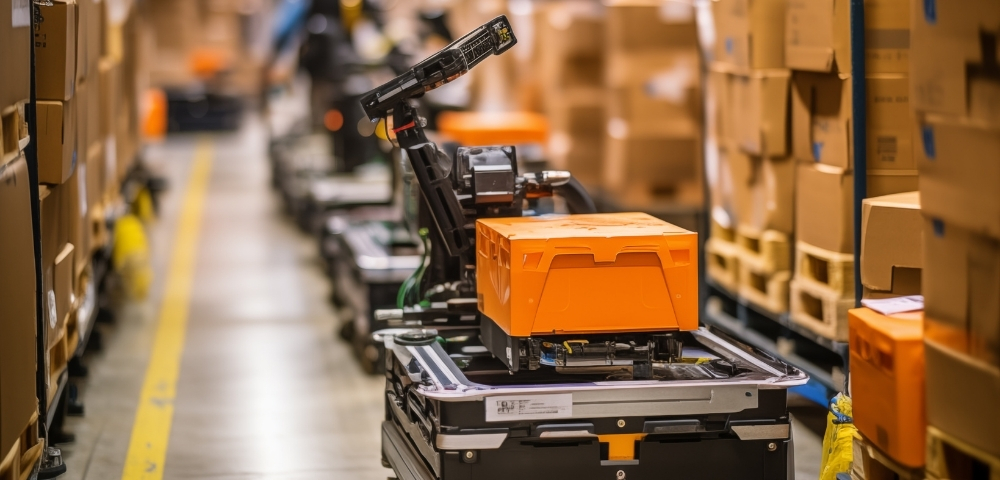
- The buffer stock definition goes like this: It is a process of reserving the goods in the stocks to balance supply and demand in case there is a shift in the market. There can be many challenges, such as shortages, unexpected delays or price jumps coming from all directions. This is when there is a necessary for businesses or governments to take action to shield themselves. When something like this occurs, they can simply release the stored goods without putting the consumers at risk.
- When the supply goes higher than the actual demand, they do the complete opposite of this process, which is adding the extra goods to the stocks. In one way, this strategy helps the businesses keep their prices quite stable, making sure that their production and sales happen in a smooth way. This way, the business will not have to struggle with supply challenges and empty shelves.
Top 5 Buffer Stock Benefits

Prevention of Supply Gaps and Disruptions
Whenever supply chains face sudden shocks, a buffer stock comes to the rescue as a safety cushion for your business. It is totally a web of chaos if you look into markets. Anytime there can be a sudden transport delay, raw material shortage or demand surges and etc. If the businesses are not ready for such situations, there can be great disruptions. This is where the buffer stock comes to play, and it supports businesses without halting business operations and disappointing customers. Not to mention that this strategic grid helps them to keep the necessary stock available in the stores. Since the outside factors keep attacking the operations, using this approach, businesses can establish a greater level of reliability when it comes to their customers and suppliers.
Stabilised Operational Costs
In the business world, we frequently witness prices of raw materials and goods rising uncontrollably when sudden changes like seasonal demands, global supply chain challenges or shortages occur. Since they keep a buffer stock, they will not have to suffer. Instead, they can keep their costs steady even during the markets are uncertain.
When companies rely only on immediate supplies, they risk buying at inflated rates.
If there is a buffer stock mechanism in hand, they no longer have to pay for high prices, as they are well-equipped with stored items. This is known as a strategy-focused practice in the business world, as it paves the way to reduce financial strain and helps with proper alignment of budgets. Eventually, the latter assists companies in handling resources carefully and sticking to the profit margins as planned.
Uninterrupted Production Flow
It is a must in production to have a necessary amount of raw materials in place if they need to see an uninterrupted production workflow. How can this be achieved when there are sudden disruptions? This will be sorted out if the companies tend to gather some buffer stock, considering such situations. When there are longer supply chain issues or political conditions, a buffer stock will save the day. No need for the productions to get halted, as it can occur smoothly.
A continuous flow of operations also supports workforce efficiency because employees do not have to deal with sudden work stoppages. In simple terms, buffer stock keeps production alive and moving without unnecessary breaks or risks.
Greater Adaptability in Inventory Control
Buffer stock provides flexibility when managing inventory in changing market conditions.
We need to face the truth, as no business in the world faces steady demand. One day there will be a jump up, and the other day it can be a massive downturn in trends, seasons, or customer preferences. With the right control over inventory, it is much easier to have a great level of stock level adaptability, and it eventually supports managers in responding quickly to whatever the requirements are. Buffer stock offers this advantage because it gives room to adjust sales, shipments, or production without facing shortages.
Since the company functions with a reliable backup system, there will be less stress on logistics and the teams.
Enhanced Long-Term Planning and Forecasting
Buffer stock is technically another term for lowering unpredictability. This is why it aids businesses in developing more robust plans eyeing the long-term. Businesses frequently confront obstacles when attempting to forecast future demand or plan for seasonal swings. Without reserves, for that matter, even minor forecasting errors might result in shortages or expensive last-minute purchases.
With buffer stock, managers plan with greater confidence since they know a safety net exists. This stability supports more accurate forecasting, better use of data, and improved alignment of supply with demand. In the long run, buffer stock creates space for smarter growth strategies, allowing businesses to meet future needs with less disruption and more reliability.
Key Factors to Evaluate When Setting Buffer Stock Levels
Demand Prediction Accuracy
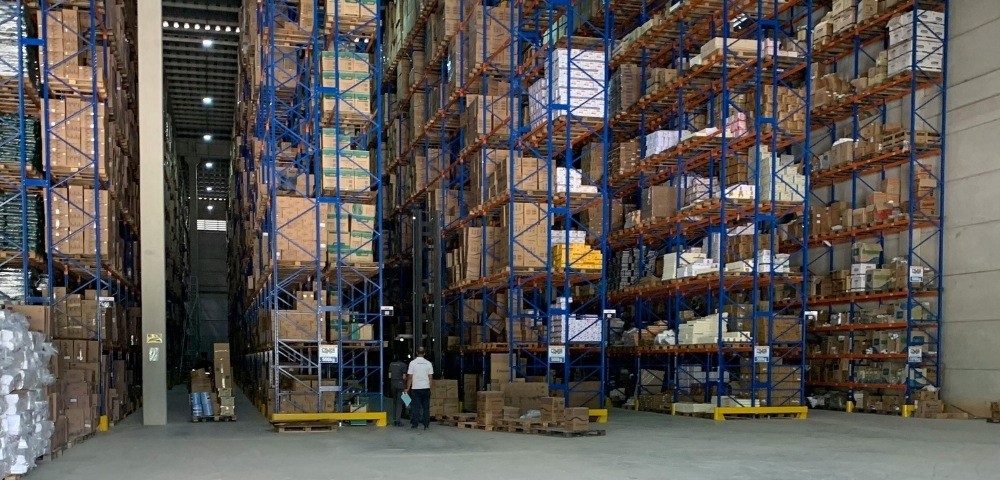
The number one requirement is that companies have to base their buffer stock levels on their ability to forecast demand. When they process the demand projections that closely match actual market activity, it actually helps businesses prevent overstocking or understocking. A mismatch, however, often creates wasted storage costs or lost sales. Accurate demand prediction comes from studying past data, understanding customer behaviour, and watching current trends. With this insight, businesses plan buffer stock that matches true needs instead of guessing.
Above all, when businesses have a well-rounded projection, it boosts confidence in inventory choices since managers can predict future orders with more accuracy, minimising needless risks.
Supplier Lead Time
Supplier lead time plays a major role in deciding how much buffer stock to hold. When suppliers deliver goods quickly, businesses can manage with smaller reserves. However, longer or unpredictable lead times demand higher buffer stock to keep operations safe from delays. Companies evaluate not only delivery speed but also reliability since unexpected disruptions create serious gaps.
Strong communication with suppliers also helps track timelines better and reduces uncertainty. With this knowledge, managers set stock levels that cover the waiting period without causing shortages. In short, understanding supplier lead time helps businesses maintain supply consistency and avoid unnecessary pauses.
Replenishment Cycle
The replenishment cycle is what simply illustrates how frequently organisations renew inventory. It is proven to have a direct impact on buffer stock levels. There is less need for huge stockpiles since short cycles enable businesses to restock quickly. Long cycles, however, require bigger safety stocks to cover the extended time between deliveries. Managers also review sales patterns and order volumes when setting these cycles, since inconsistent demand often creates pressure on stock.
When businesses choose the proper cycle, it helps them strike a balance between storage costs and supply readiness. There is no need to generate waste anymore; this way, companies are able to maintain a more efficient inventory flow by closely monitoring how quickly products move and when they need to be replaced.
Product Shelf Life
Products with shorter shelf lives demand extra attention when setting buffer stock levels.
There can be some perishable elements like chemicals, pharmaceutical items, etc. They might lose their value fast when they keep them on shelves for a longer period. This means companies must take into consideration how much to keep on hand in order to fulfil unforeseen demand and fend off waste.
However, since non-perishable goods survive longer, it is ok to be flexible with the stocking tactics. Businesses must consider demand frequency, expiration dates, and storage conditions when they make a decision. It is not just having another stock, it must be a stock where the business achieves usefulness, profitability while keeping customer trust. This is where the requirement to find the right balance between freshness and availability comes in.
Seasonal Demand Shifts
This demand variation factor is what greatly influences how organisations design buffer stock levels. In case they ignore these shifts, it might result in shortages or lost sales because products tend to see increased demand around holidays, festivals, or particular weather seasons. This is when seasoned companies normally use historical seasonal trends to predict when increases would occur and plan ahead for enough supply.
This is how they avoid overstocking at the end of the season, and no longer have to tie up funds and space. They can easily preserve resources and remain prepared for peak times if they wisely strike a balance.
Smart handling of seasonal shifts keeps customers satisfied and ensures smooth operations across different times of year.
Strategically Moving Forward through Demand Fluctuations with the Robust Technology

Supply chains crumble when demand turns unpredictable, but yours does not have to. Buffer stock saves you only if you calculate it with precision, not instinct. If you have a sophisticated Warehouse Management System, it will help you with balancing inventory with demand shifts while cutting waste. This is exactly what you call strategically moving forward in the business landscape. Connect with Tigernix for a demo today.