It became a hot topic when the recent studies showed that over 70% of companies struggle with rising operational costs, making cost management in business more critical than ever in 2026. As inflation, global disruptions, and shifting business strategies continue to impact organisations, mastering cost management is quite essential for survival and growth.
Whether you are a small business owner or managing large companies, understanding how to control costs, improve profitability, and optimise resources can transform your business outcomes.
The article covers
- What Is Cost Management In Business?
- Why Cost Management Matters More In 2026
- Key Components Of An Effective Cost Management System
- The Role Of Cost Accounting In Managing Costs
- 10 Practical Cost Management Tips For 2026
- Advanced Cost Management Techniques For Modern Businesses
- Common Cost Management Mistakes To Avoid
- How To Build A Long-Term Cost Management Strategy
- The Future Of Cost Management In Business
- FAQs About Cost Management In Business
What Is Cost Management In Business?

Cost management refers to the process of planning, controlling, and reducing business costs to improve profitability and efficiency.
If we go into this more deeply, cost management in business is the structured approach to tracking, analysing, and optimising every cost within an organisation. It combines cost accounting, cost control, and cost analysis to ensure that business costs align with goals.
The cost management function supports better management, enabling managers to make informed cost decisions using accurate cost data.
It also includes resource management, allocation of resources, and monitoring expenses, expenditure, and operating expenses. With tools like accounting software and advanced cost management software, businesses can manage indirect costs, overhead costs, and operational costs more effectively.
Key Takeaways
- Effective cost management improves profitability and strengthens overall business performance.
- Businesses must use structured budgeting and cost analysis to control expenses efficiently.
- Cost optimisation is more sustainable than short-term cost-cutting strategies.
- Tracking different types of costs helps businesses maintain financial stability.
Why Cost Management Matters More In 2026
Rising costs and economic uncertainty make effective cost management essential for maintaining profitability and long-term business success.
In 2026, increasing cost of living, higher labour costs, and fluctuating prices are putting pressure on business overall performance.
This is why your business must carefully manage operating costs, administrative expenses, and distribution costs to protect profit margins and sustain revenues.
A strong business strategy and long-term business strategy now depend on smart cost control measures and cost optimisation. Companies that fail to adapt risk reduced profits, weak cash flow management, and declining customer experience.
As you can see, effective cost management today ensures resilience, supports business transformation, and helps identify cost-saving opportunities.
Key Components Of An Effective Cost Management System

An effective cost management system integrates budgeting, tracking, and analysis tools to control and optimise costs across the business.
A well-designed cost management system includes cost accounting systems, cost structures, and clearly defined cost categories. Businesses must track direct costs, indirect costs, and resource costs to understand their cost structure fully.
Key elements include budgets, budgeting, and the cost budgeting process, which guide cost planning and spending decisions. Tools like project management software, accounting/business management software, and digital business management platforms enable real-time cost monitoring and cost/schedule reporting.
This system also supports managing expenditures, cost control practices, and cost applications, ensuring businesses maintain control over total costs and improve overall efficiency.
The Role Of Cost Accounting In Managing Costs
Cost accounting helps businesses analyse costs, improve decision-making, and enhance profitability through accurate financial insights.
Moreover, cost accounting plays a central role in managing costs by providing detailed insights into actual costs, historical cost data, and cost estimates. It supports cost evaluation, cost comparison, and thorough cost analysis for better planning.
By tracking cost of goods sold, unit costs, and manufacturing costs, businesses can optimise pricing, adjust price changes, and improve profitability.
In this context, some techniques like general costing, project cost accounting, and potential cost estimating allow businesses to forecast future costs and manage investment costs effectively.
Ultimately, using cost accounting processes to guide present and future operations ensures better cost-related decisions and sustainable growth.
10 Practical Cost Management Tips For 2026
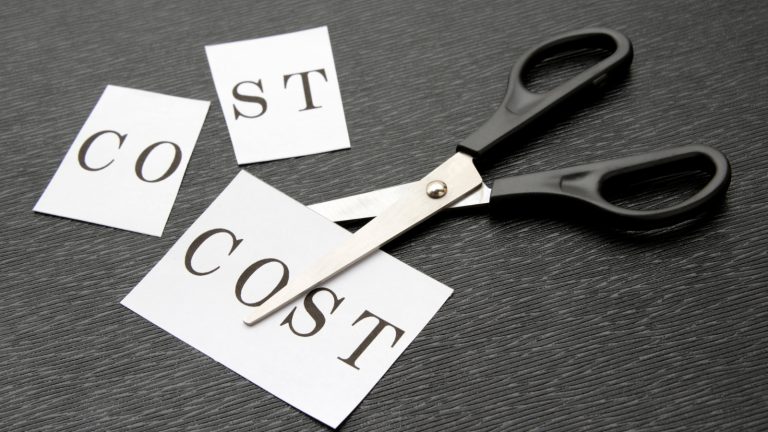
These 10 practical tips help businesses control costs, improve efficiency, and drive profitability in a competitive environment.
1. Build A Data-Driven Cost Management Plan
Have you ever imagined that creating a strong cost management plan is the foundation of effective cost management?
Businesses should rely on accurate cost data, regular cost reports, and cost monitoring to track spending patterns. Using tools like cost management software and accounting software, organisations can analyse accumulated costs and identify trends.
This is where metrics such as cost performance index and cost performance help measure efficiency and guide improvements. A data-driven approach ensures better cost planning, aligns with business strategies, and supports informed management functions.
This method also improves cash flow management and ensures that budget costs stay within limits.
2. Conduct a Thorough Cost Analysis Regularly
Regular cost analysis is essential for identifying inefficiencies and improving cost control. Businesses should perform thorough cost analysis, cost comparison, and review related costs to uncover inefficient costs and unnecessary costs.
When they analyse cost elements, cost categories, and cost structures, companies can make better cost-related decisions. Reviewing actual cost and overall cost helps in refining total cost techniques and improving outcomes.
This process also supports cost evaluation, enhances cost management measures, and ensures that businesses stay competitive in a rapidly changing market.
3. Optimise Your Cost Structure
Improving your cost structure is key to achieving cost optimisation and long-term efficiency. Businesses should review cost structures, resource costs, and personnel costs to identify areas for improvement.
Focus on reducing manufacturing costs, optimising operational costs, and managing the operating cost base effectively. Businesses should also evaluate cost elements and cost items to streamline operations.
By aligning cost targets with a strategic business plan, organisations can improve profit margins and ensure sustainable growth. This approach also supports well-managed cost transformation and enhances overall business performance.
4. Strengthen Cost Control Practices
Strong cost control practices are essential for maintaining financial discipline and avoiding overspending. Agree?
Keeping this in mind, your business must implement cost control, apply cost control measures, and continuously work on improving cost controls.
Effective cost controls help manage expenses, administrative expenses, and project-related expenses. Avoid relying on reactive cost-cutting, which can harm long-term growth, and instead focus on proactive cost control strategies.
Using cost control practices ensures better allocation of finances, improves budgeting, and strengthens overall business processes.
5. Use Modern Cost Management Software
Deploying cost management software is essential for modern business cost management and improving operational efficiency. Advanced tools such as accounting/business management software and project management software allow businesses to automate cost applications, streamline project cost systems, and track project costs in real time.
These platforms also integrate project accounting, project management functions, and project management methods to provide a complete view of total project cost and actual project cost.
With the latter in hand, businesses can monitor cost/schedule reporting, improve cost performance, and make faster cost-related decisions.
There is no doubt that by adopting digital tools, companies enhance digital business management, reduce manual errors, and strengthen their cost management system. This leads to better profitability, improved customer experience, and smarter managing costs across the entire business.
6. Improve Budgeting And Cost Planning
Strong budgeting and structured cost planning are critical for maintaining control over expenses and achieving cost targets. Businesses should implement a clear cost budgeting process that aligns with their strategic business plan and supports long-term growth.
This includes tracking budget costs and managing prepaid expenses effectively. Companies must also consider capitalisation costs, development costs, and investment cost when planning future spending.
Improved cost budgeting helps businesses forecast future costs, evaluate approximate cost capacity, and avoid overspending. It also ensures better allocation of resources, strengthens business functions, and supports smarter management concepts.
7. Focus On Cost Optimisation, Not Just Cost Cutting
While cost-cutting can deliver short-term savings, true success lies in cost optimisation and sustainable cost transformation. Businesses should focus on identifying cost-saving opportunities and implementing cost-saving measures without compromising quality or customer experience.
This is when a balanced approach includes managing true costs, reducing inefficient costs, and improving cost-effective products. Avoid excessive reactive cost-cutting, which can harm innovation and long-term profitability.
Instead, better to adopt holistic cost management and outcome-based cost management to drive efficiency. This approach leads to cost transformation savings, enhances business transformation, and supports sustainable revenues and profits.
8. Track Project Costs And Profitability Closely
Effective project cost management ensures that businesses maintain control over project investments cost and maximise project profitability. Companies should track project costs, actual project cost, and potential total project cost throughout the project lifecycle.
Using project cost accounting mechanisms and project cost systems, businesses can monitor cost performance index, evaluate cost developments, and improve decision-making. This also helps in managing project investment cost and aligning projects with the overall business strategy.
Tracking cost/schedule performance ensures timely delivery and prevents budget overruns. It also supports better risk management and helps businesses identify cost changes early.
9. Manage Operating And Administrative Expenses
You may know that controlling operating expenses and administrative expenses is vital for maintaining a healthy financial structure.
Businesses should focus on reducing operating cost, optimising the operating cost base, and managing distribution costs efficiently.
Monitoring personnel costs, labour costs, and financing costs can significantly impact overall cost and improve profit margins. Businesses should also review project-related expenses and eliminate unnecessary spending.
Effective management of expenses and expenditure programmes ensures better cash flow management and supports long-term stability. This approach also helps businesses remain competitive in a challenging economic environment.
10. Align Cost Management With Business Growth
When you align cost management initiatives with growth strategies, it just ensures long-term success and scalability. This is the point where your business must integrate a cost management plan with your long-term business strategy and focus on delivering value to profitable customers.
This includes improving the sales process, optimising pricing, and adapting to price changes. Businesses should also focus on marketing collateral, enhancing customer experience, and strengthening business processes.
By aligning cost management with growth, companies can support business transformation, improve revenues, and increase profits.
This approach ensures that business is not just cutting costs but building a stronger, more sustainable future.
Advanced Cost Management Techniques For Modern Businesses
Advanced cost management techniques help businesses improve efficiency, reduce waste, and drive long-term profitability.
- End-to-End Visibility And Total Cost Management Approaches
Advanced cost management techniques help businesses improve efficiency, reduce waste, and drive long-term profitability. Modern organisations are increasingly adopting end-to-end cost management, total cost management, and solid cost management to gain full visibility across operations.
These approaches ensure every stage of spending is tracked, helping leaders understand where money flows and how it impacts overall performance and strategic decision-making.
- Improving Decision-Making Through Cost Optimisation And Performance
These modern techniques focus on optimising total costs, improving cost performance, and enhancing decision-making across departments.
By integrating structured analysis into daily operations, businesses can identify inefficiencies faster and respond with precision.
This results in stronger financial control, improved profitability, and better alignment between operational activities and long-term business objectives.
- Accurate Planning With Cost Estimation Techniques
Techniques such as cost estimation, fair cost estimation, and initial cost estimate allow businesses to plan financial requirements with greater accuracy.
These methods reduce uncertainty in budgeting and project planning. By forecasting costs more effectively, organisations can make informed investment decisions and avoid unexpected financial risks that may affect operational stability.
- Analytical Tools For Understanding Cost Behaviour
Using cost calculations, cost function projections, and even a cost function chart, companies gain deeper insights into how costs behave under different conditions. These tools help identify cost patterns, dependencies, and inefficiencies.
As a result, businesses can refine pricing models, improve operational planning, and support stronger long-term financial strategies.
- Digital Tools And Continuous Improvement Systems
Most importantly, tools like computer cost applications and AI-driven cost applications enhance data analysis and reporting accuracy. Meanwhile, cost programme initiatives support ongoing improvements across the business process.
These systems ensure continuous monitoring, better cost control, and more efficient resource utilisation. Not to say that this ultimately strengthens overall business performance and financial discipline.
Common Cost Management Mistakes To Avoid
Avoiding common cost management mistakes helps businesses maintain financial stability and improve long-term profitability.
Here is where many organisations struggle with cost management in business because they focus on short-term savings instead of structured planning.
One major mistake is relying on poor cost estimation or an inaccurate initial cost estimate, which leads to budget overruns, unrealistic expectations, and weak financial control. When businesses fail to build reliable forecasting models, decision-making becomes reactive rather than strategic.
Another frequent issue is ignoring historical cost and historical cost data, which removes the ability to learn from past performance and weakens the ability to predict future costs. Without this foundation, companies cannot accurately evaluate cost comparison or improve financial planning.
You will also fail when you do not establish clear cost centres or track accumulated costs, leading to poor accountability across departments.
In addition, overlooking cost-related changes and cost developments results in weak cost management measures, which reduces efficiency over time.
A lack of a structured cost programme, regardless of company size, can also create inconsistent management of expenditures and weak financial discipline.
Finally, ignoring term cost control and failing to address related costs often causes inefficiencies across business functions, reducing overall operational effectiveness.
How To Build A Long-Term Cost Management Strategy
A long-term cost management strategy ensures sustainable growth by aligning financial planning with business goals and strengthening overall business strategy execution.
To begin, companies must establish a strong foundation through initial cost management and develop a clear cost management plan that aligns with their business function and long-term vision. This helps organisations move beyond reactive decision-making toward structured financial discipline.
Setting measurable cost targets is essential for controlling spending and improving accountability across teams. Businesses must also evaluate investment costs and plan carefully for financing costs, ensuring that every financial decision supports future growth rather than short-term gains.
Effective strategies require strong allocation of resources and disciplined management of assets, people, and budgets. Integrating risk management practices and, when necessary, referring to risk management frameworks, helps businesses prepare for uncertainty while maintaining stability.
Additionally, balancing time/cost trade-offs ensures that efficiency does not compromise quality or delivery timelines.
A mature strategy also requires tracking final cost, understanding true costs, and ensuring all cost items are properly accounted for.
This comprehensive approach strengthens control over entire business operations and improves project profitability. This would ensure long-term sustainability and financial resilience across competitive markets.
Here is a list of what you need to do:
- Establish a clear cost management plan aligned with overall business strategy and long-term goals
- Begin with structured initial cost management to create a strong financial baseline
- Set measurable cost targets to improve accountability and performance tracking
- Evaluate and control investment costs and financing costs for sustainable growth
- Strengthen allocation of resources to improve operational efficiency across teams
- Integrate risk management (and where needed, see risk management) into financial planning
- Balance time/cost trade-offs to maintain efficiency without compromising quality
- Track final cost and ensure an accurate understanding of true costs
- Account for all cost items to avoid hidden financial gaps
- Maintain control over entire business operations through consistent monitoring
- Improve project profitability by aligning costs with business outcomes
- Build a long-term system that supports financial stability and scalability
The Future Of Cost Management In Business
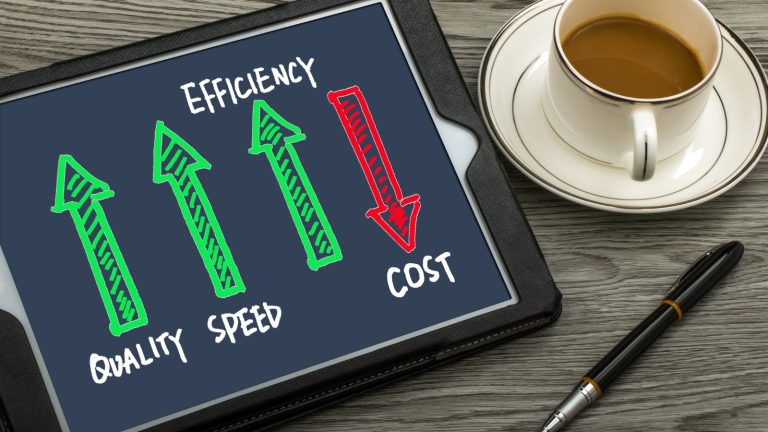
It is not a secret that the future of cost management in business is being shaped by digital transformation, automation, and advanced analytics that redefine how organisations handle cost management.
As companies adopt digital business management tools and integrated business management system platforms, traditional manual processes are being replaced with intelligent, real-time decision systems.
Automation significantly improves cost monitoring, enhances cost calculations, and increases accuracy in cost estimating. This allows businesses to move from static reporting to dynamic financial control, enabling faster responses to market changes and operational challenges.
Organisations are increasingly shifting toward well-managed cost transformation strategies that prioritise efficiency and value creation rather than simple cost-cutting. This includes optimising the operating cost base, eliminating unnecessary costs, and improving the delivery of cost-effective products to customers.
At the same time, global trends such as the growth of total e-commerce business models and shifts in the cost of living index are influencing pricing and various prices strategies.
Future-ready businesses will focus on advanced cost optimisation, expand the use of cost applications, and ensure that long-term business growth remains financially sustainable while maintaining competitiveness in rapidly changing markets.
How TigernixERP Strengthens Cost Management Through Smart Financial Control
TigernixERP is a robust Enterprise Resource Planning software in Singapore that comes with a powerful financial module to support cost management by providing real-time visibility into expenses, budgets, and financial performance. Our software enables accurate cost tracking, automated budgeting, and detailed cost analysis, helping your businesses control spending and improve profitability.
With integrated accounting software capabilities, the Tigernix solution streamlines financial data across departments, reduces manual errors, and enhances your decision-making. This allows your organisation to manage costs efficiently, optimise resources, and maintain strong financial discipline across the entire business.
Call for a free demo.
Tigernix-All Under One Dashboard
Mastering Cost Management For Sustainable Business Success In 2026
We must agree that cost management in business is essential for improving profitability, controlling expenses, and ensuring long-term growth in a competitive environment.
In 2026, mastering cost management in business means going beyond basic cost control and embracing a strategic, data-driven approach. From implementing a strong cost management system to using modern cost management software, businesses must focus on managing costs efficiently across every business process. Whether it is optimising operating expenses, reducing overhead costs, or improving cost structures, every decision contributes to better financial outcomes.
Successful organisations understand that effective cost management is not just about cutting costs, but about making smarter cost decisions that enhance profitability, strengthen cash flow management, and support sustainable business transformation. By aligning cost management initiatives with a clear business strategy and focusing on cost optimisation rather than short-term cost cutting, companies can unlock real value.
In the end, businesses that adopt a proactive and holistic cost management approach will be better equipped to navigate rising cost of living, changing prices, and increasing competition. The goal is simple: build a resilient, efficient, and profitable business by turning cost management into a long-term strategic advantage. Is your business up for this challenge?
FAQs About Business Cost Management
Business cost management is the process of planning, controlling, and reducing business expenses to improve profitability and efficiency. It is important because it helps companies monitor spending, optimise resources, and increase profit margins. Effective cost management ensures financial stability, supports better decision-making, and allows businesses to remain competitive in changing market conditions.
A business can improve cost management by implementing structured budgeting, tracking expenses in real time, and using cost analysis tools. Companies should monitor operating costs, reduce unnecessary spending, and adopt cost management software. Regular financial reviews and data-driven decision-making also help improve efficiency, control costs, and increase overall profitability.
The main types of business costs include fixed costs, variable costs, direct costs, and indirect costs. Fixed costs remain constant, while variable costs change with production levels. Direct costs relate to production, and indirect costs include overhead expenses. Understanding these categories helps businesses manage budgets and improve cost control strategies.
Cost control focuses on monitoring and managing expenses to stay within a set budget, while cost reduction aims to permanently lower overall costs. Cost control ensures financial discipline, whereas cost reduction improves long-term profitability. Both strategies are essential for effective business cost management and sustainable financial performance.
Businesses need cost management software to automate budgeting, track expenses, and analyse financial data in real time. It reduces manual errors, improves accuracy, and provides better visibility into costs. This helps companies make faster decisions, optimise resources, and improve profitability through efficient financial management systems.