

Did you know that behind every purchase we make is an intricate distribution business channel that operates in silence? From factories to store shelves and online carts, distribution shapes how fast products move, how broad brand reach is, and how satisfied customers are. The interesting fact is that when purchasing a product, around 50% of the final price goes to intermediaries’ costs and profits!
It is also true that companies that get distribution right accelerate, gain control, and sustain long-term growth. The universal truth is that ignoring it tends to fail.
In this blog post, we explain all you need to know about distribution in business channel, what they are, and how they work. Why getting your distribution strategy right can revolutionise business performance in today’s competitive markets.
We will look into
- What Is a Distribution Channel in Business?
- What Are the Key Components of Distribution Channels?
- How Do Different Types of Distribution Channels Work?
- What Is the Difference Between Direct and Indirect Distribution?
- How Do Distribution Channel Levels Impact Business Operations?
- What Role Do Intermediaries Play in Distribution Success?
- How to Design an Effective Distribution Channel Strategy?
- What Are the Benefits of Optimised Distribution Channels?
- How Does Digital Transformation Impact Distribution Channels?
- What Challenges Do Businesses Face in Distribution Management?
- How to Integrate Technology into Distribution Operations?
- Real-World Examples: Successful Distribution Channel Models
- FAQs About Distribution in Business Channel
What Is a Distribution Channel in Business?
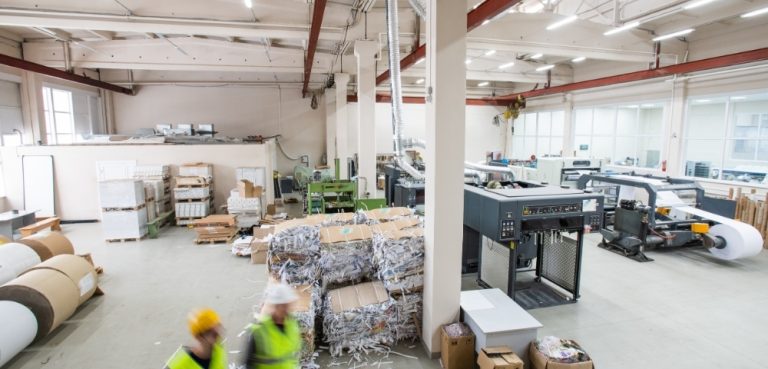
A distribution business channel is a business concept that explains how goods get produced and flow from manufacturers to end users. It revolves around people, systems, and procedures that assist goods in flowing across borders smoothly.
This knowledge of the basics leaves companies more equipped to increase ship speeds, cut costs, and enhance customer relationships.
Key Takeaways
- An efficient Distribution business channel is a key factor in helping a product reach customers and drive growth and profitability.
- The right distribution model selection increases market coverage, cost management, and customer satisfaction.
- The combination of digital tools and automation accelerates, enabling more visible and accurate distribution.
- Top-notch distribution channels pose a permanent competitive advantage in today’s business world.
Defining Distribution Channels and Their Fundamental Role
The distribution channel is an organised pathway of such intermediaries that helps the product distribution reach from the manufacturer to the consumer. It integrates planning, coordination, and control of the flow in order to provide successful service products on time for the market at an optimum level of quality.
It also enables minimum costs across diverse marketing channels.
The Pathway from Manufacturer to End Consumer
You can consider distribution channels as a simple cabling for manufacturers to reach the end consumer. This process comprises a series of storage, transport, and marketing activities that deliver goods through sales channels to where customers demand them.
Why Distribution Channels Determine Business Success
The real reasons are that robust distribution also strengthens market reach, reduces lead time, and heightens product visibility. When built right, each of them allows businesses to surpass their competitors with quicker access.
Further, it helps deliver superior service levels and a dependable distribution network of intermediaries to spur long-term growth.
What Are the Key Components of Distribution Channels?
All distribution channels are built on a consolidated system. Every part is responsible for one thing to control the flow of products’ circulation, cost keeping, and timely delivery through efficient delivery channels, which can also provide customer service.
Manufacturers and Their Role in the Distribution Network
Manufacturers initiate the distribution process by designing products and setting prices, quality requirements, and quantities. The decisions they make affect the overall supply chain distribution.
This will hence affect inventory planning, schedules of delivery, and how products are efficiently introduced to various markets.
Intermediaries: Wholesalers, Retailers, and Distributors
Intermediaries fill the space between production and consumption. These logistics intermediaries facilitate bulk movement, storage, and resale, thereby allowing for more widespread market access as well as relieving manufacturers of the operational burden by sharing both responsibilities as well as expertise.
The Final Link: Connecting Products to End Consumers
Retail stores and websites are the last link to consumers. This level involves accessibility, image, and quality of service, both in terms of customer satisfaction.
It is a determinant for repeat purchases and brand preference, which will contribute to yield business reputation.
How Do Different Types of Distribution Channels Work?
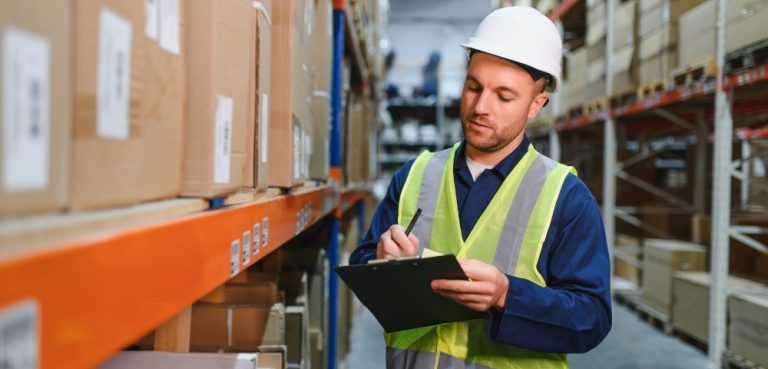
Various distribution models are suitable for different business objectives. Control, reach, and cost are the criteria companies use to select their channels. Picking the sizing for a distribution business channel based on time, efficiency, and effectiveness is an area that varies by industry.
Direct Distribution: Manufacturer to Consumer Model
The direct distribution model allows companies to sell straight to customers without intermediaries. This is where the opportunity to eliminate intermediaries motivates companies to sell directly to consumers.
In the meantime, Brand control is also increased, customer ties are strengthened, and better pricing decisions can be made, all while allowing for faster order fulfillment and response times.
Indirect Distribution: Single-Level and Multi-Level Systems
The indirect distribution network depends on intermediaries to perform most or all distribution functions. With these layered solutions, you can expand market reach.
It lowers the burden on operations, and companies can grow faster by leveraging already existing channel partners and regional knowledge.
Hybrid Distribution Channels for Maximum Market Coverage
What exactly is this?
Hybrid distribution incorporates both approaches , with a direct and an indirect strategy for maximum exposure. Through this, businesses have the flexibility to cater to all distribution channel levels whilst providing extensive availability.
This helps retain control over important customer contacts, as well as facilitating competitive growth strategies.
What Is the Difference Between Direct and Indirect Distribution?
Deciding between a direct and an indirect model affects margins, control, and scalability. If businesses know how each works, it allows them to make distributed choices consistent with product type, user intent, and long-term distribution strategy goals.
Advantages of Direct Distribution Control and Profit Margins
We know that when selling directly, brands have greater control over branding, pricing, and the customer experience. When they remove intermediaries, businesses lower distribution costs significantly.
Not to mention, they can save margins and become more responsive as they offer better customer service on owned platforms.
Benefits of Indirect Distribution for Market Expansion
This type of distribution allows for fast growth via existing networks. Through wholesalers and retailers, businesses from all over the world are given rapid entry to new territories.
It can reduce their investment in infrastructure while enjoying pre-existing transportation and sales expertise.
Choosing the Right Model Based on Product and Market Type
You may know that the selection of channels is also affected by the value and shelf life of the product, as well as demand. Direct models are suitable for high-touch or digital products, while indirect (non-direct) models are suitable for mass-market items and capitalise on pricing strategy, availability, and competitive advantage.
How Do Distribution Channel Levels Impact Business Operations?

The truth is that channel levels indicate the number of intermediaries between manufacturers and consumers. We can see that speed, cost, and complexity of inventory management, coordination, and general operations efficiency throughout the supply chain are affected at each level.
Zero-Level Channels: Direct Sales and E-Commerce Models
Zero-level channels involve no intermediaries. This means that your company can sell directly through in-store or e-commerce platforms.
This capacity leads to accelerated product flow, better visibility and control of data, and enhanced control over customer touchpoints and fulfillment efficacy.
One-Level Channels: Retailer Intermediary Distribution
One-level channels contain one intermediary, typically a retailer. This structure strikes a balance between control and reach, freeing producers to concentrate on manufacturing while retailers are in charge of warehousing, sales, and customer-facing service operations.
Multi-Level Channels: Complex Wholesale Distribution System-Retail Distribution Channels
Multi-level channels involve wholesalers and retailers working together. These networks enable the delivery of volumes at scale and take pressure off producers’ hands.
The most important part is that it enables cost efficiency, reducing the costs of managing high volumes across multiple geographic markets.
What Role Do Intermediaries Play in Distribution Success?
As you can see, intermediaries are fundamental components of many distribution business channel structures. They assist with the movement of merchandise, spur sales, and cut costs. The choice of the right partners and relationship management is actually what can make or break distribution.
Wholesalers: Bulk Purchasing and Regional Distribution Hubs
Wholesalers purchase in bulk from manufacturers and sell to retailers or other businesses that may also be smaller. They cut costs by aggregating these shipments and inventory, economically staying close to the customer who lends them quick replenishment and cost-effective product movement.
Retailers: Final Touchpoint for Customer Engagement
Retailers are the last link between brands and purchasers. They affect the customer experience with their display, prices, and service quality.
Further, retailers can contribute to increasing customer satisfaction by ensuring that products are available, attractive, and convenient in their stores or online.
Distributors and Agents: Specialised Market Penetration
Distributors and agents specialise in particular industries or territories. They offer sales, compliance, and customer support expertise to help manufacturers get into new markets.
However, their knowledge of the local context is what matters to enhance market access and demand forecasting.
How to Design an Effective Distribution Channel Strategy?
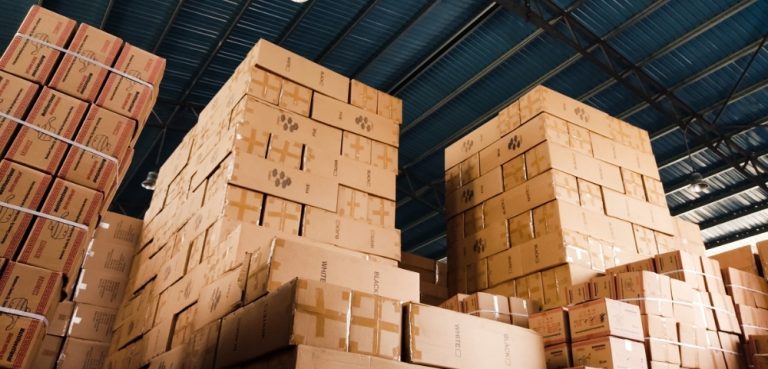
If you wish to establish a powerful distribution channel strategy, it will require extensive research, planning, and ongoing work. In order to develop a channel that maximises reach, control, and profit, businesses need to know what customers are up to, understand products and competitors.
Analysing Target Market and Customer Purchasing Behaviour
Knowing how customers were buying, which means their buying patterns, is critical. Companies look at preferred channels, buying frequency, and regional demand to decide on the right delivery channels.
This understanding dictates whether a direct, indirect, or hybrid approach will yield the best results.
Evaluating Product Characteristics and Shelf-Life Requirements
Products that have a relatively short shelf or quality life requires to control distribution closely. Businesses make critical decisions on Warehousing and transportation to select the right options that maintain product integrity, based on durability, storage requirements, and handling risks.
Benchmarking Competitor Distribution Models and Best Practices
The reason you need a competitive analysis is that it shows what works in the market. Companies review competitors’ distribution strategy, pricing, and channel performance, looking for points of difference.
This allows them to accept best practices while creating distinctive advantages through innovation and efficiency.
What Are the Benefits of Optimised Distribution Channels?
Streamlined channels lead to more efficient operations and faster growth. They cut waste, shorten delivery times, and build up customer loyalty.
When distribution works, businesses can grow faster and beat the competition.
Enhanced Market Reach and Geographic Expansion
Once channels are optimised, brands can reach more customers across regions. Effective market reach allows companies to grow without having to make massive investments in infrastructure by leveraging powerful channel partners and regional distribution networks.
Improved Operational Efficiency and Cost Reduction
It is evident that effective distribution cuts down on loss of time, storage charges, and shipping delays. Cooperation between channel partners and the supply chain provides greater cost efficiency to facilitate faster delivery of products at lower costs for retailers.
Increased Customer Satisfaction Through Timely Delivery
A significant portion of credit for timely delivery and steady supplies of stock goes to the well-trusted customer.
Buyers are confident when products arrive on time and in good shape. This results in repeat orders, favourable reviews, and brand allegiance amidst fierce market competition.
How Does Digital Transformation Impact Distribution Channels?

You may have noticed how digital transformation is changing how products move and reach customers. Contemporary distribution means supply chain processes that take place online, real-time tracking, and automation. Businesses that go digital get quicker, more transparent service and better customer relationships in an increasingly competitive market.
E-Commerce and Direct-to-Consumer Digital Platforms
Manufacturers have the opportunity to sell directly through direct-to-consumer and E-commerce models, resulting in decreased reliance on intermediaries. These channels accelerate order fulfillment time, provide real-time inventory visibility, and create stronger customer relationships through targeted marketing and rapid delivery.
Omnichannel Distribution Strategies for Modern Consumers
Omnichannel distribution integrates physical stores and online platforms, including all delivery services involved. This tactic provides enhanced customer convenience, further assimilation of brand-level, and increased customer satisfaction by expanding the choice of purchase options and assistance in post-sales.
Automation and Real-Time Tracking in Distribution Management
Automation and tracking can help logistics be more efficient and less error-prone. Moreover, real-time information enhances forecasting, decreases delays, and allows for more efficient inventory management.
Businesses can keep track of shipments, map out optimal routes, and respond efficiently to disruptions, which makes everything more efficient across the supply chain.
What Challenges Do Businesses Face in Distribution Management?
Distribution management is tricky and needs a lot of thinking. The conflicts between partners, branding inconsistency, and price pressure are common in today’s world. Solving these challenges is among the top priorities for the business to remain competitive and be profitable.
Managing Channel Conflicts Between Intermediaries
When intermediaries compete or argue about pricing and territory, that is when channel conflicts emerge. Such conflicts decrease productivity and harm the brand.
This is where businesses need to have clear rules of the game, manage relationships with partners and rights holders, and weigh distribution costs against cooperation over the long term.
Maintaining Brand Consistency Across Multiple Channels
Products may be presented differently at image and non-image sites. In this competitive market, leaders have realised they need to control the message, pricing, and customer experience in order to maintain brand control.
If you research, you will see that uniform branding between platforms inspires trust and fuels growth in the long run.
Balancing Distribution Costs With Profit Margins
Distribution requires significant investment in logistics, Warehousing, and transportation. This is when the companies need to strike the right balance with distribution costs and profit targets by focusing on the best routes, minimising inefficiencies, and choosing affordable channels that still deliver in terms of customer experience.
How to Integrate Technology into Distribution Operations?
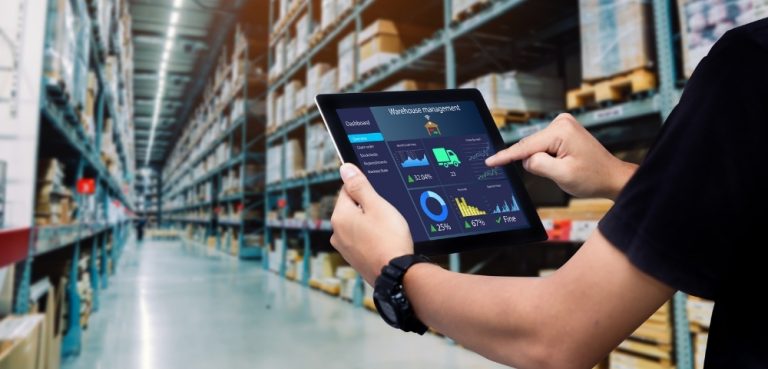
Technology is one of the most vital factors when it comes to success in today’s distribution environment. It helps to coordinate partners, improve inventory accuracy, and accelerate deliveries. Enterprises that apply smart systems will achieve more efficient control and quicker response to the market.
Supply Chain Management Systems for Channel Coordination
Supply chain management systems integrate a manufacturer, its intermediaries, and retailers into a single network. The real-time planning, order tracking, and demand forecasting features powered by these tools can enhance efficiency and smarten supply chain logistics management.
Warehouse Management and Inventory Optimisation Tools
Warehouse equipment streamlines the storage, picking, and tracking process for accuracy and efficiency. These systems help with efficient inventory management, decrease waste, and assist companies in responding to customer demand without running out of stock or overstocking.
EDI and Real-Time Data Exchange With Channel Partners
Electronic Data Interchange (EDI) allows the sharing of orders, invoices, and shipment information. Deeper real-time data sharing enhances coordination with channel partners, enabling fewer errors and faster delivery throughout the complete distribution network.
Real-World Examples: Successful Distribution Channel Models
Exploring real-world examples will help explain how distribution works in real life. The brands that win in distribution get the channel mix right and invest in strong partner relationships and intelligent technology. These models illustrate how the combination of strategy and execution spells business success.
Direct-to-Consumer Success Stories in E-Commerce
Some brands do it successfully by selling directly through e-commerce sites. This one helps profitability, improves customer responses, and enables quicker innovation.
Direct selling lets businesses manage pricing, brand experience, and how quickly they can launch products.
Multi-Level Distribution Excellence in the FMCG Industry
Have you noticed that FMCG brands rely on wholesalers and retailers to reach wide markets quickly? This multi-level is designed to get products out to the frontiers and into stores, with an orbit that boasts high availability and penetration in the marketplace through these existing distribution levels.
Hybrid Channel Innovation in Retail Transformation
Online and offline hybrid distribution makes convenience and accessibility better. Online chains keep physical stores for customer experience; online also enables quick delivery.
This is a model decision where cost meets customer satisfaction.
Why Choose Tigernix for Distribution Channel Management?
Tigernix has what you need to make both the distribution and visibility of your products more efficient, helping you save dollars beyond other costs. TigernixWMS is an integrated Warehouse Management solution that delivers end-to-end visibility and collaboration across purchasing, production, Warehousing, and distribution to maximise the return on your inventory investment faster than ever before.
Comprehensive Supply Chain and Logistics Automation Solutions
TigernixWMS automates the whole supply chain distribution cycle. From ordering to fulfillment, a business’s manual labour is reduced, and accuracy is increased, thereby enabling faster , easier management of large networks with our solution.
Seamless Integration With Procurement and Warehouse Systems
Procurement and warehouse utility integrations for seamless network operations. Tigernix links the Warehousing, inventory, and sales systems, so tracking becomes instant and co-operation between manufacturers, distributors, and retailers is better harmonised.
Real-Time Visibility and Analytics for Distribution Optimisation
TigernixWMS provides statistics that report on performance, spot bottlenecks, and improve logistics management. Real-time insight enables businesses to optimise routes, save costs, and increase customer satisfaction due to faster and more reliable delivery.
Ready to Optimise Your Distribution Channels?
If you want faster delivery, greater market reach, and higher profitability, it is time to level up your distribution system. Consult Tigernix experts to get your channel strategy right and automate processes for proven results.
Consult With Tigernix Distribution Management Experts
Tigernix consultants will examine your requirements and customise a distribution plan through WMS for you. Our consultants work to improve channel relationships, optimise order fulfillment, and drive growth in all markets, all under one digital platform.
Call for a free demo.
Discover How Automation Can Reduce Distribution Costs by 35%
Automation makes way for fewer errors, better control of inventory, and faster delivery. Maximising efficiency and removing manual processes can result in significant cost savings and increased profitability throughout the distribution network.
Tigernix- Transform Your Supply Chain With Intelligent Business Channel
FAQs About Distribution in Business Channel
What Is a Distribution Business Channel in Simple Terms?
A distribution business channel is the path a product follows from the manufacturer to the customer. It includes people, systems, and processes that store, transport, and sell products, ensuring they reach the right market efficiently and on time.
Why Is a Distribution Business Channel Important for Companies?
A strong distribution business channel helps companies reach customers faster, reduce operating costs, and improve service quality. It directly affects market coverage, delivery speed, pricing control, and customer satisfaction, making it a critical factor for business growth and competitiveness.
What Are the Main Types of Distribution Business Channels?
The main distribution business channel types are direct, indirect, and hybrid. Direct channels sell straight to customers, indirect channels use intermediaries, and hybrid channels combine both. Businesses choose based on product type, customer behavior, cost structure, and market reach goals.
How Do Companies Choose the Right Distribution Business Channel?
Companies select a distribution business channel by analysing customer preferences, product characteristics, geographic reach, and costs. They also study competitor models and logistics capabilities to balance control, scalability, and profitability while effectively meeting customer expectations.
How Does Technology Improve the Distribution Business Channel?
Technology improves the distribution channel by enabling real-time tracking, automated inventory management, and faster order processing. Digital tools enhance visibility, reduce errors, and support data-driven decisions, helping businesses deliver products efficiently while lowering costs and improving customer experience.