

Did you know? In the warehouse industry, the average picking error rate remains between 1 and 3%, while best-in-class warehouses operate below 0.5% error and achieve the industry standard 96%–98% accuracy. In retail warehousing, even a small mistake can completely take away the perfection from your entire operation. That is where you will see the gap between loyal customers and costly returns. If you are looking for answers to the question ‘how to reduce picking errors in warehouse operations without slowing fulfilment, you are not alone.
Picking mistakes immediately reduces profit margins, undermines brand credibility, and raises reverse logistics expenses. A single incorrect SKU or delayed shipment might negate the effectiveness of hundreds of flawless orders.
This comprehensive article explains selecting accuracy in language that applies to everyday situations. You will gain insight into why mistakes occur in hectic retail settings, which procedures truly stop them, how technology and training interact, and how a contemporary WMS enables you to go from reasonable accuracy to nearly flawless order fulfilment—consistently, predictably, and at scale.
We will discover
- Why Do Picking Errors Happen in the First Place?
- What Processes Can Improve Picking Accuracy Metrics?
- How Can Technology Reduce or Eliminate Picking Errors?
- How to Train and Support Warehouse Pickers Effectively?
- How to Analyse Picking Errors and Prevent Recurrence?
- How to Choose the Right Tools and Systems for Pick Accuracy?
- How Do You Measure the Success of Picking Accuracy Improvements?
- FAQ About Reducing Picking Errors in the Warehouse
Why Do Picking Errors Happen in the First Place?
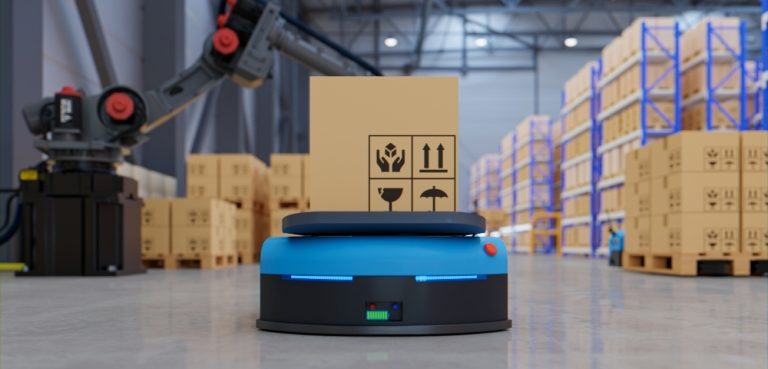
Understanding the root causes of picking errors is essential. Human mistakes, process gaps, and system limitations all contribute to inaccuracies, and identifying them helps you target improvements for faster, more reliable retail warehouse operations.
Understanding Different Types of Picking Errors
Picking errors in a retail warehouse come in many shapes. However, it is also possible that you will send the wrong SKU, a different quantity of an item or forget to include something altogether.
These small order picking errors may seem insignificant, but they soon escalate with increasing order volumes. With the expansion of your SKU catalogue, similar packaging, including size or labelling, generates confusion.
You may also experience mis-picks during promotions or high seasons without an efficient warehouse picking process in place. These errors eventually erode the inventory picking efficiency and increase returns.
This is where knowing what specific error types are gives you a guideline for prioritising controls, particularly if your focus is on reducing pick error rate rather than just responding to errors.
Key Takeaways
- Well-documented process flows, clean pick paths, and precision replenishment set the stage for errors to be avoided before technologies or labour pressure have compounded them.
- When every pick is guided by systems and validated, you end up with greater accuracy.
- With WMS-based automation, scan and real-time validation replace an accuracy model that relies on the recall of humans with logic-driven systems to greatly reduce mis-picks and fulfilment errors.
- You maintain picking accuracy with data, training, testing and improvement.
Human, Process, and System-Related Causes
Human error warehouse concerns are most commonly experienced in retail warehouses. Tiredness, distractions and time-pressured shifts lead to errors.
However, process gaps exacerbate those errors. Ambiguous map content, inadequate directions, and varying methodologies confuse seasoned staff.
You must not forget that technology gaps also matter. When you do not have a WMS picking module, pickers either need to rely on memory or have paper lists, which introduces risk.
These weaknesses get worse and make it more difficult to break picking errors consistently over time. One approach to mitigate this limitation is to address all three levels together, not separating them, if we are aiming for sustained improvements in accuracy.
How Warehouse Complexity Impacts Accuracy
Retail warehouses have a complex character. Have you noticed?
A high SKU count, quick-moving promotions, and frequent replenishment cycles add pressure to get it right. Walking time, congestion and cognitive load all increase as the complexity of the layout does.
Without route optimisation, pickers zigzag through the aisles, leading to exhaustion and errors. It even leads to order picking errors and complex storage without logic.
The dynamics of the warehouse, for example, if you simplify layouts, apply controlled flows and decrease unneeded deciders, etc., you can increase resume accuracy while still moving quickly.
What Processes Can Improve Picking Accuracy Metrics?
Optimising warehouse processes reduces mistakes before technology comes into play. Standardised workflows, slotting, zoning, batching, and coordinated replenishment ensure pickers work efficiently, improving warehouse picking accuracy while maintaining speed and order fulfilment reliability.
Standardising SOPs and Pick-Path Design
SOPs will enforce consistent daily picking with no guesswork involved. If everyone goes through the picking workflow design, accuracy will simply be better.
Tracing clear of pick paths prevents doubling back and traffic jams. Paths that agree with demand velocity are a boon to retail warehouses. This consistency is invaluable to helping improve warehouse-picking best practices by ensuring that accuracy does not simply depend on the person’s experience.
Moreover, documenting and enforcing your SOPs will actually make you spend less time in training yet increase first-day productivity even as you protect fulfilment quality.
Zoning, Batching, and Slotting Strategies
In smart zoning, fast-moving SKUs must be pulled from slow movers. This allows a zone picking strategy which reduces picker travel and confusion.
If you use the batch picking method, you avoid multiple trips into the same aisle. A good warehouse slotting strategy will guarantee you are not reaching way up high or bending down low, and that the items are near packing areas in high volume sales SKUs at retail.
Combined, these techniques reduce congestion, improve the warehouse picking rate and enable higher order picking speed while maintaining accuracy.
Replenishment Coordination to Avoid Pick Disruptions
Bad repick timing causes picking disturbance along with missing articles. When pickers go to empty spots, accuracy and confidence both plummet.
Collaborative replenishment allows shelves to be filled before picks start. This enhances warehouse management and minimises spontaneous substitutions.
What is more, routine warehouse cycle counting also confirms system data against physical product on hand. The rhythm of replenishment and picking emerges as one, and accuracy is stabilised in addition to an increased trust that the pickers hold toward the system.
How Can Technology Reduce or Eliminate Picking Errors?
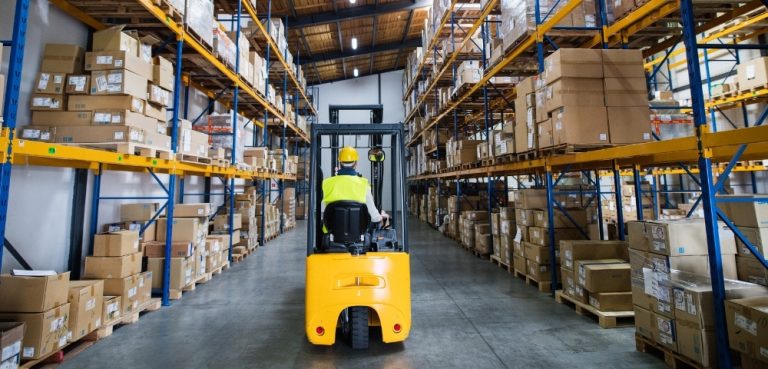
Technology transforms warehouse accuracy. WMS automation, warehouse barcode scanning, RFID, and pick-to-light system implementations validate each pick, prevent mistakes, and streamline operations, supporting consistent high performance even during peak retail demand.
WMS-Driven Pick Validation and Automation Rules
Accuracy is ingrained in a WMS, ensuring everything is done properly. For a start, in WMS picking automation, the picker cannot confirm whatever job unless that task meets validation rules.
This forms a real picker verify system, eliminating any wrong SKU or quantity choices. With the successful implementation of an automated picking system, the accuracy of storing and removing items is a transition from human memory to system logic.
Retail warehouses profit as promotions and substitutes are centrally managed. Likewise, the disparities are minimised and so is the need for hands-on decisions.
Barcodes, RFID, and Mobile Scanning Workflows
Without the latter, retail fulfilment ceases to function in our modern world. Verified scanning at the warehouse level utilises a barcode scanner.
More sophisticated operations might want to utilise the RFID picking system functionality for even quicker confirmation. By associating warehouse barcode scanning with WMS mobile picking, you no longer have to work off paper and transcription errors are no more.
It helps increase inventory visibility and enables rapid, efficient picking even in the busiest times.
Pick-to-Light and Put-to-Light Accuracy Enhancements
When pick densities are high, layer pick systems eliminate errors. For a pick-to-light system, the picker is simply instructed on location and to what quantity by the display: reduced risk of errors in interpretation.
This pick-to-light option is ideal for retail SKUs with shelf space for volume velocity. In the case of reverse flows, put-to-light guarantees correct sorting.
Further, paired with voice pick technology, these applications enable hands-free operations and greater picking accuracy with second carriers behind on throughput.
How to Train and Support Warehouse Pickers Effectively?
Well-trained pickers are your first line of defence against errors. Structured onboarding, picker training techniques, and ergonomic workflows reduce mistakes, lower cognitive load, and ensure consistent warehouse picking best practices across your team.
Skill-Building and Onboarding Structure
Over these years, we have witnessed how a good onboarding process can minimise early errors and establish the pattern for long-term accuracy.
With structured warehouse picking training, you eliminate the doubt–every picker knows the system, layout and quality expectations on day one. Employing established picker training techniques, you learn faster and hesitate less while live picking.
Also, when focusing on accuracy over speed, you can enhance first pass yield warehouse and get new hires to contribute faster to dependable fulfilment results.
Reducing Physical and Cognitive Load
Picking products in a retail setting is hard work, and unmitigated strain leads to mistakes. Too much walking, bending and having to constantly make decisions causes fatigue and decreases concentration.
This is where the optimised designs with the mobile warehouse picking feature reduce mental exertion by providing a clear direction at every step. With the guesswork removed, pickers concentrate on execution, not interpretation.
As you can see, this decreased cognitive load translates directly into better inventory picking accuracy and performance throughout long, high-volume shifts.
Ergonomic Improvements and Workstation Design
Ergonomics are not always given the priority they deserve, but they play a huge part in accuracy. Will you agree?
Proper workstations, appropriate shelf heights, lighting and sensible item placement all reduce the likelihood of physical strain during a shift. These improvements have a positive impact on warehouse quality control, allowing pickers to comfortably and efficiently fulfil orders.
With less physical strain, pickers stay focused, commit fewer errors and create consistent measures of warehouse performance both during the peak rush and off-peak times.
How to Analyse Picking Errors and Prevent Recurrence?
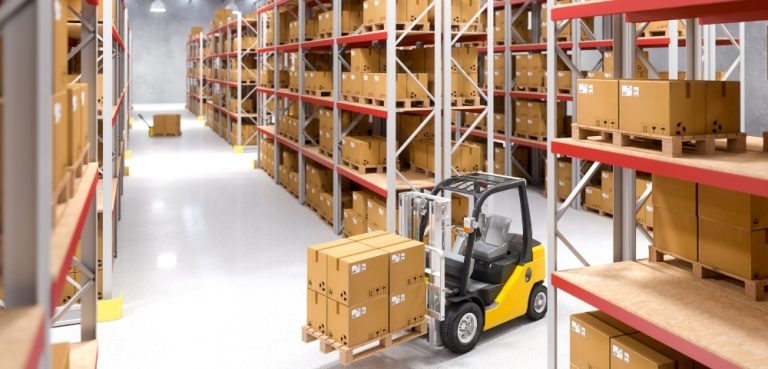
Data-driven error analysis is an important point here. Root-cause frameworks, picking a KPI dashboard, and SKU-level heat-maps help you identify patterns, fix systemic problems, and prevent repeat mistakes, ensuring continuous improvement and higher fulfilment accuracy.
Root-Cause Analysis Frameworks
Every mistake in picking gives valuable information if you analyse it correctly. As your practice gets better at warehouse error analysis, you will also be able to see if errors are due to a problem with layout, training or system constraints.
By using consistent root-cause frameworks, you transition from salves to long-term ointment for warehouse error prevention. Not to mention that this disciplined process prevents chronic issues, improves the reliability of your processes and leads to a more stable, reliable fulfilment environment over time.
Picker Performance Tracking and Dashboards
The theory in the warehouse is simple: you need to see correctly to improve. A well thought-out picking KPI dashboard provides real-time visibility to accuracy, speed and trends at the individual picker level.
When monitoring, if the picker accuracy is not there, you will know where their coaching needs improvement, and where they deserve a pat on the back for consistently nailing it. In the long run, such dashboards help to coordinate individual behaviour with the larger goals of warehouse picking automation.
Ultimately, the latter leads to enhanced accountability and consistency across teams.
Error Heat-Maps and SKU-Level Patterns
Error heat-maps expose patterns that you may not see in reports alone, enabling you to identify troublesome SKUs or zones. It is this level of targeted knowledge that makes for finely-tuned corrective action, as opposed to sweeping production overhauls.
When analysing SKU-level trends, these tools can support with continued accuracy improvements in picking, address systemic-not individual-issues, and elevate perfect order rate.
How to Choose the Right Tools and Systems for Pick Accuracy?
Not to mention that choosing the right technology enhances accuracy. Modern WMS features, system integration, and real-time inventory visibility streamline operations, reduce human errors, and enable precise control over your retail warehouse picking processes.
Key Features of a Modern WMS
One of the main features of a successful and error-free picking process, at scale, is based on having a retail-ready WMS. Key functionalities on the platform include task verification, guided workflows, exception management, and live analytics.
These functionalities directly contribute to the picking process optimisation, reducing human intervention in crucial matters.
The other upside is comes with system memory-based accuracy, and you can maintain steady warehouse picking accuracy through varying order volume and SKU complexity.
System Integrations with Scanners, Conveyors, and ERP
There can be delays and differences in data because the systems are not connected. When scanners, conveyors and ERP platforms all work together close to seamlessly, data can flow in real time without a human touch for the pick verification system.
This synchronisation minimises discrepancies, accelerates transaction confirmation and enhances order execution precision.
Furthermore, tight integration also safeguards warehouse inventory control by maintaining alignment between the systems on every pick, move and update.
Real-Time Inventory Visibility and Validation Logic
Immediate stock visibility is important in high-turnover retail situations. Livestock updates prevent false stock and minimise last-minute substitutions.
Validation logic must be there to ensure each pick is consistent with the current inventory data before confirmation. This solution enables achievable picking accuracy benchmark targets and maintains the warehouse’s stable picking rate during promotions, seasonal peaks or times of rapid order surge without sacrificing fulfilment reliability.
How Do You Measure the Success of Picking Accuracy Improvements?

Monitoring KPIs, setting realistic benchmarks, and applying continuous improvement loops let you evaluate and sustain accuracy gains. This approach ensures measurable progress and strengthens picking accuracy improvement over time. Let’s dive deeper:
Key KPIs to Monitor (Accuracy Rate, Cycle Time, Cost-Per-Pick)
We measure the appropriate KPIs to make sure that improvements are effective and lasting. The accuracy rate, cycle time and cost per pick give an unbiased picture of quality combined with productivity.
These Key Performance Indicators (KPIs) for warehousing clearly show if the process change is really reducing order fulfilment accuracy errors, not creating more inefficient human labour or slowing down other production in progress. You can build the right KPI tracking and know when to push a feature, without making assumptions.
Setting Realistic Improvement Benchmarks
Targets for improvement should be bold but realistic. Performances compared to a challenging but realistic picking accuracy benchmark can keep teams motivated and focused on improvement.
Small, consistent improvements will, in turn, result in sustainably better picking accuracy; unrealistic goals will lead to either cheating the process or burnout. Clear benchmarks also allow you to monitor the real impact of process changes and technology investments over time.
Continuous Improvement Loops
Improving accuracy is never a project. This means that continuous improvement loops enforce that gains stick, even as volumes, SKUs and customer expectations change.
Routinely reviewing the process, providing performance feedback and adapting systems are reinforcing mechanisms for best practices. The method helps in preventing warehouse errors over the long term while allowing for an accuracy that scales without frequent firefighting and operational interruption.
Why TigernixWMS Is the Key to Reducing Picking Errors
TigernixWMS combines automation, validation, and analytics to minimise mistakes, boost inventory picking accuracy, and provide actionable insights, helping you achieve near-perfect warehouse picking performance efficiently and consistently.
Automated Picking Workflows with Real-Time Validation
TigernixWMS is a powerful Warehouse Management System that ensures precision in each and every stage with intelligent auto-piloting. Our system offers real-time validation, and with that feature, errors in items or quantities can be identified the same day they are created, not weeks later on the shelf.
This system-led control is what enables you to find answers to your challenge, how to reduce picking errors at the warehouse level at scale, even in high-volume retail environments with daily promotions and narrow delivery windows.
Error-Proofing through Mobile Scanning and RFID
TigernixWMS comes with integrated mobile scanning and RFID to eliminate dependence on memory and manual cross-check. As the system confirms every move in real-time, this tool helps secure inventory picking precision. Even during busy retail demand periods, pickers are half as fast with the direct orders, and the system is compensating for errors instead of preventing them.
Advanced Dashboards for Picker Performance
Its powerful analytics dashboards provide you with a clear view of how pickers are behaving and their performance trends. With real-time operational data, you can pinpoint strengths, coaching opportunities, and repeat risks.
These observations drive proactive management and continual refinement of accuracy without the need for micromanagement or manual reporting.
How to Schedule a Demo and Transform Warehouse Accuracy
If you are bracing yourself up for reducing mistakes and increasing your fulfilment accuracy, TigernixWMS is the base on which to build. By integrating automation, validation and analytics, it demonstrates how to reduce picking errors warehouse pains into quantifiable operational wins. Scheduling a demo is the first step toward consistent, high-accuracy in-store execution.
Call for a free demo now.
Tigernix-The Perfect Warehouse Is Not a Dream Anymore.
FAQ About Reducing Picking Errors in the Warehouse
What Are the Most Common Causes Of Picking Errors In Retail Warehouses?
Picking errors usually result from human fatigue, unclear pick paths, poor slotting, inaccurate inventory data, and limited system validation. High SKU similarity and peak-season pressure further increase mistakes when processes and technology are not tightly aligned.
How Can A Warehouse Reduce Picking Errors Without Slowing Down Fulfilment?
You reduce errors without sacrificing speed by standardising workflows, optimising layouts, using real-time validation, and guiding pickers through mobile or automated systems. Accuracy-first design ultimately increases throughput by eliminating rework, returns, and exception handling.
What Level Of Picking Accuracy Should A Retail Warehouse Aim For?
Most retail warehouses operate at 96–98% accuracy, but best-in-class operations achieve below 0.5% error rates. Setting realistic benchmarks and improving incrementally helps you move from industry average to high-performance fulfilment without operational disruption.
How Does A Warehouse Management System Help Prevent Picking Errors?
A modern WMS enforces correct picks through task validation, guided workflows, scanning verification, and real-time inventory updates. These controls remove reliance on memory, reduce decision-making errors, and ensure mistakes are caught before orders leave the warehouse.
Why Is Picker Training Still Important When Automation Is Used?
Automation reduces errors, but trained pickers ensure systems are used correctly. Proper training improves compliance, reduces workarounds, and helps staff respond confidently to exceptions, peak demand, and system alerts—maintaining accuracy even in high-pressure retail environments.