

Ever wondered how many decisions managers and executives make? Together, they reach nearly three billion each year! Some may be profitable, while some may be chaotic. However, the difference between success and failure hinges on one thing: effective decision-making. But how can businesses make the right calls when data floods in from every direction? Enter business analytics, the tool transforming piles of raw information into clear, actionable insights. Business analytics helps leaders cut through the noise, understand trends, and predict outcomes with surprising accuracy.
This article dives into why business analytics has become a must-have for smart decision-making.
We will discover
- What is Business Analytics?
- The Importance of Decision Making in Business
- How Business Analytics Supports Decision Making
- Types of Decisions Enhanced by Business Analytics
- Key Benefits of Using Business Analytics in Decision Making
- Challenges in Implementing Business Analytics for Decision Making
- The Future of Business Analytics in Decision Making
- AI-Powered Business Analytics for Right Organisational Decisions
What is Business Analytics?

- Business analytics is the mechanism of using data, statistical methods, and technology to help businesses make smarter decisions.
- However, this is not a one-way process. It combines four main components that work together. Descriptive analytics explains what happened in the past, while diagnostic analytics digs deeper to find out why it happened. Predictive analytics looks at patterns to forecast what might happen next, and prescriptive analytics suggests actions to take for better results.
- Over time, business analytics has grown with the rise of big data, faster computing, and advanced software, making it more powerful and accessible. Companies now explore insights more easily. It turns raw information into meaningful strategies that guide daily and long-term decisions.
The Importance of Decision Making in Business

Decision-making shapes how a business grows, competes, and survives because every choice directly influences its direction and results.
Leaders make decisions daily, from small operational moves to big strategic plans, and each one carries weight. Yet, many businesses struggle because uncertainty clouds the future, personal bias skews judgement, and incomplete or messy data limits clarity.
These hurdles usually lead to missed chances or costly mistakes.
With business analytics, companies tackle these problems head-on, as it brings clear evidence, uncovers hidden patterns, and replaces guesswork with facts. When businesses rely on analytics, they build decisions on insight instead of assumptions, which strengthens confidence and drives smarter outcomes.
How Business Analytics Supports Decision Making

This supports decision-making since it turns raw data into clear, useful insights that guide every step, as we mentioned. It helps managerial teams make data-driven choices instead of relying on gut feelings, which reduces mistakes and builds confidence.
Plus, analytics removes much of the guesswork, letting leaders see accurate numbers and real trends before acting. It also digs deep into data to uncover hidden patterns, unexpected relationships, and meaningful trends that people might miss at first glance.
With this knowledge, businesses can adjust their strategies, spot opportunities early, and avoid risks. As a result, analytics makes decisions sharper, smarter, and more aligned with what truly happens in the market.
Types of Decisions Enhanced by Business Analytics

Strategic Decisions
These decisions guide long-term goals like where to compete, how to grow, and how to position in the market. Business analytics uncovers trends, customer needs, and competitor moves, so leaders plan with confidence. It helps them choose clear directions that align with what the data reveals about future possibilities.
Tactical Decisions
The latter focuses on short-term actions such as setting prices, designing campaigns, or adding product features. Analytics brings clarity here because it shows which prices attract buyers, which messages resonate, and which features customers value. Teams can adjust plans quickly when they see real numbers, making every tactic more precise and more likely to succeed.
Operational Decisions
This keeps daily activities running smoothly, like managing stock, scheduling staff, or optimising workflows. With analytics, this will be easier, as it highlights patterns in demand, employee performance, and resource use. Analytics make managers respond faster to changing conditions, reduce waste, and make sure everything works efficiently without overloading people or missing deadlines.
Key Benefits of Using Business Analytics in Decision Making
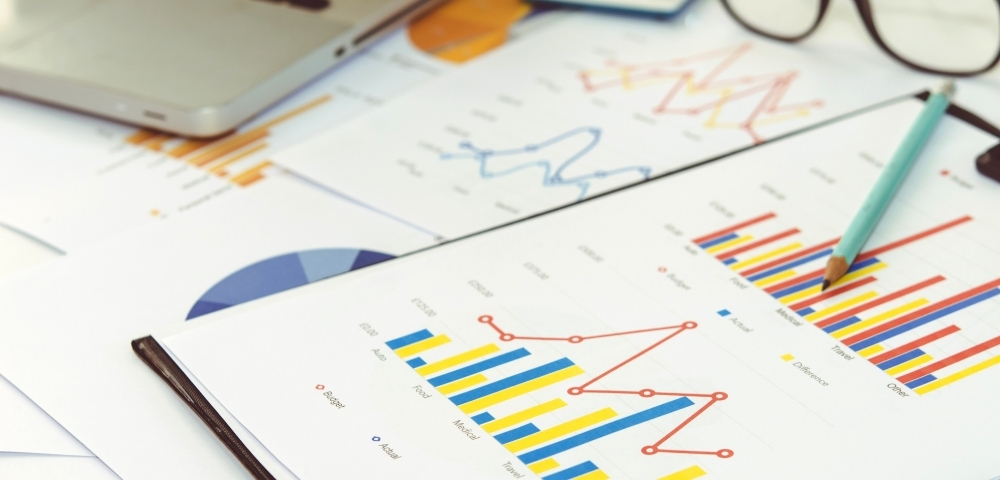
Improved Efficiency and Productivity
This improves efficiency and productivity with its ability to help businesses work smarter, not harder.
When there are business analytics, project teams can use data to figure out which processes take too much time or waste resources, so they can fix them quickly. When everyone understands what slows things down, they stop repeating mistakes and focus energy where it matters most.
Analytics also helps managers allocate resources better because they see exactly what each task needs. As a result, employees do not feel overworked or confused, and projects move faster without cutting corners.
This way, data shows clear priorities, which keeps everyone on track and avoids distractions. Over time, businesses save money, accomplish more, and deliver results faster because analytics keeps the entire operation aligned. The real beauty of this is that even small changes based on insights create big improvements in how smoothly everything runs.
Enhanced Risk Management
Business analytics enhances risk management by revealing problems before they grow too big.
We know that companies deal with many risks, like market changes, supplier delays, or customer complaints, and analytics helps spot warning signs early. When project teams monitor data closely, they notice unusual patterns that point to possible trouble. They can then adjust plans or put safety measures in place before harm happens.
This proactive method reduces surprises and keeps operations steady even during uncertainty.
Analytics also helps evaluate which risks carry the most impact, so businesses focus on solving the most serious ones first. Instead of reacting in panic, they act calmly with facts backing their decisions. Since analytics uncovers both obvious and hidden risks, companies feel more confident handling challenges.
This keeps finances, reputation, and relationships secure while creating space for smarter choices moving forward.
Better Customer Understanding and Satisfaction
The latter simply strengthens customer understanding and satisfaction, giving a clear picture of what customers really want.
Companies collect data on buying habits, feedback, and preferences to see patterns in behaviour. They discover which products or services customers enjoy most and which ones they ignore. With this knowledge, businesses create experiences that feel more personal and meaningful.
They can improve service quality, recommend better options, and solve complaints faster. When customers feel understood and valued, they stay loyal and share positive reviews, which attracts even more people.
In another way, analytics helps predict what customers might need next, so companies stay ahead of expectations instead of just catching up. As teams listen to the story told through data, they build stronger connections with customers that last longer.
This leads to happier customers who return again and again.
Competitive Advantage through Faster, More Informed Decisions
It gives companies wings to decide faster and smarter than others. When decisions depend only on opinions or guesses, businesses move slowly and risk falling behind. With analytics, teams quickly access real-time information about markets, competitors, and internal performance.
This speed means they grab opportunities before others notice and avoid making choices that hurt progress.
Analytics also ensures those decisions stand on solid evidence instead of risky assumptions, so businesses feel confident moving forward. As industries become more dynamic, the ability to act fast without losing accuracy sets companies apart from rivals.
It is noticeable that the companies using analytics stay one step ahead, adjusting strategies to fit new trends and customer demands. Because they understand their environment clearly and respond quickly, businesses strengthen their position and attract more customers. This creates momentum that keeps them in front of the competition.
Challenges in Implementing Business Analytics for Decision Making
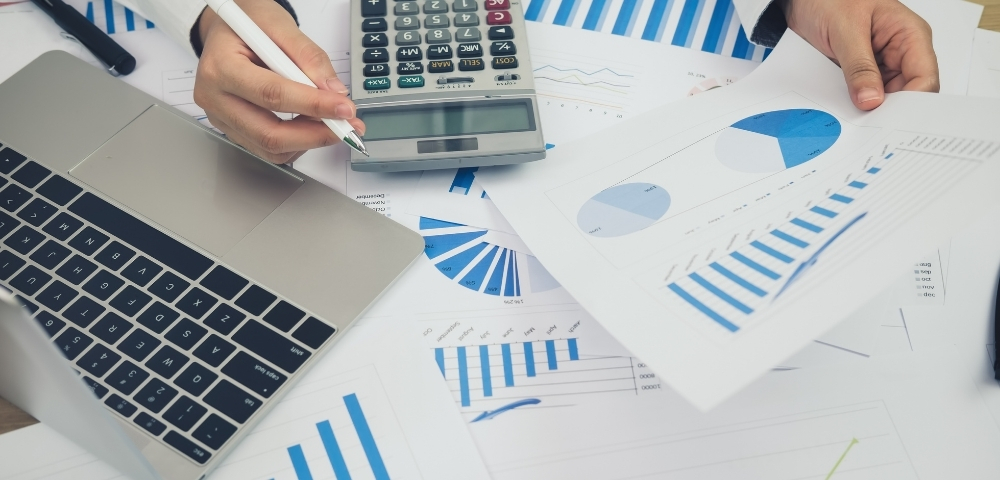
Implementing business analytics for decision-making brings challenges that businesses must face with clarity and determination. Many struggle due to the fact that data comes incomplete, outdated, or scattered, making it hard to trust insights.
Others face skill gaps where employees lack the knowledge to read and use analytics properly, leaving teams confused or hesitant. Some people even resist adopting analytics because they feel uncomfortable with change or rely too much on tools without thinking critically.
To overcome these issues, leaders need to create a mindset that values learning and improvement.
They should train teams, clean and organise data carefully, and remind everyone that tools help but do not replace human judgement.
However, this cannot be done overnight. With patience and a clear strategy, businesses can turn these challenges into stepping stones toward smarter and stronger decisions, showing how determination and teamwork make analytics work effectively for everyone involved.
The Future of Business Analytics in Decision Making
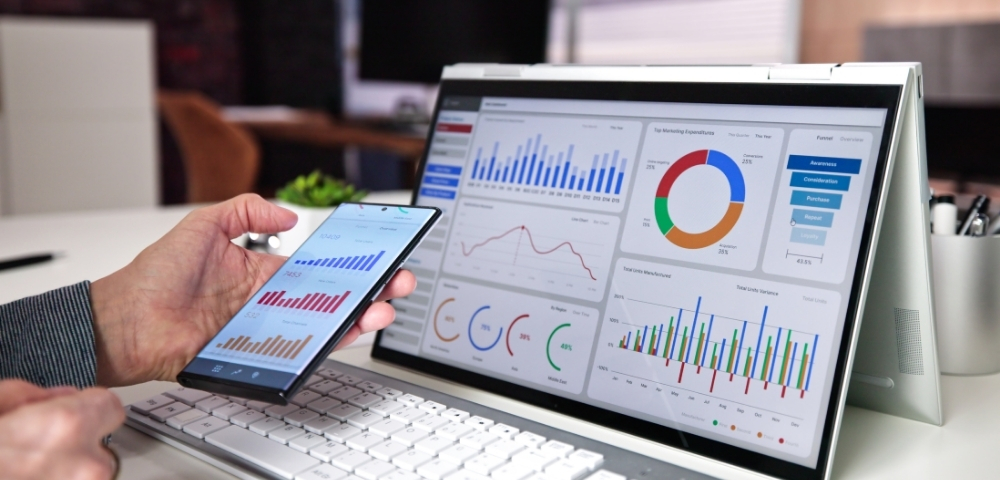
If you keep a closer eye on business analytics, you may notice that its new trends continue to shape how companies work smarter.
For example, artificial intelligence drives deeper insights and automates complex tasks, while real-time analytics lets teams react instantly to changes instead of waiting for reports. Increased personalisation also takes centre stage, helping businesses tailor products, services, and communication to individual needs with greater precision.
At the same time, the importance of ethical and transparent analytics keeps growing because customers and regulators demand fairness, honesty, and respect for privacy.
Organisations that embrace these trends stay ahead by investing in advanced tools, training their teams, and building trust through clear practices. They listen to their data but also keep human judgement alive, making decisions that feel both intelligent and responsible.
As businesses adopt these innovations with care and creativity, they create stronger connections, sharper strategies, and better outcomes for everyone involved.
AI-Powered Business Analytics for Right Organisational Decisions

Your business already holds the data. However, it is time you let AI reveal its underlying story. Embedding AI-driven Business Analytics in your organisational culture fuels smarter choices, reduces risk, and keeps you ahead. Don’t wait for competitors to figure it out first. Dive into AI-powered analytics through a reputed partner now and watch your decisions evolve into confident, winning actions.