Did you know that the types of retailers determine the pathway by which products travel from factories to consumers’ hands? Also, what does it mean to be a retailer, and why should we focus on these questions? In the simplest terms, a retailer is a party that sells goods to the end customer.
Knowing the type of retailers enables businesses to select an appropriate model, and this leads consumers to understand how pricing, service, and product offerings vary. The retail landscape, which is worth $32.9 trillion in 2026, is changing rapidly, shifting from brick-and-mortar stores to online platforms.
This article outlines what retailers are, the various types of retailers out there, from store-based to nonstore-based retailers, as well as ownership type and trends in sales channels, and lastly, ending with the expanding role of retail today.
We will look into
- What Is a Retailer? Definition and Core Functions
- Main Types of Retailers Based on Business Structure
- Types of Retailers Based on Ownership Models
- Types of Retailers Based on Sales Channels
- Role of Retailers in the Modern Economy
- Technology and Innovation in Modern Retail
- Challenges and Future Trends in Retail
- FAQs About Types of Retailers
What Is a Retailer? Definition and Core Functions
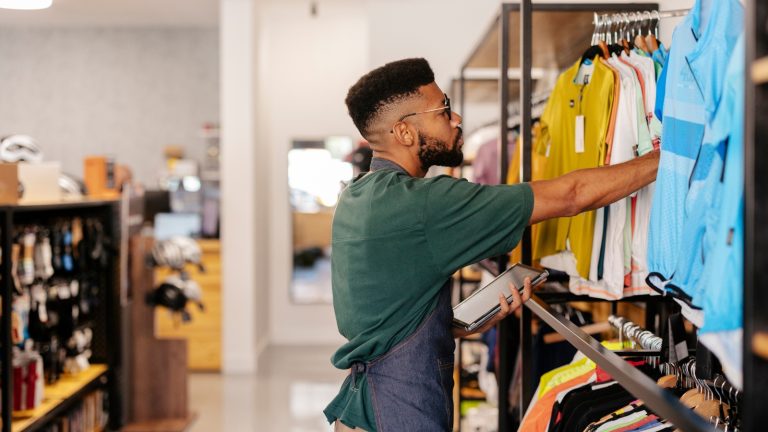
A retailer is a business that sells goods or products directly to consumers. On the supply-chain side, retailers represent the last mile before the customer. Knowing this explanation of the definition retailer provides an effective insight into the working of the global retail industry.
Retail can be classified by form of ownership, size and scale of operation, type of merchandise sold, etc. However, there is a common core to what all types of retailers do.
Retailers first acquire their products in large quantities from suppliers. This links them to the retail supply chain, through which goods flow smoothly from producers into stores.
Second, they manage inventory. Proper stock control minimises waste and enhances profitability.
Third, they are using retail pricing tactics. Some are attempting premium pricing, others are pushing on price.
Key Takeaways
- The types of retailers vary according to format, ownership, and sales channel.
- Knowing what a retailer means also explains their place in the retail supply chain.
- Retailers do more than sell products; they are enablers of economic activity and customers.
- Technology and omnichannel retailing are transforming the way people are shopping in today’s marketplace.
Main Types of Retailers Based on Business Structure
There are many types of retailers based on the store format and their business model. Pricing, product depth, and target customers are, in turn, affected by these retail business types. In such a complex context, having a thorough understanding of the profiles of these types of retailers will enable firms to choose the appropriate operating model.
Department Stores
For those who prefer a more traditional type of retailer, department stores offer various types of merchandise all under one roof. These typically break down into categories like clothing, beauty, electronics, and household.
You will notice that department stores are all about branding and in-store experience. They work in urban areas and shopping malls. One of the quintessential retail store formats, they merge convenience with high levels of service.
Global examples of this type of retailer would be Macy’s and Marks & Spencer. These companies demonstrate that an ordered layout and cross-departmental sales raise revenue.
Supermarkets and Hypermarkets
Hypermarkets are giant one-stop stores (usually >80,000 sq. ft.) superstores, which are supermarkets and department stores combined, selling groceries, electronics, clothes, and furniture, usually located out of town. On the other hand, supermarkets are smaller (usually 20,000–40,000 sq. ft.), concentrating on food and household basics in residential zones for fast, repeated shopping trips.
They gain economies of scale downstream in the retail chain to compete on price. These various varieties of retailers are very reliant on operating efficiency.
Look at the Walmart and Carrefour chains. They are worldwide examples of this type of retailer. Their sizes allow them to have pricing power in the world’s retail market.
Specialty Stores
Specialty stores are limited-line stores that concentrate on selling one type of product. Specialty stores might exclusively sell sportswear, electronics , or beauty items.
Since they focus on special goods, they establish strong brand authority. They rely on them for expertise and advice. These retail business models rely heavily on deep product expertise.
For example, Apple stores and Sephora are good examples of such retailers. Their targeted approach enhances loyalty.
Discount Retailers
Discount retailers are price-focused retailer types that operate on value. Discounters pass along low prices by means of streamlined logistics and uninspired store design.
They have an arsenal of retail pricing tactics to lure the bargain-hungry consumer. The format has flourished in the contemporary retail landscape.
Aldi and Dollar General are among the most high-profile retailers to operate under this model. Their success demonstrates how low-cost leadership can dictate a market.
Convenience Stores
Convenience stores are small retailers found primarily near residential areas. The convenience store’s emphasis is on accessibility and rapid purchase.
They carry the basics such as snacks and drinks, and toiletries. As a convenience store format, they are open long hours.
The best-known retailers in this category are 7-Eleven. These stores thrive by zeroing in on location strategy.
Types of Retailers Based on Ownership Models
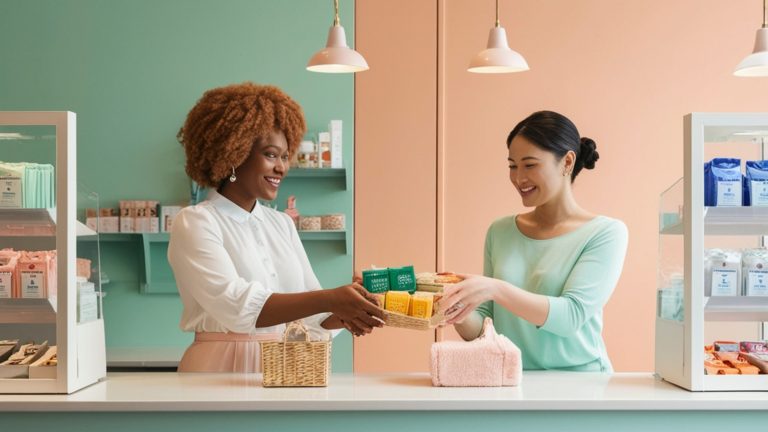
Independent, franchise, chain, and cooperative are the types of retailers that are based on ownership models. The structure of ownership comes as a critical determinant in the ways that types of retailers operate, expand, and compete. These types of retail businesses affect investment capabilities, response time to decisions, and long-term expandability.
Here is a further breakdown of each model of ownership.
- Independent Retailers
Independent retailers are businesses operated outside the umbrella of large chains and corporations, usually curated by individuals or families. The main feature of this model is that they generally run a single store or a limited number of stores.
Since they make decisions themselves, they can react quickly to local market conditions. However, the challenge is that the lack of money and buying power may constrain growth possibilities.
- Franchise Retail Model
The franchise retail model enables entrepreneurs to start and operate their businesses under an established brand name using tested systems. Franchisees pay fees to and share profits with the parent company.
This model decreases start-up risk, gains brand recognition, and receives training support, but has reduced independence of actions.
- Chain Retailers
Chain retailers are a type of retail outlet, multiple under common ownership and management. They apply uniform branding, pricing, and store layouts to ensure an identical customer experience everywhere.
Chain stores enjoy economies of scale and, hence, stronger bargaining power with suppliers. Plus, they are able to reach a larger market.
- Cooperative Retailers
Cooperative retailers are retail businesses owned and operated by joint members, who may be natural persons or other retail cooperatives. Any profits are distributed among the members, and not to external investors.
As you can see, this model supports democratic decision-making, local power, and equitable pricing while enabling competitive retail environments to flourish.
Types of Retailers Based on Sales Channels
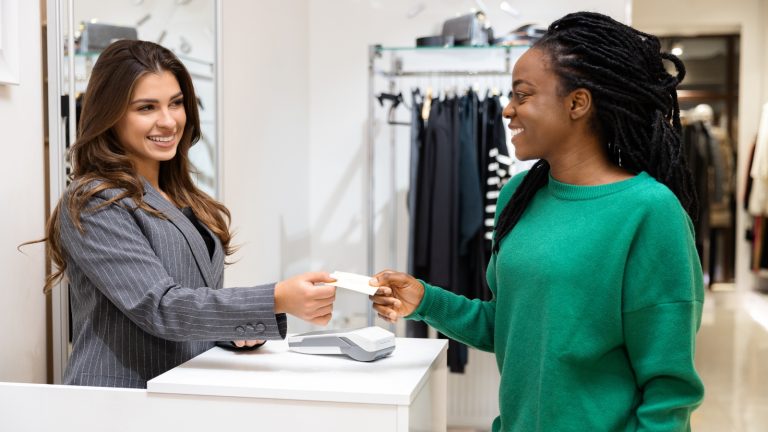
The sales channel determines how the categories of retailers reach out to consumers. As digital transformation moves at a quickening pace, retail store formats continue to rise in variety and technology.
In the section below, we offer you a detailed description of each channel-based category.
- Brick-and-Mortar Retail
Brick-and-mortar retail is the opposite of e-commerce and solely online businesses. These are physical shops that customers can visit.
It affords the chance to meet in person, to see and touch products, and even work with them. With digital transforming every aspect of purchasing and brand exposure, trust is still built in those real-life, brick-and-mortar stores.
- Online Retailers
Online retailers conduct their business using websites and mobile apps only. In this mode,l the customers can browse goods, compare prices, and make a purchase from afar.
Online retailers can grow much faster and go international with fewer geographic limitations since they have lower physical infrastructure costs.
- Omnichannel Retail
Omnichannel retail is where the physical and digital channels are combined for a complete customer journey. The businesses with omnichannel retail provide benefits like online ordering, in-store pick-up, easy returns, and access to promotional offers on the go.
This makes for a more convenient process and ensures brand consistency at each point of contact.
Role of Retailers in the Modern Economy
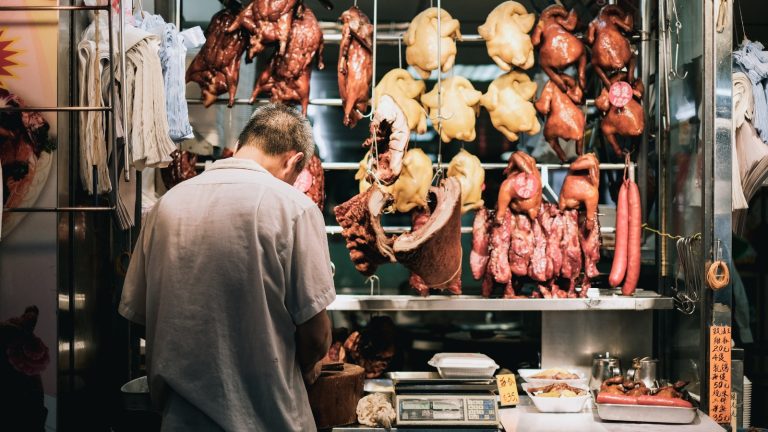
We must agree that modern retailers have a role that goes beyond selling products. If you look into this industry closely, you can see that job creation, tax revenue, and innovation are among the functions of retailers.
It is retail stores that bring employment to the area and generate consumer demand. Their economic footprint in terms of retail also serves to strengthen the national economies.
Retailers also have an impact on branding and buying behaviour. They gather data via technology to forecast trends.
The models of the different types of retailers must continue evolving in the highly competitive retail environment today. Their triumphs will influence supply chains, jobs, and global trade.
By knowing the role of retailers, enterprises can align with market trends and adhere to consumer demands.
Technology and Innovation in Modern Retail
It is crystal clear that technology is also changing the dynamic of how various retailers are doing business, both in stores and online. Retail is fast becoming an industry in which survival depends on innovation as much as mere existence.
- We can see that advanced inventory systems, artificial intelligence, and predictive analytics are helping retailers improve accuracy and cut waste. These types of tools enhance the retail supply chain by enabling a greater degree of forecasting and demand planning. For instance, smart data systems can follow seasonal purchasing trends and automatically adjust inventory.
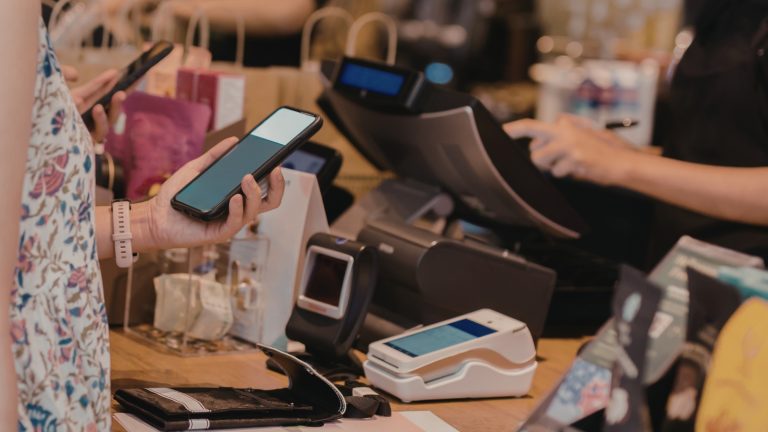
- Another point is that this diminishes overstocking and stockouts. In-store operations are also being revolutionised with digital payment systems and self-checkout counters that speed up and secure transactions.
- Furthermore, businesses also increasingly use automation to optimise warehousing and logistics. At the same time, digital tool sets allow retailers to track internet traffic and conversion ratios online.
- Moreover, retailers can personalise offers and enhance loyalty programmes through studying data. This is where technology helps foster sustainability with improved energy management and the optimisation of packaging. And with customers’ expectations, innovation helps keep retailers nimble and running efficiently. So, it is evident that the use of smart technology in daily activities reflects the extent to which technology infiltrates current retail philosophy.
Challenges and Future Trends in Retail
While there is growth, the different kinds of retailers face big issues in a fast-changing market. Among them, we mainly notice challenges such as economic instability, increasing opex, and supply chain shocks are all being put to the test.
Many businesses have to continually tweak pricing and branding strategies because retail is so cutthroat. Consumer needs are also evolving rapidly.
In such a fast-moving landscape, shoppers expect faster delivery, sourced ethically and seamless across platforms. Retailers will need to adapt to those shifts without sacrificing profit.
In the meantime, sustainability is emerging as a key trend, with many businesses investing in environmentally-friendly packaging and mindful sourcing.
Not to mention that international growth also creates regulatory hurdles and cultural disparities. Meanwhile, smaller firms have to compete with multinationals who enjoy economies of scale.
However, the future remains promising. Growth in digital infrastructure, more efficient logistics networks, and new markets will generate fresh opportunities.
Retailers who innovate and build relationships are well-placed to succeed in local consumer-driven markets. As trends shift, it is flexibility and a customer focus that will dictate which businesses succeed in the next era of retail development.
How TigernixCRM Supports Modern Retail Businesses
With TigernixCRM– the robust Customer Relationship Management System, different retailers can streamline their operations using smart data-based technology. This software platform consolidates customer profiles, monitors sales metrics, and automates follow-ups to increase interaction. For physical retail, it increases in-store insights, and for online retailers, it provides omnichannel digital analytics.
TigernixCRM also allows for visibility into inventory levels across channels, allowing retailers to more effectively execute omnichannel. The software platform maximises productivity and profit surge on the retail floor through improved customer relationship management, forecasting, and reporting.
Call for a free demo today.
Tigernix-Where Business Growth Starts.
Understanding Retail is Key to Business Growth
Understanding different types of retailers helps narrow down the journey products make to consumers and how value is added. All of these models have varying effects on economic activity and employment.
The growing prominence of retailers in digital transformation clearly demonstrates that retail is more than simply selling; it is about innovation, cost effectiveness, and staying close to the consumer in an ever-changing market.
FAQs About Types of Retailers
The main types of retailers include department stores, supermarkets and hypermarkets, specialty stores, discount retailers, and convenience stores. These categories differ in product range, pricing strategy, and store size, but all sell directly to final consumers within the retail industry.
A simple retailer definition is a business that buys goods from suppliers and sells them to customers for personal use. Retailers act as the final step in the retail supply chain, connecting manufacturers to consumers efficiently.
The role of retailers includes creating jobs, supporting suppliers, and driving consumer spending. Their retail economic impact influences national growth and shapes the global retail market through innovation and competition.
Common examples of retailers include Walmart, Aldi, Apple Stores, and 7-Eleven. These businesses represent various retail business types, from large chains to specialised stores serving niche markets.
Brick-and-mortar retail operates through physical stores, while online retailers sell products digitally. Many businesses now adopt omnichannel retail strategies to combine both models and enhance customer convenience.