
Any downtime, delay, or misalignment costs the sector millions in lost business each year. Machines stop. Systems fail. Productivity drops. But what if the majority of these interruptions could be averted? Enter ‘maintenance in business’ as the best solution. It is not just about repairing machines; it is about defending economic performance, preventing revenue losses, and sustaining long-term growth. Did you know that the maintenance, repair, and operations market was $711.44 billion in 2025?
What exactly is maintenance in business? This is the organised method for examining, maintaining, mending, and improving assets to operate without disruption and decrease risks while increasing reliability. Maintenance in business is basically the process of keeping all aspects of a company’s system running and trying to fix things before they become costly and disruptive failures.
In this article, we explore maintenance in business with its definition, benefits, and strategies.
We will discover
- What Is Maintenance in Business? -Definition And Core Concept
- Why Maintenance Is Critical For Modern Businesses
- Types Of Maintenance In Business Operations
- 7 Key Benefits Of Maintenance In Business Strategy
- Maintenance Strategy – How Businesses Develop An Effective Approach
- The Role Of Technology In Modern Maintenance Management
- FAQs About Maintenance in Business
What Is Maintenance in Business? -Definition And Core Concept

At its heart, maintenance in business refers to the organised tasks a business undertakes to maintain the integrity, safety, and value of its properties. These assets can include machinery, buildings, digital systems, vehicles, or infrastructure.
However, the truth is that maintenance is not a substitute for repairs. The difference is that repairs occur after failure, whereas maintenance prevents it.
Contemporary businesses are managing maintenance as an integral part of the asset lifecycle to ensure that their assets perform effectively from acquisition through decommissioning. Instead of following breakdowns, maintenance planning is created to minimise the risk and prolong the life of an asset.
For example:
- In production, maintenance guarantees that a process can work on without sudden breakdowns in machines.
- In facilities management, it serves as an insulator between buildings and HVAC systems.
- In logistics, this ensures that the fleet gets where it needs to be.
Understanding maintenance in business helps business leaders move from being reactive to becoming performance- driven, which leads to an approach where employees and operations are efficiently reliable and delivering long-term value.
Key Takeaways
- Business maintenance is a strategic role in that it sustains assets, enhances performance, and minimises equipment downtime.
- A preventive and predictive maintenance master plan for your industrial business improves cost control and reliability.
- By the use of technology like a maintenance management system or digital tools, planners can make smarter scheduling decisions rather than following gut feeling.
- Businesses that make asset lifecycle management a priority are the ones who ultimately realise significant cost savings, improve compliance and maintain competitive advantages over the long term.
Why Maintenance Is Critical For Modern Businesses

Maintenance is critical for modern businesses as it directly impacts profitability. When assets fail, operations stop.
That can result in lost revenue, safety hazards , and reputational harm.
That is why you need a solid preventative maintenance plan for your business. The latter protects your operation by eliminating unplanned downtime and running all machines as efficiently as possible. The longer an organisation delays maintenance, the greater the potential for unplanned repairs.
Maintenance also supports:
- Stronger risk management
- Regulatory compliance
- Better cost control
- Improved workforce productivity
You will notice that companies that prioritise maintenance can make an unmistakable difference in downtime reduction and enhanced performance optimisation throughout the organisation.
In a competitive environment today, maintenance is not a cost centre. It is a performance enabler.
Types Of Maintenance In Business Operations
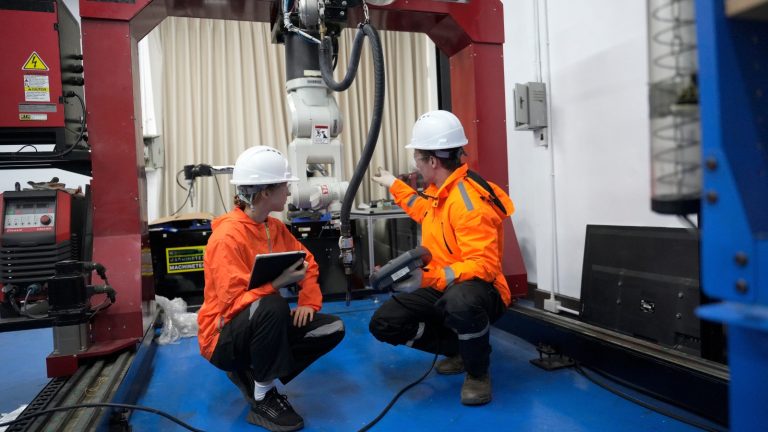
From corrective, preventive, predictive, condition-based, proactive, reliability-centred to emergency, there are several structured methods organisations take great care of resources.
Let’s explore them one by one now.
Corrective Maintenance
When equipment actually fails, that is when the corrective maintenance is carried out. It gets you operating again but leads to unforeseen equipment downtime, increased repairs, and operational interference.
Whilst it is not always possible to avoid, there is a significant risk of reduced reliability and long-term cost management in the overall business maintenance strategy when corrective maintenance implies a majority of repairs.
Preventive Maintenance
Preventive maintenance consists of regular checks and services designed to prevent breakdowns before they happen. It provides better preventive maintenance planning, reduces unscheduled downtime, and increases overall productivity.
When combined with a transparent business maintenance plan, preventive maintenance prolongs an asset’s lifespan and helps maintain stable performance.
Predictive Maintenance
Predictive maintenance applies sensors, analytics, and digital tools in order to observe the condition of assets in real time. By identifying signs in advance, your business gets the chance to avoid costly breakdowns and loss of production.
Predictive maintenance, within Industry 4.0 landscapes, enhances performance optimisation and proactive risk management.
Condition-Based Maintenance
Condition-based maintenance uses asset performance to service them only when it is beneficial. Paired with a maintenance management system, it enhances maintenance planning precision and facilitates better cost control.
In this approach, operational efficiency is traded off with monitoring asset health in order to prevent unnecessary interventions.
Proactive Maintenance
Proactive maintenance targets and removes the sources of failures.
This means that it reduces constant downtime through increased reliability and improved long-term asset lifecycle management. When incorporated into a formal enterprise maintenance program, proactive applications more than pay for themselves with fewer emergency repairs and increased sustainability.
Reliability-Centred Maintenance
Reliability-centered maintenance is a type of maintenance function based on the risk to the critical asset. Further, it combines wary risk management mechanisms to ascertain where we most require to keep our focus.
Backed by maintenance KPIs, this method helps direct resources toward safeguarding high-value systems and increasing overall operational efficiency.
Emergency Maintenance
Emergency maintenance, by definition, takes care of the unexpected and severe failure that needs immediate attention.
Although it is an inevitable part of urgent projects, on the other hand, too much emergency work indicates that the maintenance planning of companies is also weak and that they depend too much on restorative maintenance.
The target is to try to decrease the number of emergencies that may occur with better preventive maintenance and predictive maintenance.
7 Key Benefits Of Maintenance In Business Strategy

Improved operational efficiency, reducing equipment downtime, lowering long-term operational costs, extending asset lifecycle management, workplace safety and compliance, improved resource allocation, productivity, and easily making data-driven decision making are the key seven benefits of maintenance in business.
- Improved Operational Efficiency
A well-defined business maintenance plan better operates assets with predictable asset availability and zero downtime. Planned maintenance alleviates the bottleneck of workflow and maintains performance optimisation.
When maintenance serves business success, production goes according to plan, and it scales across departments.
- Reduced Equipment Downtime
Preventive maintenance, predictive maintenance, and maintenance planning are all part of reducing downtime through active planning of maintenance. By reducing untimely downtime, companies reduce expensive equipment downtime and achieve a higher level of consistency for their customers.
This reinforces dependability and customer satisfaction.
- Lower Long-Term Operational Costs
Committing to structured maintenance leads to better control over costs, as you avoid costly on-the-fly repairs.
Moving away from reactive maintenance towards proactive maintenance reduces overall life cycle costs. This long-term view enhances financial stability and promotes sound dependence on the life cycle of assets.
- Extended Asset Lifecycle Management
A strong servicing ties directly into asset lifecycle management by extending equipment life and postponing the costs associated with having to replace it. With optimised predictive and preventive maintenance plans, your assets perform at their best.
The outcome is driving ROI upward while increasing reliability and minimising unplanned capital expenses.
- Enhanced Workplace Safety And Compliance
Did you know that regular checks raise safety and regulatory standards? Incorporating maintenance into a formal risk management process reduces accidents and legal liability for businesses.
A robust maintenance culture is a shield to protect the workforce, maintain sustained operations, and hold organisation members accountable.
- Better Resource Allocation And Workforce Productivity
Transparent maintenance planning accelerates the scheduling of technicians and boosts productivity in your workforce. Along with the maintenance management system, assigning work is efficient, which reduces the pain of delay.
This organised method maximises labour utilisation while cutting down on needless follow-up and waste of effort.
- Stronger Data-Driven Decision Making
Data insight also aids smarter business-driven maintenance strategy change, and powers performance optimisation drives. Clearer visibility helps decision-making, reliability, budgeting, and planning in the long term.
Maintenance Strategy – How Businesses Develop An Effective Approach

A good maintenance strategy contributes to the business objectives. It links operations, finance, and technology.
Define Risk Priorities Using Risk Management Frameworks
The first step to carrying out a business maintenance plan is determining asset criticality and risk of failure.
With structured risk management systems, companies can determine which assets represent potential risks. This allows for the prioritisation of maintenance resources on the most critical equipment, minimises unplanned downtime, and increases reliability.
Not to say that this strategy transforms maintenance from a reactive cost to a proactive performance enabler.
Set Measurable Maintenance KPIs
Success is the spine of any business maintenance plan. It is common practice for many companies to set maintenance KPI,s including mean time between failures, decreasing downtime, and cutting repair costs.
By following these metrics, it is possible to improve performance, maintain operational efficiency, and take further action for improvement. As you can see, clear KPIs enable maintenance to be directed towards business objectives and help proactive maintenance planning at the same time.
Develop Structured Maintenance Planning Schedules
A structured maintenance planning schedule specifies how and when each asset should be maintained. Likewise, businesses are able to prevent equipment downtime and increase operational efficiency when preventive, predictive, and condition-based maintenance methodologies are integrated.
Plus, elaborate schedules prevent oversights of inspections and should help to maximise the use of the workforce as well as corresponding experiences. Implementing this as part of a business continuity routine will enhance the lifecycle management of assets in the longer term.
Allocate Budgets For Long-Term Asset Lifecycle Management
Sustainability maintenance requires financial planning.
A business maintenance approach is used, budgeting to service, repair, and replace. Investing in asset life cycle management allows assets to function as intended over their useful years, reduces the dependence on emergency corrective maintenance, and helps maintain cost predictability.
Therefore, budgeting strategically makes maintenance an investment rather than just a cost of doing business.
Integrate Digital Systems For Monitoring And Reporting
Today’s industrial companies are improving their maintenance strategy in business with the help of a Maintenance Management System (MMS) Tool and/or strong digital maintenance software. They also monitor asset health in real time and automate reporting.
Integration enhances operational efficiencies, performance optimisation, and proactive decision-making that minimises equipment downtime and ensures successful overall asset lifecycle management results.
The Role Of Technology In Modern Maintenance Management
Technology has turned maintenance into a data-based ecosystem.
All of the scheduling and reporting (and most of the analytics) are then centralised in a maintenance management system. CMMS software is used by a number of companies to simplify processes and record the history of assets.
With digital maintenance, businesses tap sensors and Internet of Things devices to make predictive maintenance possible. It is part of the larger Industry 4.0 trend, where smart factories make use of automation and real-time monitoring.
Sophisticated systems optimise performance, minimise downtime, and optimise lifecycle decisions.
Integrating enterprise and maintenance management platforms delivers overall uptime improvements such as visibility, maintenance KPIs advancement, and concrete downtime reduction.
Maintenance, with technology, transitioned from manual watching to smart predicting.
How Tigernix Asset Predictive Analytics Reduces Maintenance Costs And Downtime
Tigernix offers a robust Asset Predictive Analytics System that can help enhance your business maintenance plan by employing real-time data and advanced analytics to enable predictive maintenance.
Our software even warns at the first sign of a failure so that you can schedule maintenance before it becomes an emergency, thereby preventing unexpected downtime as well as reducing expensive corrective maintenance.
By better planning maintenance and enhancing lifecycle management, Tigernix’s system drives operational excellence, resulting in greater cost control and demonstrable savings from performance optimisation based on data.
Connect with us for a free demo.
Tigernix-Where the Maintenance Perfection Lies.
Why Maintenance Is A Strategic Business Investment
Knowing the true meaning of maintenance in business exposes the strategic potential. It is not just about repairing assets. It is for revenue protection, risk reduction, and operational efficiency.
An effective business maintenance strategy includes preventative, predictive, and planned maintenance as well as digital tools such as a CMMS.
Properly implemented, maintenance will support your entire asset lifecycle enterprise, drive improved risk management and compliance, and create performance that is truly measurable.
When businesses treat upkeep as an investment, not an expense, their long-term resilience and sustainable growth will follow.
FAQs About Maintenance in Business
Maintenance in Business refers to structured activities performed to preserve asset functionality, prevent failures, and reduce risk. It includes inspection, servicing, and repair processes that improve operational efficiency, reduce equipment downtime, and support long-term asset lifecycle management.
Preventive maintenance reduces unexpected breakdowns and lowers reliance on costly corrective maintenance. It improves reliability, strengthens cost control, supports safety compliance, and enables better maintenance planning, resulting in consistent performance and long-term savings.
Predictive maintenance uses sensors, analytics, and digital maintenance systems to monitor asset conditions in real time. By identifying early warning signs, businesses reduce equipment downtime, improve performance optimisation, and enhance overall risk management.
A maintenance management system is software that organises maintenance schedules, asset data, and reporting. Often delivered as CMMS software, it improves visibility, tracks maintenance KPIs, enhances workforce productivity, and supports structured business maintenance strategy execution.